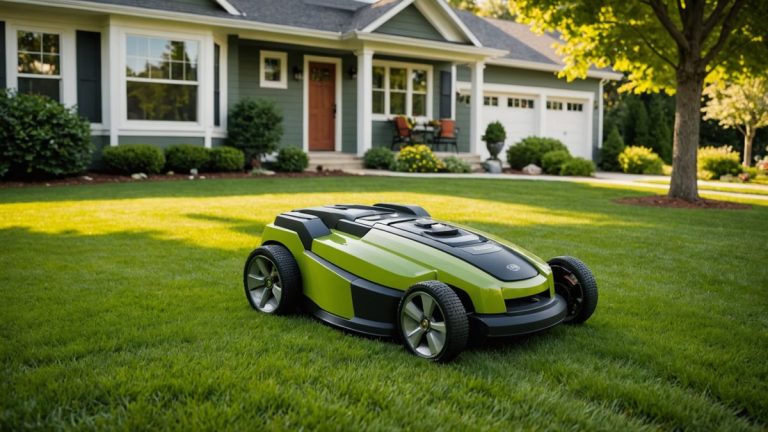
If you’ve made the switch to an electric lawn mower—whether it’s a robotic mower or a cordless push model—you’re already enjoying the perks of quieter operation, lower maintenance, and eco-friendly mowing. But are you accidentally undermining those benefits with outdated habits? Many homeowners treat their autonomous lawn mower or electric push model the same way they did their old gas guzzler, which can lead to wasted time, reduced battery life, or even damage. The good news? A few simple adjustments can help you get the most out of your smart mowing investment while keeping your lawn in top shape.
Ditch the Gas-Powered Mindset: Why Electric Mowers Need Different Care
Electric mowers, especially robot lawn mowers like those from Husqvarna, Worx, or EcoFlow, operate on a completely different principle than gas models. They rely on batteries, motors, and often smart sensors to deliver a precise, efficient cut. Yet, many users fall into the trap of treating them like traditional mowers—overworking the blade, ignoring battery health, or skipping routine checks. The result? Shorter runtime, uneven cuts, and a mower that doesn’t last as long as it should.
For example, pushing an electric mower through thick, wet grass—something you might’ve done with a gas model—can strain the motor and drain the battery faster. Similarly, leaving a robotic mower docked for weeks without a quick inspection can lead to dull blades or clogged undersides, reducing its efficiency. The key is to adapt your habits to the technology, not the other way around.
5 Habits to Drop for a Longer-Lasting Electric Mower
Ready to break free from old routines? Here are the top five things to stop doing if you want your electric mower—whether it’s a robot lawn mower or a cordless push model—to perform at its best.
1. Stop Mowing Without a Plan
Gas mowers often encourage a “just get it done” approach, but electric models—especially autonomous lawn mowers—thrive on strategy. For robotic mowers, this means setting a mowing schedule that aligns with your lawn’s growth rate and weather conditions. Most smart models, like the Husqvarna Automower or the Worx Landroid, allow you to program mowing times via an app. Avoid random, sporadic mowing sessions, which can lead to uneven grass or excessive battery drain.
For cordless push mowers, plan your mowing route to minimize overlap and maximize battery efficiency. Start from the farthest corner of your yard and work your way back to the charging station to avoid unnecessary passes.
2. Stop Ignoring the Battery
Battery health is the lifeblood of any electric mower. Yet, many users plug in their mower after use and forget about it until the next mow. For lithium-ion batteries (the standard in most modern electric mowers), this can lead to reduced capacity over time. Instead:
- Charge regularly, but don’t overcharge: Most robot lawn mowers automatically return to their docking stations to recharge, but if you have a cordless model, unplug it once it’s fully charged to prevent stress on the battery.
- Avoid extreme temperatures: Store your mower in a cool, dry place. Leaving it in direct sunlight or freezing conditions can degrade the battery faster.
- Use the right charger: Always use the manufacturer-provided charger. Third-party chargers may not deliver the correct voltage, which can damage the battery.
3. Stop Skipping Blade Maintenance
A dull blade doesn’t just deliver a poor cut—it forces your mower’s motor to work harder, draining the battery faster and potentially damaging the machine. For robotic mowers, dull blades can also lead to uneven mulching, which defeats the purpose of their precision design. Aim to sharpen or replace your blades at least once per season, or more often if you mow frequently or have tough grass types like Bermuda or Zoysia.
Pro tip: If you’re not comfortable sharpening blades yourself, many lawn care services or hardware stores offer this as a quick, affordable service. Some brands, like EcoFlow, even offer self-sharpening blades as an upgrade.
4. Stop Mowing Wet Grass
Mowing wet grass is a no-no for any mower, but it’s especially problematic for electric models. Wet grass clumps together, clogging the deck and forcing the motor to work overtime. For autonomous lawn mowers, this can lead to the machine getting stuck or shutting off mid-mow. Wet conditions can also increase the risk of electrical shorts in corded models or damage to the battery in cordless ones.
If you must mow after rain, wait until the grass is dry to the touch. For robot lawn mowers, check your model’s weather sensors—many, like the Gardena Sileno, will automatically pause mowing during rain and resume when conditions improve.
5. Stop Neglecting the Undercarriage
Grass clippings, dirt, and debris can build up under your mower’s deck, reducing airflow and causing the motor to overheat. For robotic mowers, a clogged undercarriage can also interfere with the sensors that guide the machine, leading to erratic mowing patterns. After each use, take a few minutes to:
- Turn off the mower and remove the battery (for cordless models).
- Use a brush or scraper to remove debris from the deck and blades.
- Check the wheels and height adjustment mechanisms for stuck grass or dirt.
- For robot lawn mowers, inspect the boundary wires and charging contacts for dirt or corrosion.
A clean mower is an efficient mower—and it’ll save you from costly repairs down the line.
How Robotic Mowers Change the Game
If you’re using a robotic mower, some of these habits may already be a thing of the past. That’s because autonomous lawn mowers are designed to handle much of the maintenance and scheduling for you. For example:
- Automatic scheduling: Models like the Husqvarna Automower 430X or the Worx Landroid M can be programmed to mow at optimal times, ensuring your lawn is always perfectly manicured without you lifting a finger.
- Self-returning and recharging: When the battery runs low, these mowers automatically return to their docking stations to recharge, eliminating the need to manually monitor runtime.
- Smart sensors: Many robot lawn mowers use rain sensors, lift sensors, and collision detection to avoid obstacles and pause during unfavorable conditions.
- Mulching capabilities: Robotic mowers often mulch grass clippings finely, returning nutrients to the soil and reducing the need for fertilization.
That said, even autonomous lawn mowers require some human oversight. Regularly check the boundary wires, clean the blades, and update the mower’s firmware to ensure it operates at peak performance.
What This Means for You
Whether you’re a homeowner with a cordless push mower or a landscaping pro evaluating a fleet of robotic mowers, breaking these five habits can significantly extend the life of your equipment and improve your lawn’s health. For homeowners, it means fewer headaches, lower long-term costs, and a yard that always looks its best. For pros, it translates to more efficient operations, reduced downtime, and happier clients.
If you’ve been on the fence about upgrading to a robot lawn mower, now’s the time to consider it. Brands like Husqvarna, Worx, and Gardena offer models for every budget, from small residential yards to large commercial spaces. And with advancements in smart mowing technology—like GPS navigation, app-controlled settings, and voice assistant integration—these machines are only getting smarter and more capable.
For those already using electric mowers, a few small changes in your routine can make a big difference. Start by addressing the most critical habit (we’re looking at you, battery neglect) and work your way down the list. Your mower—and your lawn—will thank you.
FAQ
How often should I replace the blades on my robotic mower?
For most robotic mowers, blades should be replaced every 2–3 months, depending on usage and grass type. Some models, like the Husqvarna Automower, have blades that last longer due to their self-sharpening design. Always check your manufacturer’s recommendations, as some brands offer extended-life blades as an upgrade.
Can I leave my robotic mower outside in the rain?
Most autonomous lawn mowers are weatherproof to some degree, but it’s best to check your model’s IP rating (e.g., IPX5 or IPX6 for water resistance). While many can handle light rain, heavy downpours or prolonged exposure to moisture can damage the electronics. If your mower doesn’t have a weather sensor, it’s a good idea to manually pause it during storms.
Are robotic mowers worth the investment for small yards?
Absolutely! Robot lawn mowers are ideal for small to medium-sized yards because they save time and effort while maintaining a consistent cut. Models like the Worx Landroid S or the Gardena Sileno City are designed specifically for smaller spaces and offer features like quiet operation and compact docking stations. Over time, the convenience and precision of a robotic mower often justify the upfront cost, especially if you value your weekends.
Source: Original Article

Author: AI Mow
Ai Mow is the editorial team behind Ai Mower News, dedicated to bringing you the latest news, reviews, and insights on robotic lawn mowers and smart gardening technology.