Home Blog Page 66

Autonomous Lawn Mowers: 2026 Buying Guide & Future Trends

Autonomous Lawn Mowers: 2026 Buying Guide & Future Trends

Spring is in the air, and that means it’s time to think about lawn care. But what if you could skip the sweaty weekends pushing a mower and let technology do the work for you? The market for autonomous lawn mowers is booming, offering homeowners a hands-free solution to maintaining a perfectly manicured lawn. Let’s delve into what’s hot in 2026 and where this revolutionary technology is headed.

The Rise of Smart Lawn Care: Features to Watch For

Autonomous lawn mowers have come a long way in just a few years. The core functionality remains the same – autonomously cutting your grass – but the features and capabilities are constantly expanding. One of the biggest advancements we’re seeing is improved obstacle avoidance. Early models struggled with complex gardens, but newer mowers boast sophisticated sensor suites, including ultrasonic sensors, LiDAR, and even AI-powered image recognition. This allows them to navigate around trees, flower beds, and even pets with ease.

Another key feature is connectivity. Most autonomous mowers now connect to your home Wi-Fi network, allowing you to control them remotely via a smartphone app. You can set schedules, define mowing zones, and even receive alerts if the mower encounters a problem. Integration with smart home ecosystems like Google Home and Amazon Alexa is becoming increasingly common, allowing you to start or stop your mower with a simple voice command.

Looking ahead, we anticipate more advanced features like soil moisture sensing and automatic fertilization. Imagine an autonomous mower that not only cuts your grass but also monitors its health and applies fertilizer as needed – that’s the future of smart lawn care.

Key Considerations When Buying an Autonomous Lawn Mower

Choosing the right autonomous lawn mower for your needs requires careful consideration. Here are a few key factors to keep in mind:

  • Lawn Size: Different models are designed for different lawn sizes. Check the manufacturer’s specifications to ensure the mower can handle your yard. For smaller yards (under 1/4 acre), compact models like the Worx Landroid S are a popular choice, typically priced around $900. Larger properties (over 1 acre) may require more powerful models like the Husqvarna Automower 450XH, which can cost upwards of $3,500.
  • Terrain: If your lawn has slopes or uneven terrain, you’ll need a mower with good traction and hill-climbing capabilities. Some models are specifically designed for hilly lawns and feature all-wheel drive.
  • Boundary Wire vs. GPS: Most autonomous mowers use a boundary wire to define the mowing area. This involves burying a wire around the perimeter of your lawn. However, some newer models use GPS technology to navigate, eliminating the need for a boundary wire. GPS-based mowers are generally more expensive but offer greater flexibility and ease of installation.
  • Battery Life: Consider the battery life of the mower and how long it takes to recharge. You’ll want a mower that can complete its mowing cycle without needing to be recharged multiple times.
  • Security Features: Autonomous mowers are expensive pieces of equipment, so security features are important. Look for models with GPS tracking and anti-theft alarms.

Popular Models and Brands in 2026

The autonomous lawn mower market is becoming increasingly competitive, with a wide range of brands and models to choose from. Here are a few of the most popular options in 2026:

  • Husqvarna Automower: Husqvarna is a leader in the autonomous lawn mower market, offering a wide range of models for different lawn sizes and budgets. Their Automower series is known for its reliability, performance, and advanced features.
  • Worx Landroid: Worx Landroid mowers are a popular choice for homeowners looking for an affordable and easy-to-use autonomous mower. They offer a range of models for small to medium-sized lawns.
  • Robomow: Robomow mowers are known for their edge-cutting capabilities, ensuring a clean and precise cut along the perimeter of your lawn. They also offer a range of features, including smartphone app control and obstacle avoidance.
  • John Deere Tango E5: John Deere, a trusted name in lawn care, offers the Tango E5 autonomous mower. This model is designed for smaller yards and is known for its quiet operation and ease of use.

The Future of Autonomous Lawn Care

The future of autonomous lawn care is bright. As technology continues to advance, we can expect to see even more sophisticated and capable autonomous mowers. Integration with smart home ecosystems will become even more seamless, allowing you to control your entire lawn care routine from your smartphone. We also anticipate seeing more specialized mowers designed for specific types of lawns and terrains. For example, there may be autonomous mowers designed specifically for golf courses or sports fields.

Beyond just mowing, we expect to see autonomous systems take on other lawn care tasks, such as weeding, fertilizing, and even pest control. Imagine a future where your lawn is completely maintained by robots, freeing up your time to enjoy your outdoor space. This isn’t just a dream; it’s a rapidly approaching reality. The key now is to stay informed, research your options, and choose the autonomous lawn mower that best suits your needs and lifestyle. The ease and time saved is unmatched, offering homeowners a true revolution in lawn maintenance.

Stay tuned to AI Mower News for the latest in autonomous lawn care technology.
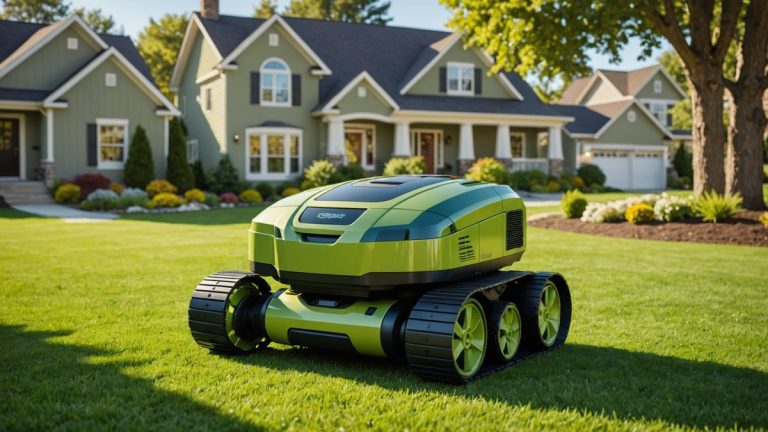
Yarbo: The Multi-Season Modular Yard Robot System is Here!


Tired of switching tools for every yard task? Say hello to Yarbo, the revolutionary modular yard robot poised to redefine lawn care in 2026. This isn’t just a lawn mower; it’s a complete autonomous yard system that adapts to every season, saving you time and effort.

One Robot, Multiple Seasons: Introducing Yarbo’s Modularity

Yarbo’s core strength lies in its modular design. Instead of buying separate machines for mowing, snow blowing, leaf blowing, and even spreading fertilizer, you simply swap out modules on the same robotic base. This intelligent design not only saves space in your garage but also makes yard maintenance more cost-effective in the long run. Imagine the convenience of waking up to a snow-free driveway or a perfectly manicured lawn, all thanks to one versatile robot.

The current module lineup includes:

  • Yarbo Lawn Mower (M1): An autonomous mower with precise cutting capabilities and obstacle avoidance.
  • Yarbo Snow Blower (S1): Powerful enough to clear snow from driveways and walkways, even in heavy snowfall.
  • Yarbo Blower (B1): Efficiently clears leaves and debris from your yard.
  • Yarbo Spreader (S2): Evenly distributes fertilizer, seed, and ice melt for a healthy and well-maintained lawn.

Yarbo utilizes advanced GPS and computer vision for precise navigation and object recognition, ensuring it operates safely and efficiently in your yard. It also integrates seamlessly with smart home systems, allowing you to control and monitor its progress from your smartphone.

Performance and Specifications

While specific performance metrics vary depending on the module, the core Yarbo robot boasts impressive capabilities. The lawn mower module, for example, can handle lawns up to 5 acres with adjustable cutting heights ranging from 1 to 4 inches. The snow blower module can clear paths up to 24 inches wide and 12 inches deep.

Here’s a quick look at some key specifications:

  • Navigation: GPS, Computer Vision
  • Power Source: Rechargeable Lithium-ion Battery
  • Connectivity: Wi-Fi, Bluetooth
  • Smart Home Integration: Compatible with popular platforms like Amazon Alexa and Google Assistant
  • Safety Features: Obstacle Avoidance, Emergency Stop

Yarbo vs. The Competition: Is Modularity the Future?

The modular approach sets Yarbo apart from traditional robotic lawn mowers and single-purpose yard tools. While established brands like Husqvarna and Robomow offer excellent autonomous mowers, they lack the versatility of a multi-season system. Other companies are exploring robotic snow removal, but Yarbo combines multiple functionalities into a single, integrated platform.

The initial cost of the Yarbo system, including the base robot and one module, starts around $3,500. Additional modules range from $1,000 to $2,000 each. While this is a significant investment, the long-term savings on purchasing and maintaining separate machines could make it a worthwhile consideration for homeowners with larger properties.

The Future of Yard Care is Here

Yarbo’s modular yard robot represents a significant leap forward in autonomous yard care technology. By offering a single, versatile platform for multiple tasks, it simplifies yard maintenance and frees up homeowners’ time. As the technology continues to evolve, we can expect to see even more modules and functionalities added to the Yarbo system, further expanding its capabilities and solidifying its position as a leader in the autonomous yard care market. The concept of a fully autonomous yard is no longer a distant dream but a tangible reality.

Stay tuned to AI Mower News for the latest in autonomous lawn care technology.
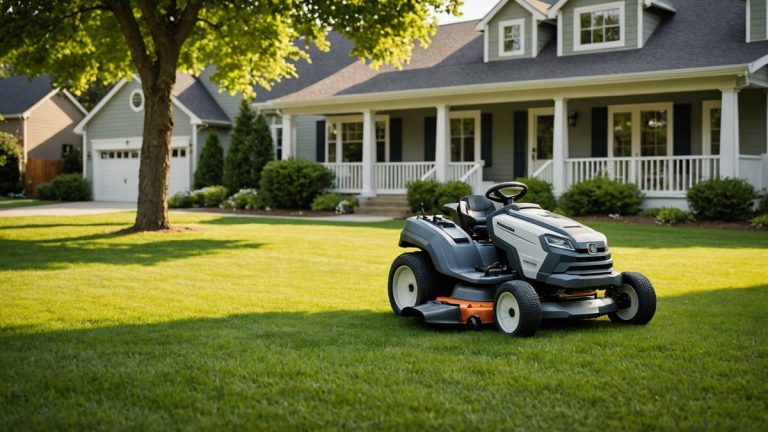

Husqvarna Expands Robotic Mower Lineup: Perfect Model for Your Yard?

Is a perfectly manicured lawn on your wish list, but spending hours pushing a mower isn’t? Husqvarna, a leader in outdoor power equipment, just expanded its robotic mower lineup with three new models designed to make smart mowing accessible to more homeowners. Let’s dive into what these new entry-level robot lawn mowers offer and how they could transform your lawn care routine.

New Husqvarna Robotic Mowers: An Overview

Husqvarna’s latest additions focus on providing reliable, automated lawn care for small to mid-sized gardens. While specific model names and detailed specs weren’t included in the announcement, here’s what we know about the key features and target audience:

  • Designed for Smaller Spaces: These robotic mowers are optimized for yards where maneuverability and efficient coverage are paramount.
  • Entry-Level Pricing: Husqvarna is aiming to make robot lawn mower technology more affordable, opening the door for budget-conscious homeowners to experience the benefits of automated mowing.
  • Core Robotic Mower Features: Expect essential functionalities like automatic charging, scheduling, and potentially smartphone app connectivity for convenient control.

What to Expect in Terms of Technology

Although positioned as entry-level, these robotic mowers will likely incorporate some of Husqvarna’s core technologies for efficient and safe operation:

  • Boundary Wire System: Most likely, these models will utilize a boundary wire to define the mowing area. This tried-and-true method ensures the robot lawn mower stays within the designated zone.
  • Lift & Tilt Sensors: Safety is key. These sensors automatically stop the blades when the mower is lifted or tilted, preventing accidents.
  • Weather Resistance: Designed to withstand typical outdoor conditions, allowing for mowing even in light rain.
  • Cutting System: Utilizing sharp, pivoting blades for a clean and consistent cut. These blades typically offer a mulching effect, returning fine clippings to the lawn as fertilizer.

Benefits of Choosing a Robotic Mower

Switching to a robotic mower offers several advantages. Here’s why homeowners are increasingly embracing smart mowing:

  • Time Savings: Reclaim your weekends! Let the robot lawn mower handle the chore while you relax or focus on other activities.
  • Consistent Lawn Quality: Frequent, automated mowing promotes a healthier, denser lawn.
  • Quiet Operation: Robotic mowers operate at a low noise level, allowing you to run them at any time without disturbing neighbors.
  • Eco-Friendly: Electric-powered robotic mowers produce zero emissions during operation.

What This Means for You

For Homeowners: If you’ve been hesitant to invest in a robotic mower due to budget constraints, these new entry-level options from Husqvarna could be the perfect starting point. They offer a chance to experience the convenience and benefits of automated lawn care without breaking the bank. Keep an eye out for official model releases and detailed specifications to see if one of these mowers is the right fit for your yard.

For Landscaping Pros: While these models are targeted at homeowners, they signal Husqvarna’s commitment to expanding the robotic mower market. This increased adoption can normalize robot lawn mower technology and open up new service opportunities for pros, such as installation, maintenance, and boundary wire adjustments. It’s worth staying informed about these trends to better serve your clients’ evolving needs.

Source: Original Article

Robot Mower Garage: Protect Your Investment with Style

Is your trusty robot lawn mower looking a little forlorn sitting out in the elements? We all know these smart mowing machines are built tough, but constant exposure to sun, rain, and debris can take its toll. Now, there’s a stylish and practical solution to keep your robotic mower protected and looking its best: purpose-built robotic mower garages.

The Rise of the Robot Lawn Mower Garage

While some homeowners might be content with a simple DIY cover, a growing trend is the purpose-built garage. These aren’t your grandpa’s garden sheds. These are designed specifically to house and protect your robotic mower and its charging station. They offer a dedicated space for your robot lawn mower to recharge, shielded from the elements, and often add an aesthetic touch to your yard.

Key Features to Look For

When shopping for a robot lawn mower garage, consider these key features:

  • Weather Protection: The primary function is shielding your robot lawn mower from rain, sun (especially harmful UV rays), and even snow. Look for durable, weather-resistant materials like treated wood or sturdy plastics.
  • Size and Compatibility: Ensure the garage is large enough to accommodate your specific robotic mower model and its charging station. Check the internal dimensions carefully.
  • Ventilation: Proper airflow is crucial to prevent overheating, especially during charging. Look for designs with ventilation openings.
  • Aesthetics: Choose a style that complements your home and landscaping. Options range from rustic wooden designs to modern, minimalist structures.
  • Ease of Access: The garage should allow easy access for maintenance and cleaning of your robotic mower.

Materials and Design

Wooden garages offer a classic, natural look and can be stained or painted to match your outdoor décor. They provide good insulation and protection from the elements. Plastic or composite garages are often more lightweight, require less maintenance, and can be very durable. The design should also consider cable management, ensuring the charging cable is neatly routed and protected.

Installation Considerations

Most robotic mower garages are designed for relatively easy assembly. However, consider the following:

  • Placement: Choose a level, stable surface for the garage. Proximity to a power outlet is essential for the charging station.
  • Anchoring: Depending on your local weather conditions, you may want to anchor the garage to the ground to prevent it from being blown over in strong winds.
  • Accessibility: Ensure the robot lawn mower has a clear path in and out of the garage, free from obstacles.

What This Means for You

For Homeowners: A robot lawn mower garage is an investment in the longevity and appearance of your smart mowing companion. It protects your robotic mower from the elements, extending its lifespan and keeping it looking its best. It also adds a touch of style to your yard, turning a functional necessity into an attractive feature.

For Landscaping Pros: If you’re offering robotic mowing services, a garage can be a selling point, demonstrating your commitment to protecting your clients’ investment. It also provides a professional and organized look for charging stations at client properties.

Ultimately, a robotic mower garage is a practical and stylish addition to any yard equipped with a robot lawn mower, ensuring your smart mowing friend is always ready to tackle the next lawn care task.

Source: Original Article

Mova LiDAX Ultra 3000: Robotic Lawn Care Revolution!

The robotic lawn mower market just got a whole lot more interesting. Mova, previously known for their advanced robotics in warehousing and logistics, has officially entered the autonomous lawn care arena with the unveiling of their LiDAX Ultra 3000. This isn’t just a toe-dip; Mova is diving headfirst with a technologically advanced mower poised to disrupt the current landscape.

LiDAX Ultra 3000: Cutting-Edge Tech Under the Hood

The LiDAX Ultra 3000 boasts a suite of features designed to provide a superior mowing experience. At its heart is, unsurprisingly, a sophisticated LiDAR (Light Detection and Ranging) system – the ‘LiDAX’ in its name. This allows the mower to create a detailed 3D map of your yard, navigating obstacles with incredible precision. Forget about painstakingly laying down boundary wires; the LiDAX system handles it all, offering a truly wire-free experience. This is a significant advantage over many competitors still relying on traditional boundary systems. The LiDAR system also allows it to mow in defined zones, which is a great advantage for people with gardens or other areas they want the mower to avoid.

Beyond the LiDAR, the Ultra 3000 incorporates AI-powered object recognition. This means it can differentiate between a stray soccer ball and a prized rose bush, avoiding collisions and protecting your garden. We were particularly impressed with its ability to identify and avoid small animals, a feature that will be appreciated by pet owners. Mova claims a 99.9% accuracy rate in object recognition, a figure we’re eager to test in our upcoming full review. Other key specifications include:

  • Cutting Width: 24 inches
  • Cutting Height: Adjustable from 1 to 4 inches
  • Battery Life: Up to 4 hours on a single charge
  • Slope Capability: Up to 45% grade
  • Connectivity: Wi-Fi, Bluetooth, 5G
  • Rain Sensor: Yes, automatically returns to charging station
  • Security: GPS tracking, anti-theft alarm

Pricing and Availability: A Premium Offering

The LiDAX Ultra 3000 positions itself firmly in the premium segment of the robotic lawn mower market. With a suggested retail price of $3,499, it’s significantly more expensive than entry-level models, such as the Worx WR147 Landroid or the Husqvarna Automower 315. However, it undercuts the higher-end Robomow RS630, which often goes for over $4,000. Pre-orders are open now on Mova’s website, with shipping expected to begin in late April 2026. Mova is also offering a subscription service for advanced features like enhanced AI object detection and premium customer support, priced at $99 per year.

While the price point might seem steep, Mova is betting that the advanced technology and wire-free convenience will justify the investment for homeowners seeking a truly hands-off lawn care solution. They are offering a payment plan with low interest rates which also makes this mower more affordable.

Competitive Landscape: How Does the LiDAX Ultra 3000 Stack Up?

The robotic lawn mower market is becoming increasingly crowded, with established players like Husqvarna, Robomow, and Worx facing competition from newcomers. The LiDAX Ultra 3000 differentiates itself primarily through its advanced LiDAR-based navigation and AI-powered object recognition. While some competitors offer similar features, Mova’s implementation appears to be particularly robust and user-friendly. The absence of boundary wires is a significant advantage, simplifying installation and making it easier to adjust the mowing area as needed.

However, the Ultra 3000 will face challenges. Husqvarna’s Automower range, for example, has a long track record of reliability and performance, while Robomow is known for its powerful cutting systems. Worx offers more budget-friendly options that appeal to a wider range of consumers. Mova needs to demonstrate that the LiDAX Ultra 3000 can deliver on its promises and provide a tangible improvement over existing solutions.

The Future of Autonomous Lawn Care: Mova’s Vision

Mova’s entry into the robotic lawn mower market signals a broader trend towards increasingly sophisticated and autonomous home robotics. As technology advances and costs decrease, we can expect to see even more advanced features incorporated into these devices, such as real-time weather adaptation, automated fertilization, and even weed detection and removal. The LiDAX Ultra 3000 represents a significant step in this direction, showcasing the potential of AI and robotics to transform the way we care for our lawns.

The company also stated that they are already working on a smaller LiDAX model which will be for smaller lawns. This is great news for people with smaller lawns who want the Mova technology.

Stay tuned to AI Mower News for the latest in autonomous lawn care technology.
Robotic Mowers Thrive in Oklahoma’s Tech-Forward Green Sector


Robotic Mowers Thrive in Oklahoma’s Tech-Forward Green Sector

March 2026 marks a turning point for lawn care in Oklahoma. Despite persistent drought conditions, the state’s lawn and garden sector is experiencing significant growth, fueled by a combination of innovative technology and a growing emphasis on sustainable practices, and robotic lawn mowers are leading the charge.

Oklahoma’s Green Thumbs Embrace Automation

Oklahoma homeowners and businesses are increasingly turning to robotic lawn mowers as a smart solution to combat water scarcity and rising labor costs. These autonomous machines offer precise, efficient grass cutting while minimizing water consumption and eliminating the need for manual labor. The shift towards automation is also driven by growing awareness of environmental responsibility. By using electric-powered robotic mowers, Oklahomans are reducing their carbon footprint and contributing to cleaner air.

“We’ve seen a huge uptick in interest in robotic mowers in the last year,” says local landscaping professional, Sarah Miller. “People are tired of spending their weekends sweating in the sun. They want a beautiful lawn, but they also want to conserve water and be more sustainable. Robotic mowers offer the perfect solution.”

The Tech Behind Oklahoma’s Automated Lawns

Modern robotic lawn mowers are packed with cutting-edge technology, making them a viable option for a wide range of lawn sizes and complexities. GPS navigation, obstacle detection, and smartphone integration are just a few of the features that are attracting Oklahoma residents. For instance, the Husqvarna Automower 450XH, a popular model in Oklahoma, boasts a mowing capacity of up to 1.25 acres, while the Worx Landroid M500 is a more budget-friendly option for smaller yards. Both models are compatible with smartphone apps, allowing users to schedule mowing times, adjust cutting heights, and monitor the mower’s performance remotely.

One key adaptation is the use of longer cutting cycles, but less frequent schedules. This allow the grass to retain more moisture and helps reduce evaporation during the hot summer months. The ability to zone out certain areas of the lawn is also popular, protecting new plantings and drought-sensitive zones.

Sustainability Meets Savings

Beyond convenience, robotic lawn mowers offer significant long-term cost savings. While the initial investment may be higher than a traditional gas-powered mower, the reduced energy consumption, lower maintenance costs, and elimination of labor expenses quickly offset the initial price tag. Furthermore, robotic mowers employ a mulching system that returns finely chopped grass clippings to the lawn, acting as a natural fertilizer and reducing the need for chemical treatments. This further enhances the sustainability of robotic mowing and promotes a healthier, more vibrant lawn.

Considering the average price of a gas-powered mower ($300 – $600) versus a mid-range robotic mower like the Segway Navimow H500E ($1500 – $2000), the long-term savings are significant. The Segway Navimow H500E, for example, uses boundary wire free GPS and smart learning to optimize mowing patterns. Over five years, the cost savings from reduced fuel, maintenance, and fertilizer can be substantial, especially in a state like Oklahoma with its long growing season.

The Future of Lawn Care in Oklahoma

The growth of the lawn and garden sector in Oklahoma, driven by technology and sustainability initiatives, signals a bright future for the industry. As robotic lawn mowers become more affordable and accessible, they are poised to become a staple in Oklahoma households and businesses. Furthermore, the adoption of smart irrigation systems, drought-resistant landscaping, and other eco-friendly practices will further contribute to a more sustainable and resilient lawn care ecosystem. Look for new models of all terrain mowers that can handle rocky or uneven ground, which will be especially helpful in the western part of the state.

The Oklahoma Department of Agriculture is also offering rebates and incentives for homeowners who adopt sustainable lawn care practices, including the purchase of robotic lawn mowers. This further encourages the adoption of these technologies and supports the growth of the green sector in the state.

Stay tuned to AI Mower News for the latest in autonomous lawn care technology.
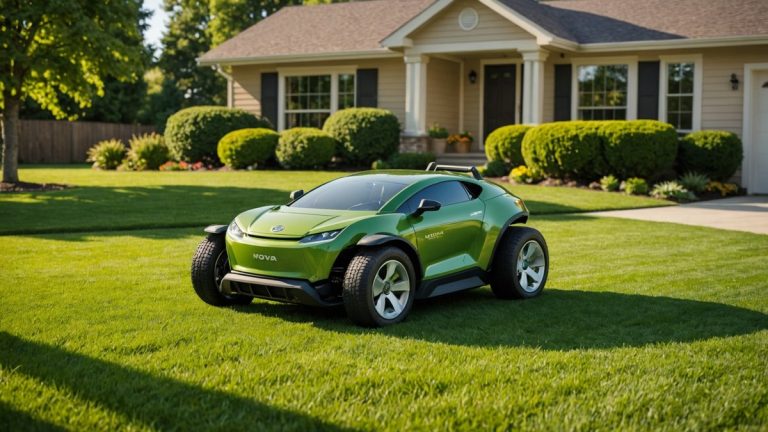

Husqvarna & Gardena Owners: Get Peak Performance with New Blade Packs

Tiny Blades, Big Impact: Aftermarket Options for Your Robot Lawn Mower

Robot lawn mowers are revolutionizing lawn care, offering convenience and precision that traditional mowers simply can’t match. But even the most advanced robot lawn mower relies on a humble component: its blades. These small, often overlooked parts are responsible for the quality of your cut and the overall health of your lawn. While your robotic mower likely came with a set of replacement blades, many owners are now exploring aftermarket options for enhanced performance and value.

## Why Consider Aftermarket Robot Lawn Mower Blades?

The blades on your robot lawn mower endure a tough life. They’re constantly spinning, slicing through grass, and occasionally encountering obstacles like twigs or small stones. Over time, even the best blades will dull or become damaged, leading to a less-than-perfect cut. Replacing your blades regularly is crucial for maintaining a healthy and aesthetically pleasing lawn. Here’s why you might consider venturing beyond the manufacturer’s stock blades:

  • Cost Savings: Aftermarket blades can often be more affordable than OEM (Original Equipment Manufacturer) replacements, allowing you to keep your robot lawn mower running smoothly without breaking the bank.
  • Enhanced Durability: Some aftermarket blades are made from higher-grade materials, offering improved resistance to wear and tear. This can translate to longer blade life and fewer replacements.
  • Specialized Performance: Certain aftermarket blades are designed for specific cutting conditions or grass types. For example, you might find blades optimized for mulching or for providing an extra-clean cut.

## What to Look for in Replacement Blades

With a growing number of aftermarket options available, it’s essential to choose wisely. Here are some key factors to consider when selecting replacement blades for your Husqvarna Automower, Gardena, or other brand of robotic mower:

  • Compatibility: Ensure the blades are specifically designed to fit your robot lawn mower model. Check the product description carefully and compare the blade dimensions to your existing blades.
  • Material: Look for blades made from durable materials like stainless steel or hardened carbon steel. These materials will resist corrosion and maintain their sharpness longer.
  • Blade Thickness: Thicker blades generally offer greater durability and resistance to bending or breaking.
  • Customer Reviews: Read reviews from other robot lawn mower owners to get an idea of the blade’s performance and longevity in real-world conditions.

## A Word of Caution

While aftermarket blades can offer significant benefits, it’s important to exercise caution. Not all blades are created equal, and some may be of inferior quality. Avoid blades that are made from flimsy materials or have poor reviews. Using incompatible or low-quality blades can damage your robot lawn mower or compromise its cutting performance. Always prioritize safety and choose reputable brands.

## What This Means for You

For Homeowners: Exploring aftermarket blade options can be a smart way to save money and potentially improve the performance of your robot lawn mower. By doing your research and selecting high-quality blades, you can ensure a consistently beautiful lawn without overspending. Remember to always prioritize safety and choose blades that are specifically designed for your mower model.

For Landscaping Pros: For professionals managing a fleet of robotic mowers, the cost of replacement blades can add up quickly. Sourcing durable and affordable aftermarket blades can significantly reduce your operating expenses. Consider testing different blade options to find the best balance of performance, longevity, and cost-effectiveness for your specific needs. Smart mowing starts with smart choices about even the smallest parts.

Source: Original Article

AI Mower News: Robot Mop-Vac Combos – Future Lawn Care?

While perfectly striped lawns are the hallmark of any self-respecting homeowner in 2026, the pristine appearance shouldn’t stop at the patio door. Imagine the freedom of robotically maintained floors *and* lawns. Thanks to recent advancements in AI and sensor technology, the possibility of integrating robotic floor cleaning concepts into lawn care is now closer than ever.

The Rise of Multi-Surface Robotics and Lawn Care’s Potential

The robot mop-vacuum market is booming, with manufacturers continuously refining their algorithms and hardware to achieve unparalleled cleaning performance. The New York Times recently highlighted several top performers in this space, showcasing their ability to navigate complex environments, intelligently map floor plans, and deliver sparkling clean results. What if this very same technology could be adapted for outdoor lawn care? Think of it – a robot that not only mows but also tackles weeds, clears debris, and even aerates the soil, all autonomously.

Companies like iRobot (with their Roomba and Braava lines) and SharkNinja (with their Shark IQ Robot series) are already masters of indoor navigation and cleaning. Could their expertise translate to designing robust, all-weather robots capable of handling the unique challenges of lawn maintenance? The challenges are significant. Outdoor environments are far more unpredictable than indoor spaces. Uneven terrain, varying grass heights, unpredictable weather conditions, and the presence of obstacles like rocks, roots, and garden ornaments all pose considerable hurdles.

Obstacles and Opportunities: From Tile to Turf

Adapting robot mop-vac technology for lawn care requires more than just waterproofing and beefing up the motor. Here are some key areas of development:

  • Navigation: Indoor robot vacuums rely heavily on LiDAR and visual sensors. Outdoor robots would need to incorporate additional sensors like GPS, inertial measurement units (IMUs), and potentially even subsurface radar to navigate accurately and avoid obstacles.
  • Surface Adaptation: Mop-vacs are designed for hard floors and low-pile carpets. A lawn care robot needs to handle varying grass types, thicknesses, and moisture levels. This might require adjustable cutting heights, specialized blades, and the ability to switch between mowing, trimming, and edging modes.
  • Debris Management: While a mop-vac primarily deals with dust and small particles, a lawn care robot needs to handle grass clippings, leaves, twigs, and other garden debris. A larger collection bin and a more powerful suction system would be necessary.
  • Power and Durability: Outdoor robots need to be significantly more rugged and weather-resistant than their indoor counterparts. They also need longer battery life to cover larger areas. Expect to see innovations in battery technology and charging solutions to address this challenge.

Current high-end robot mops, such as the Ecovacs Deebot Omni X2, retail for around $1500. A similarly sophisticated lawn care robot, capable of mowing, weeding, and debris removal, could easily command a price of $2500 or more. However, the convenience and time savings could justify the investment for many homeowners.

Potential Designs: Merging Mowing with Cleaning

We envision several possible design approaches for a robot mop-vac-mower hybrid. One approach could involve a modular design, where different attachments can be swapped out depending on the task. For example, a mowing attachment could be replaced with a weeding attachment or a leaf blower attachment. Another approach could involve a more integrated design, where all the necessary tools are built into a single robot. This would require a more complex mechanical system but could potentially offer greater efficiency and versatility. A third path could explore robotic arms attached to the lawnmower, enabling the device to not only mow but also gather debris.

Imagine a robot that can meticulously mow your lawn, then switch to a leaf-blowing mode to clear away any remaining debris. Or picture a robot that uses AI to identify and target weeds, precisely applying herbicide only where needed. The possibilities are endless, and the potential benefits are significant.

The Future of Lawn Care: Beyond Mowing

While the idea of a robot mop-vac-mower may seem futuristic, the underlying technology is already available. As AI, robotics, and sensor technology continue to advance, we expect to see more sophisticated and versatile lawn care robots emerge in the coming years. These robots will not only automate the task of mowing but also perform a wide range of other lawn care tasks, such as weeding, fertilizing, and even disease detection. The lawn will be clean from indoor and outdoor debris.

The convergence of robot mop-vac technology and autonomous lawn mowing is not just a possibility; it’s an inevitability. In the next few years, we predict that we’ll see companies experimenting with new designs and technologies, bringing us closer to a future where lawn care is truly effortless and automated.

Stay tuned to AI Mower News for the latest in autonomous lawn care technology.
PTO Switch Upgrade: Enhance Your Robotic Mower’s Performance


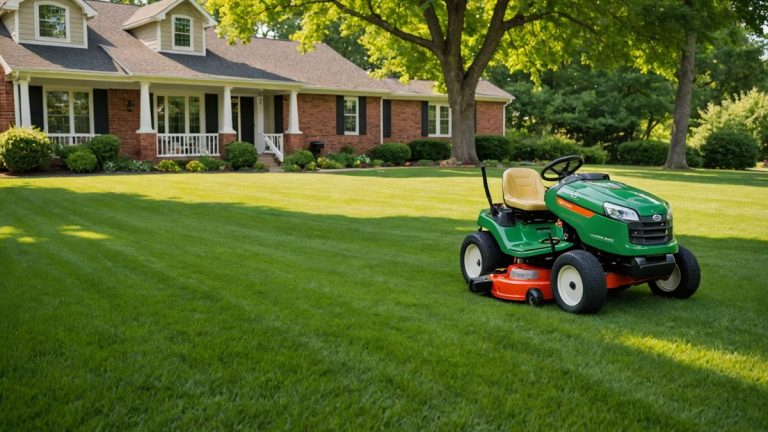
The heart of any robotic lawn Mower lies in its ability to reliably engage and disengage its cutting blades. The Power Take-Off (PTO) switch is the unsung hero responsible for this critical function. Today, we delve into the significance of upgrading your robotic mower’s PTO switch, focusing on the popular 10 AMP upgrade, and explore models like the 539131627, 597520401, and 430-433.

Why Upgrade Your Robotic Mower’s PTO Switch?

A robust PTO switch is essential for maintaining the longevity and performance of your autonomous mower. A standard switch might suffice for lighter usage, but as robotic Mowers become more sophisticated and are used on larger, more demanding lawns, the wear and tear on the PTO switch increases significantly. Upgrading to a 10 AMP switch offers several key advantages:

  • Increased Durability: Higher amperage switches are built to withstand greater electrical loads, reducing the risk of premature failure.
  • Improved Reliability: A stronger switch ensures consistent blade engagement and disengagement, preventing uneven cuts and potential damage to the mower’s motor.
  • Enhanced Performance: By providing a more stable electrical connection, the 10 AMP switch can contribute to smoother overall operation and potentially extend the life of the mower’s battery.

Identifying the Right PTO Switch for Your Mower

Selecting the correct PTO switch is crucial for a successful upgrade. Compatibility is paramount. While models like 539131627, 597520401, and 430-433 are popular choices, it’s vital to verify that they are compatible with your specific robotic mower model. Consult your mower’s user manual or contact the manufacturer directly to confirm compatibility. Key considerations include:

  • Voltage Compatibility: Ensure the switch operates at the correct voltage for your mower’s electrical system (typically 24V or 36V for robotic mowers).
  • Connector Type: The switch’s connectors must match those on your mower’s wiring harness.
  • Physical Dimensions: The switch must physically fit into the designated mounting location on the mower.

In March 2026, many online retailers are offering these 10 AMP switches for between $30 and $60, depending on the specific model and vendor. Always check reviews and ratings before purchasing to ensure you’re getting a quality product.

Installation Tips and Considerations

While replacing a PTO switch is a relatively straightforward task, it’s essential to take precautions. Always disconnect the mower’s battery before beginning any electrical work. Follow these steps for a smooth installation:

  1. Disconnect the Battery: This is the most important safety step.
  2. Remove the Old Switch: Carefully disconnect the wires from the old switch and remove it from its mounting location.
  3. Connect the New Switch: Connect the wires to the new switch, ensuring proper polarity (positive to positive, negative to negative).
  4. Mount the New Switch: Secure the new switch in its mounting location.
  5. Reconnect the Battery: Reconnect the battery and test the mower to ensure the new switch is functioning correctly.

If you’re uncomfortable performing this task yourself, consider contacting a qualified robotic mower technician for assistance. A professional installation will ensure proper functionality and prevent any potential damage to your mower.

The Future of PTO Switches in Robotic Mowers

As robotic lawn mowers continue to evolve, so too will the technology surrounding PTO switches. We anticipate seeing more advanced switches with features such as:

  • Smart Diagnostics: Switches that can monitor their own performance and alert users to potential issues.
  • Adaptive Amperage: Switches that can automatically adjust their amperage based on the load, optimizing performance and extending lifespan.
  • Wireless Control: Switches that can be controlled remotely via a smartphone app.

Investing in a 10 AMP PTO switch upgrade can significantly improve the reliability and longevity of your robotic lawn mower. By ensuring consistent blade engagement and disengagement, this upgrade can help you achieve a perfectly manicured lawn with minimal effort. Moreover, keeping up with the latest advancements in PTO switch technology will undoubtedly lead to even more efficient and reliable autonomous lawn care in the years to come. Consider the PTO switch upgrade as an investment in your Robot mower’s performance and longevity.

Stay tuned to AI Mower News for the latest in autonomous lawn care technology.

Lidl Robot Mower Returns! Grab Yours Early – AI Mower News

Spring is just around the corner, and that means one thing for lawn care enthusiasts: the return of affordable robot lawn mowers! Lidl’s wildly popular robotic mower is making a comeback next week, and AI Mower News is here to give you the inside scoop on how to snag one before they inevitably sell out.

Lidl’s Robotic Mower: A Budget-Friendly Champion

Lidl’s robotic lawn mower, priced at an incredibly accessible £150, is a game-changer for those looking to dip their toes into the world of autonomous lawn care without breaking the bank. While it may not boast all the bells and whistles of premium models like the Husqvarna Automower 450XH or the Worx Landroid Vision, it offers a remarkable value proposition. For smaller lawns and simpler gardens, it provides a convenient and time-saving solution.

Key features to expect from this bargain bot include:

  • Boundary Wire System: Reliably stays within the defined mowing area.
  • Adjustable Cutting Height: Allows customization based on lawn type and preference.
  • Rain Sensor: Automatically returns to the charging station when it starts to rain.
  • Basic App Control: Some models offer basic control and scheduling through a mobile app, although the functionality might be limited compared to higher-end options.

Remember that, at this price point, you’re trading advanced features like GPS navigation, obstacle avoidance, and sophisticated AI for affordability. However, for a simple and effective mowing solution, it’s hard to beat.

Why the Hype? Affordability Meets Automation

The popularity of Lidl’s robotic lawn mower stems from its unbeatable price point. Most robot mowers on the market today command prices ranging from £500 to upwards of £2,000, putting them out of reach for many budget-conscious consumers. Lidl’s offering democratizes the technology, making autonomous lawn care accessible to a wider audience. This has created a frenzy each time it becomes available, with units often selling out within hours.

Compared to manual mowing, even this basic robotic mower offers significant time savings and reduced physical effort. Imagine spending your weekends relaxing instead of pushing a heavy lawn mower around your yard! The convenience alone is worth the investment for many.

Securing Your Lidl Robot Mower: Early Bird Gets the Worm (and the Mower!)

Given the anticipated high demand, securing a Lidl robotic lawn mower requires a strategic approach. Here are our top tips for increasing your chances of success:

  • Check Lidl’s Website and App: Keep a close eye on Lidl’s official website and mobile app for the exact release date and time. Sign up for email alerts to receive notifications directly.
  • Visit Your Local Lidl Store Early: If online ordering isn’t available or you prefer to shop in person, be prepared to arrive at your local Lidl store well before opening time on the release day.
  • Be Prepared to Queue: Expect long queues and potentially limited stock. Patience and a positive attitude are essential.
  • Consider Alternative Options (Just in Case): While the Lidl mower is a great deal, having a backup plan in mind is always a good idea. Research other entry-level robotic mowers from brands like Flymo or McCulloch in case you miss out.

The Future of Budget-Friendly Robot Mowers

The return of Lidl’s robotic lawn mower highlights the growing trend of affordable autonomous lawn care solutions. As technology advances and production costs decrease, we can expect to see even more budget-friendly options entering the market. This will further drive the adoption of robot mowers, making lawn care easier and more accessible for everyone. The key will be finding the right balance between affordability, features, and reliability. We are closely monitoring developments in battery technology and navigation systems to see how these improvements will be incorporated into lower-priced models in the coming years.

Stay tuned to AI Mower News for the latest in autonomous lawn care technology.