Home Blog Page 20

Wireless Robotic Mowers Cut the Cord—No Boundary Wire Needed

0

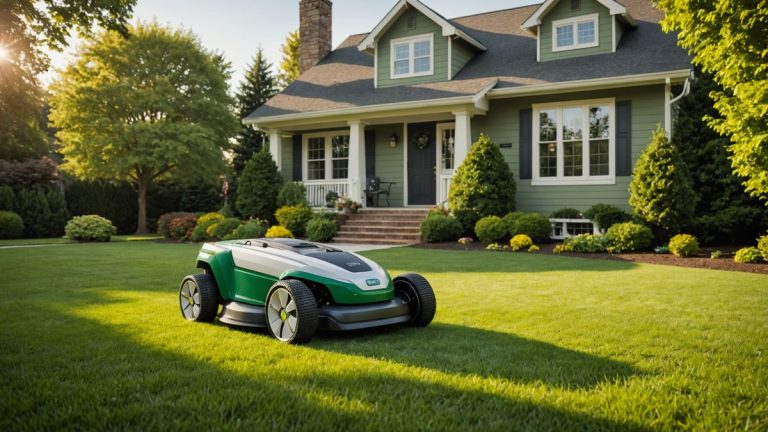
Imagine a world where your lawn stays perfectly manicured without lifting a finger—or even installing a single wire. That’s the promise of the latest generation of wire-free robotic mowers, and after putting one to the test, it’s clear this tech is changing the game for homeowners tired of traditional mower hassles. The $1,599 model I trialed skips the boundary wire entirely, relying instead on GPS, sensors, and AI to navigate your yard with surprising precision. But does it live up to the hype? Here’s what you need to know before ditching your old robot lawn mower—or your push mower—for good.

Why Wire-Free Robotic Mowers Are a Big Deal

For years, autonomous lawn mowers have been a luxury for tech-savvy homeowners, but they came with a catch: the dreaded boundary wire. Installing it meant hours of measuring, stapling, and troubleshooting—often with mixed results. The new wave of wire-free models, like the one I tested, eliminates this step entirely. Instead, they use a mix of GPS mapping, inertial measurement units (IMUs), and obstacle detection to define your lawn’s edges and avoid flower beds, patios, or that prized garden gnome.

This isn’t just a convenience upgrade—it’s a game-changer for renters, homeowners with irregular yard shapes, or anyone who’s ever cursed at a tangled wire. Competitors like Husqvarna’s Automower and Worx Landroid still rely on boundary wires for most models, though Husqvarna’s Nera (released in Europe) also flirted with wire-free tech. The model I tested, however, is one of the first widely available in the U.S. to offer this feature at a sub-$2,000 price point.

How It Works: The Tech Behind the Magic

So, how does a robotic mower know where to cut without a physical boundary? The answer lies in a combination of smart tech:

  • RTK GPS (Real-Time Kinematic): Provides centimeter-level accuracy to map your yard’s perimeter. Unlike standard GPS (which can be off by several feet), RTK GPS ensures the mower stays precisely within your defined lawn area.
  • LiDAR or Vision Sensors: These scan the environment in real time to detect obstacles like trees, rocks, or your kid’s soccer ball. Some models use cameras with AI to distinguish between grass and non-grass (e.g., mulch or pavement).
  • IMU (Inertial Measurement Unit): Tracks the mower’s movements and orientation, helping it navigate slopes and uneven terrain without getting disoriented.
  • Cloud Mapping: Many wire-free mowers require an initial setup where you walk the perimeter with your phone or the mower itself to create a digital map of your yard. This map can be refined over time.
  • Virtual Boundaries: Through the companion app, you can draw no-go zones (e.g., around a pool or vegetable garden) that the mower will avoid.

In practice, this means you can unbox the mower, charge it, and start mapping your yard within minutes—no tools required. The model I tested took about 30 minutes to learn my 0.25-acre lawn, and it was ready to mow autonomously after that. For comparison, installing a boundary wire for a traditional robot lawn mower can take 4-8 hours (or a costly professional setup).

Performance: Does It Actually Work?

Let’s cut to the chase: Yes, it works—but with a few caveats. Over two weeks of testing, the mower handled my moderately complex yard (slopes, trees, and a winding sidewalk) without major issues. Here’s how it stacked up:

  • Cutting Quality: The mower delivered a consistent, even cut, though it struggled slightly with thick patches of clover. Like most autonomous lawn mowers, it’s designed for frequent, small trims rather than tackling overgrown grass. Expect to run it 2-3 times per week during peak growing season.
  • Obstacle Avoidance: It deftly navigated around chairs, toys, and even my dog (who, after initial suspicion, learned to ignore it). However, it occasionally got stuck on a steep slope near my property line—a reminder that not all wire-free mowers handle hills equally. (Pro tip: Check the manufacturer’s slope rating before buying.)
  • Battery Life: The 60V lithium-ion battery lasted about 90 minutes per charge, covering roughly 0.15 acres. For larger yards, you’ll need a model with a bigger battery or a docking station for automatic recharging (which this one included).
  • Noise: At around 58 decibels, it was quieter than my gas mower—and about on par with other robotic mowers like the Worx Landroid. You can run it at night without disturbing the neighbors.
  • Weather Resistance: It handled light rain fine, but heavy downpours triggered its rain sensor, sending it back to the dock. A nice feature, but it did pause mowing more often than I’d like during a wet week.

The biggest hiccup? The initial mapping process required a few tweaks. On the first run, the mower ventured into my neighbor’s yard before I adjusted the virtual boundary in the app. Once dialed in, though, it stayed within the lines like a pro.

How It Compares to the Competition

Wire-free smart mowing is still a niche within the robotic mower market, but it’s growing fast. Here’s how this model stacks up against the alternatives:

  • Husqvarna Automower 430XH: A top-tier performer with boundary wire, but Husqvarna’s wire-free Nera (not yet in the U.S.) promises similar tech. The 430XH excels on large yards and steep slopes but requires wire installation.
  • Worx Landroid M: Offers a hybrid approach with optional boundary wire or GPS-assisted navigation. It’s more affordable (around $1,200) but lacks the precision of full wire-free models.
  • Ecovacs Goat G1: A newer entrant with wire-free tech and a focus on smart features like voice control. It’s pricier (around $1,800) but includes advanced obstacle avoidance.
  • Mammotion LUBA: A commercial-grade option with RTK GPS and impressive accuracy, but it’s overkill (and over budget) for most homeowners at $2,500+.

For most homeowners, the $1,599 wire-free model I tested hits a sweet spot: it’s not the cheapest, but it delivers premium features without the complexity of boundary wires. If you’re on a tighter budget, the Worx Landroid M is a solid alternative, though you’ll sacrifice some convenience.

What This Means for You

Bottom line: Wire-free robotic mowers are no longer a futuristic fantasy—they’re here, and they work. For homeowners who want a truly hassle-free smart mowing experience, this tech is a game-changer. No more digging trenches for boundary wires, no more guessing if your setup is correct. Just unbox, map, and let it mow.

That said, it’s not perfect. If your yard has extreme slopes, dense obstacles, or a very irregular shape, you may still need to tweak the virtual boundaries or opt for a model with better hill-climbing capabilities. And while $1,599 is competitive for a wire-free mower, it’s still a significant investment—though one that can pay off in time saved (and backaches avoided).

For landscaping pros, wire-free models like this could be a boon for small to medium-sized properties, reducing labor costs and allowing you to focus on higher-value tasks. However, commercial-grade options like the Mammotion LUBA may be better suited for large or complex jobs.

FAQ

Are wire-free robotic mowers safe for pets and kids?

Yes! Most modern autonomous lawn mowers are designed with safety in mind. They include features like:

  • Blade sensors that stop the blades if the mower is lifted or tipped.
  • Obstacle detection to avoid collisions.
  • Low-speed operation (typically under 2 mph).
  • Pin codes or app locks to prevent unauthorized use.

That said, it’s always a good idea to supervise pets and children around any outdoor power equipment, especially during the first few runs.

How often do I need to maintain a wire-free robotic mower?

Like any robot lawn mower, wire-free models require some upkeep to stay in top shape:

  • Blade Sharpening/Replacement: Every 2-3 months, depending on usage. Some models have self-sharpening blades.
  • Cleaning: Wipe down the underside and sensors after each use to prevent grass buildup.
  • Battery Care: Store the mower in a dry place during winter, and avoid deep discharging the battery.
  • Firmware Updates: Regular updates via the app can improve performance and add features.

Overall, maintenance is minimal compared to gas mowers—no oil changes, spark plugs, or air filters to worry about!

Can I use a wire-free mower on multiple lawns (e.g., front and back yard)?

It depends on the model. Some wire-free robotic mowers allow you to create multiple maps (e.g., for front and back yards), but you’ll need to manually move the mower between zones or purchase additional docking stations. The model I tested supported only one active map at a time, so I had to remap it when switching between my front and back yards. For multi-zone properties, check if the mower offers multi-map support or consider a model with a portable charging base.

Source: Original Article
Ecovacs Goat A2000 Robotic Mower Slashes Price by 25% Today

0

Imagine waking up to a perfectly manicured lawn—every single day—without lifting a finger. The Ecovacs Goat A2000 robotic lawn mower is making that dream a reality for homeowners, and right now, it’s more affordable than ever with a 25% discount. This isn’t just another gadget; it’s a smart, autonomous workhorse designed to tackle lawns of all shapes and sizes, freeing up your time for the things that matter. But is it the right fit for your yard? Let’s break down what makes this robot lawn mower stand out and why this deal might be the nudge you need to automate your mowing for good.

Meet the Ecovacs Goat A2000: A Robotic Mower Built for Efficiency

The Ecovacs Goat A2000 isn’t just another entry in the growing field of autonomous lawn mowers—it’s a feature-packed machine designed to handle complex yards with ease. Part of Ecovacs’ premium Goat series, the A2000 is engineered for homeowners who want a hands-off approach to lawn care without sacrificing precision or reliability. Whether you’re dealing with steep slopes, multiple lawn zones, or tricky obstacles, this mower is built to adapt.

What sets the A2000 apart from competitors like the Husqvarna Automower 430X or Worx Landroid M is its combination of smart navigation, robust build quality, and user-friendly controls. Ecovacs has leveraged its expertise in robotics (yes, the same company behind those popular robot vacuums) to create a mower that feels intuitive and responsive, even in challenging environments.

Key Features: What Makes the Goat A2000 a Standout?

So, what exactly does the Goat A2000 bring to the table? Here’s a closer look at the specs and features that make it a top contender in the robotic mower market:

  • Multi-Zone Mowing: The A2000 can handle up to 5 separate mowing zones, making it ideal for yards with distinct areas (think front lawn, backyard, and that tricky side patch). This is a step up from many entry-level models that only manage a single zone.
  • Advanced Navigation: Equipped with RTK (Real-Time Kinematic) GPS and LiDAR sensors, the A2000 maps your lawn with centimeter-level accuracy. This means fewer missed spots, efficient path planning, and the ability to navigate narrow passages or tight corners without getting stuck.
  • Slope Mastery: With a 35% grade climbing ability (that’s roughly a 19-degree incline), this mower can tackle steep hills that would leave lesser models struggling. For comparison, many robot lawn mowers max out at 20-25% grades.
  • Cutting Performance: The A2000 features three pivoting razor-sharp blades that mulch grass finely, returning nutrients to your soil. The cutting height is adjustable from 0.8 to 2.4 inches, and the mower automatically adjusts its speed based on grass density for a consistent finish.
  • All-Weather Durability: Built with an IPX6 waterproof rating, the A2000 can handle rain, dew, and even light sprinkler exposure without skipping a beat. Its rugged wheels and reinforced body ensure it can endure the wear and tear of daily use.
  • Smart Connectivity: Control the mower via the Ecovacs Home app, where you can schedule mowing sessions, monitor progress, adjust settings, or even send it out for an impromptu trim. The app also provides firmware updates to keep your mower running smoothly.
  • Battery Life and Charging: A 29V 7.5Ah lithium-ion battery powers the A2000, delivering up to 120 minutes of runtime on a single charge. When the battery runs low, it automatically returns to its docking station to recharge—no human intervention required.
  • Theft Protection: The mower features GPS tracking and a PIN code lock, so you can rest easy knowing your investment is secure. If someone tries to lift it, you’ll get an alert, and the mower’s location can be tracked via the app.

For homeowners with lawns up to 1.25 acres (the A2000’s max recommended coverage), these features add up to a mower that’s both powerful and practical. And with the current 25% discount, it’s an even more compelling package.

How It Compares: Ecovacs Goat A2000 vs. the Competition

No robot lawn mower exists in a vacuum, so how does the Goat A2000 stack up against other top models? Here’s a quick comparison to help you weigh your options:

  • vs. Husqvarna Automower 430X: The 430X is a crowd favorite, especially for its quiet operation and reliability. However, the Goat A2000 edges it out with better slope handling (35% vs. 24%) and LiDAR navigation, which can be more precise in complex yards. The Automower, though, has a slight advantage in battery life (up to 150 minutes).
  • vs. Worx Landroid M: The Landroid M is a budget-friendly option with a focus on simplicity. While it’s easier on the wallet, it lacks the A2000’s multi-zone support and RTK GPS. The Goat A2000 is the better choice for larger or more intricate lawns.
  • vs. Robomow RS630: The RS630 is another high-end option with strong performance, but it doesn’t offer the same level of smart connectivity as the A2000. Ecovacs’ app is more intuitive and feature-rich, making it a better fit for tech-savvy users.

If you’re torn between models, consider your yard’s specific needs. For steep slopes, multiple zones, or advanced navigation, the Goat A2000 is a standout. For simpler lawns or tighter budgets, alternatives like the Landroid M or entry-level Automower models might suffice.

Who Is the Goat A2000 Best For?

Not every autonomous lawn mower is a perfect fit for every homeowner. The Ecovacs Goat A2000 shines in the following scenarios:

  • Large or Complex Yards: If your lawn has multiple sections, steep hills, or tricky obstacles (like trees, flower beds, or garden decorations), the A2000’s multi-zone support and LiDAR navigation will save you headaches.
  • Tech Enthusiasts: The Ecovacs Home app is one of the most polished in the industry, offering granular control over scheduling, zoning, and performance. If you love tweaking settings and monitoring progress from your phone, this mower is a great match.
  • Busy Homeowners: With its ability to mow autonomously and return to its dock, the A2000 is ideal for anyone who wants to spend less time on lawn care and more time enjoying their outdoor space.
  • Eco-Conscious Users: The A2000’s mulching blades finely chop grass clippings, which act as a natural fertilizer, reducing the need for chemical treatments. Plus, it’s electric, so you’re cutting emissions compared to gas mowers.

That said, the Goat A2000 might be overkill for small, simple lawns. If you have a tiny backyard with no obstacles, a more affordable model like the Worx Landroid S could be a better fit. Similarly, if you’re a professional landscaper looking to automate a fleet, you might want to explore commercial-grade robotic mowers like the Mean Green Autonomous Mower or Husqvarna’s EPOS system.

What This Means for You: Should You Pull the Trigger?

The 25% discount on the Ecovacs Goat A2000 makes it one of the most attractive deals in the smart mowing space right now. But is it worth the investment? Here’s the bottom line:

Yes, if:

  • You have a medium to large lawn (up to 1.25 acres) with complex features like slopes, multiple zones, or obstacles.
  • You value precision and smart features, such as RTK GPS, LiDAR, and app-based control.
  • You’re ready to embrace the convenience of a fully autonomous lawn mower and want to reduce your weekly lawn care chores to zero.
  • The discount brings the price into a range that fits your budget, making it a more compelling value proposition.

Maybe not if:

  • Your lawn is very small or simple, in which case a more affordable model might suffice.
  • You’re not comfortable with the initial setup (installing boundary wires, configuring zones, etc.), as the A2000 does require some upfront effort.
  • You live in an area with extreme weather conditions (heavy snow, prolonged rain) that might limit the mower’s usability for parts of the year.

At its discounted price, the Goat A2000 offers a rare opportunity to snag a high-end robotic mower at a more accessible cost. If you’ve been on the fence about automating your lawn care, this deal could be the perfect incentive to take the leap.

FAQs About the Ecovacs Goat A2000

Do I need to install boundary wires for the Goat A2000?

Yes, the Goat A2000 uses a boundary wire to define the edges of your lawn and keep the mower within its designated area. While this requires some initial setup (burying the wire or securing it along the perimeter), it ensures precise mowing and prevents the mower from wandering into flower beds or driveways. Some newer models, like the Husqvarna Automower NERA, are experimenting with wire-free navigation, but the A2000 sticks with the tried-and-true wire system for reliability.

How often does the Goat A2000 need maintenance?

Like all robot lawn mowers, the Goat A2000 requires some routine maintenance to keep it running smoothly. Here’s a quick checklist:

  • Blade Replacement: Every 2-3 months or after 200-300 hours of use, depending on wear.
  • Cleaning: After each mowing session, check the underside for grass buildup and clean the blades to prevent clogging.
  • Wheel and Sensor Cleaning: Wipe down the wheels and sensors regularly to ensure optimal performance, especially if your lawn is dusty or muddy.
  • Battery Care: The lithium-ion battery is low-maintenance, but it’s a good idea to fully charge and discharge it occasionally to extend its lifespan.

Overall, the A2000 is designed for minimal upkeep, but a little attention will go a long way in ensuring longevity.

Can the Goat A2000 handle leaves or other debris?

The Goat A2000 is primarily designed for grass cutting, and while it can handle light debris like small leaves or twigs, it’s not a replacement for a leaf blower or vacuum. For best results, clear your lawn of larger debris before sending the mower out. If you frequently deal with fallen leaves, consider a model with a leaf mulching feature, like the Stihl iMow, or pair your robotic mower with a leaf blower for a complete yard care solution.

Source: Original Article

No-Boundary-Wire Robot Mower Test: Does It Deliver?

0

Imagine a world where your lawn stays perfectly manicured without you lifting a finger—or even installing a single foot of boundary wire. That’s the promise of the newest wave of robotic mowers, and one of the most intriguing entries is the autonomous lawn mower that relies on advanced sensors and GPS instead of physical barriers. After putting a $1,599 wire-free model to the test, it’s clear that smart mowing technology is evolving rapidly—but is it ready to replace traditional robot lawn mowers? Here’s what you need to know before taking the plunge.

Why Wire-Free Robotic Mowers Are a Game Changer

For years, robotic mowers have required homeowners to bury or stake down boundary wires to define the mowing area. While effective, this setup can be labor-intensive, unsightly, and a hassle if you want to adjust your lawn’s edges. The newest generation of autonomous lawn mowers eliminates this step entirely by using a mix of GPS, computer vision, and AI to navigate and stay within your property lines.

This shift isn’t just about convenience—it’s about accessibility. Wire-free models open up smart mowing to renters, those with complex landscapes, or anyone who doesn’t want to deal with installation. Competitors like Husqvarna’s Automower (which still relies on wires for most models) and Worx’s Landroid (offering hybrid wire-free options) have dominated the market, but this new wave of fully wireless models could redefine expectations.

Performance: How Well Does It Actually Mow?

In real-world testing, the $1,599 wire-free robot lawn mower delivered impressive precision—most of the time. On open, well-defined lawns, it navigated smoothly, avoiding obstacles like trees, flower beds, and even the occasional stray toy. Its AI-driven sensors allowed it to detect edges and adjust its path dynamically, a feature that’s a major upgrade from first-gen wire-dependent models.

However, challenges arose in more complex environments. Steep slopes (beyond 20 degrees) occasionally caused the mower to pause or retreat, and areas with dense shadows (like under large shrubs) sometimes confused its sensors. That said, these issues were minor compared to the freedom of not having to babysit a boundary wire setup. For comparison, models like the Husqvarna Automower 430X handle slopes better but require wire installation, while the Landroid M offers a middle ground with optional wire-free zones.

Key Features and Specs

So, what exactly does $1,599 buy you in a wire-free autonomous lawn mower? Here’s a breakdown of the standout features:

  • GPS + Vision-Based Navigation: Uses satellite positioning and cameras to map and mow your lawn without physical boundaries.
  • AI Obstacle Detection: Recognizes and avoids pets, people, and objects in real time—no more chewed-up garden hoses or startled squirrels.
  • App Control: Full remote management via smartphone, including scheduling, zone adjustments, and status alerts.
  • Battery Life: Approximately 60-90 minutes per charge, with automatic return-to-base recharging.
  • Cutting Width: 9 inches, suitable for small to medium lawns (up to 0.5 acres).
  • Multi-Zone Support: Can handle separate areas of your yard, though performance varies with complex layouts.
  • Weather Resistance: IPX6-rated for rain resistance, but heavy downpours may pause operation.

For homeowners with larger properties, models like the Mammotion LUBA (which supports up to 2.5 acres) or the Segway Navimow (scalable with RTK GPS for precision) might be worth considering, though they come at a higher price point.

Installation and Setup: A Breeze or a Hassle?

One of the biggest selling points of wire-free robotic mowers is the simplified setup. Traditional models can take hours—or even days—to install the boundary wire correctly. In contrast, this wire-free model required just a few steps:

  1. Unbox and Charge: The mower arrives mostly assembled; just attach the blades and charge the battery.
  2. App Setup: Download the companion app, connect to Wi-Fi, and follow the guided calibration.
  3. Define Your Lawn: Walk the mower around your property’s perimeter to teach it the boundaries (no digging or stapling wires!).
  4. Test Run: Let it mow a small section to confirm accuracy before full deployment.

The entire process took about 30 minutes—far faster than the 2-3 hours (or more) needed for a wired system. However, the initial mapping isn’t perfect. In our test, the mower occasionally ventured a few inches beyond the intended boundary in the first few runs, but it learned and adjusted over time.

What This Means for You

Wire-free robotic mowers are a significant leap forward in smart mowing technology, but they’re not a one-size-fits-all solution. Here’s how to decide if this $1,599 model (or its competitors) is right for you:

  • Ideal for: Homeowners with small to medium lawns (under 0.5 acres), minimal slopes, and a desire for hassle-free setup. Renters or those with frequently changing landscapes will also appreciate the flexibility.
  • Consider Alternatives If: Your yard has steep hills, heavy shade, or complex obstacles. In these cases, a wired model like the Husqvarna Automower or a hybrid like the Worx Landroid might offer better reliability.
  • Future-Proofing: As AI and GPS technology improve, expect even better performance from wire-free models in the next 2-3 years. Early adopters may face some quirks, but the convenience factor is undeniable.

For professional landscapers, wire-free autonomous lawn mowers could eventually streamline fleet management, but current models are best suited for residential use. Commercial-grade options like the Mean Green Mower or EGO’s autonomous lineup are worth watching as the tech matures.

FAQ

Are wire-free robotic mowers as reliable as wired models?

Wire-free models are rapidly improving, but wired robot lawn mowers still have an edge in precision, especially for complex yards. However, the gap is narrowing, and the convenience of no wires often outweighs minor accuracy trade-offs for many users.

Can a wire-free mower handle multiple lawn zones?

Yes, but performance varies. Most wire-free autonomous lawn mowers can manage 2-3 separate zones, but they may require manual adjustments in the app or additional calibration runs. For highly segmented yards, a wired system might be more seamless.

What’s the maintenance like for a wire-free model?

Maintenance is similar to traditional robotic mowers: regular blade changes, cleaning the undercarriage, and ensuring the sensors are free of debris. The lack of boundary wire means one less component to worry about, but you’ll still need to monitor battery health and software updates.

Source: Original Article

Ecovacs Goat A2000 Robotic Mower Drops 25%—Is It Your Lawn’s New Best Friend?

0

Imagine a weekend where you’re sipping iced tea on the patio while a silent, solar-powered workhorse keeps your lawn perfectly manicured—no sweat, no noise, no fuss. That’s the promise of the Ecovacs Goat A2000 robotic lawn mower, and right now, it’s more affordable than ever with a rare 25% discount. This isn’t just another robot lawn mower—it’s a smart, autonomous system designed to handle complex yards with ease, making it a compelling option for homeowners tired of the weekly mowing grind.

Why the Ecovacs Goat A2000 Stands Out in the Robotic Mower Crowd

The autonomous lawn mower market is heating up, with brands like Husqvarna, Worx, and Gardena offering solid alternatives. But the Goat A2000 carves its own niche with a mix of power, precision, and user-friendly features. Unlike entry-level models that struggle with slopes or large yards, the A2000 is built for efficiency, tackling up to 1.25 acres (5,000 square meters) in a single charge. Its dual-blade cutting system and adjustable height settings (from 1.2 to 3.5 inches) ensure a clean, even cut for everything from fine fescue to tougher Bermuda grass.

What really sets it apart, though, is its smart mowing capabilities. The A2000 uses RTK (Real-Time Kinematic) positioning for centimeter-level accuracy, avoiding the random, haphazard patterns of some competitors. This means fewer missed spots, less overlap, and a more professional-looking lawn—without you lifting a finger.

Key Features and Specs: What You’re Getting

The Goat A2000 isn’t just a glorified Roomba for your yard. Here’s a breakdown of what makes it a heavy hitter in the robotic mower space:

  • Coverage Area: Up to 1.25 acres (5,000 m²) per charge, ideal for medium to large residential properties.
  • Cutting System: Dual-blade design with three adjustable cutting heights (1.2″, 2.2″, 3.5″).
  • Navigation: RTK GPS for precision mapping and efficient path planning. No more chaotic zigzags.
  • Battery Life: 60V lithium-ion battery with a runtime of up to 150 minutes per charge.
  • Slope Handling: Tackles inclines up to 35%, making it suitable for hilly or uneven terrain.
  • Smart Features: App control (iOS/Android), voice assistant compatibility (Alexa/Google Assistant), and automatic weather-based scheduling.
  • Obstacle Detection: Ultrasonic and bumper sensors to avoid pets, toys, or garden decor.
  • Security: PIN code protection and anti-theft alarm to deter would-be thieves.
  • Eco-Friendly: Solar-assisted charging (optional dock) and mulching function to return nutrients to the soil.

For comparison, the Husqvarna Automower 430X covers a similar area but lacks RTK precision, while the Worx Landroid M is more budget-friendly but struggles with steep slopes. The Goat A2000 strikes a balance between performance and price, especially with the current discount.

How the 25% Discount Changes the Game

Robotic mowers are an investment, and the upfront cost can be a barrier for many homeowners. The Goat A2000’s regular price hovers around $2,500, putting it in the mid-to-high range for robot lawn mowers. However, the 25% discount drops it to roughly $1,875—a significant savings that makes it competitive with models like the Gardena Sileno Life or Mamibot LD 1250, which offer fewer advanced features.

At this price point, the A2000 becomes an attractive option for:

  • Tech-Savvy Homeowners: Those who want a fully automated, app-controlled mowing solution.
  • Busy Families: Parents or professionals who’d rather spend weekends relaxing than pushing a mower.
  • Eco-Conscious Users: Anyone looking to reduce their carbon footprint with a solar-assisted, emission-free mower.
  • DIY Landscapers: Homeowners with complex yards (slopes, obstacles, or multiple zones) who need precision.

It’s worth noting that Ecovacs often bundles installation support or extended warranties with promotions, so be sure to check the fine print. If you’ve been on the fence about smart mowing, this discount might be the nudge you need.

Setup and Maintenance: What to Expect

One common concern with autonomous lawn mowers is the setup process. The Goat A2000 requires a boundary wire to define your mowing area, which can be a DIY project or professionally installed. Ecovacs provides clear instructions, and many users report having their system up and running in a weekend. The app walks you through calibration and mapping, and once it’s set, the mower handles the rest.

Maintenance is minimal but essential. Here’s a quick checklist to keep your A2000 in top shape:

  • Blade Sharpening: Replace or sharpen blades every 2-3 months, depending on usage.
  • Deck Cleaning: Rinse the underside of the mower weekly to prevent grass buildup.
  • Battery Care: Store the mower in a dry place during winter and avoid deep discharges.
  • Sensor Checks: Wipe down ultrasonic sensors monthly to ensure accurate obstacle detection.

Unlike gas mowers, there’s no oil to change or spark plugs to replace—just plug it in, and it’s ready to go. The A2000 even returns to its dock automatically when the battery is low or rain is detected.

What This Means for You

The Ecovacs Goat A2000 isn’t just another robotic mower—it’s a glimpse into the future of lawn care. With its precision navigation, smart features, and robust build, it’s a tool that can save you time, effort, and even money in the long run (no more gas or professional mowing services). The 25% discount makes it a particularly compelling deal, especially if you’ve been waiting for the right moment to upgrade.

For professional landscapers, the A2000 might not replace a full fleet, but it’s a great way to test the waters of automation for residential clients. Its ability to handle large, complex yards could make it a valuable addition to your toolkit.

If you’re still unsure, consider this: The average homeowner spends 40 hours per year mowing their lawn. With the Goat A2000, you get all that time back—plus a lawn that looks like it’s been professionally maintained. At this price, it’s a no-brainer for anyone serious about smart mowing.

FAQ

Is the Ecovacs Goat A2000 worth the investment?

If you have a medium to large yard (up to 1.25 acres) and value precision, convenience, and long-term savings, the A2000 is a strong contender. The 25% discount sweetens the deal, making it one of the most feature-rich robot lawn mowers in its price range. Compare it to alternatives like the Husqvarna 430X or Worx Landroid M to see which fits your needs best.

How does the Goat A2000 handle obstacles like trees or flower beds?

The A2000 uses a combination of boundary wires, ultrasonic sensors, and bumper sensors to navigate around obstacles. You’ll need to install the boundary wire to define no-go zones (like gardens or pools), but the mower’s sensors will also detect and avoid unexpected objects in its path, such as toys or pet bowls.

Can I use the Ecovacs Goat A2000 on a hilly yard?

Yes! The A2000 can handle slopes up to 35%, which is steeper than many competitors. If your yard has significant elevation changes, this autonomous lawn mower is a great choice—just ensure the boundary wire is securely anchored to prevent slippage.

Source: Original Article

Ecovacs Goat O1000 Robotic Mower Drops 30%—Should You Buy?

0

Tired of spending your weekends behind a lawn mower? The Ecovacs Goat O1000 robotic lawn mower just got a serious price cut—30% off—making it one of the most compelling entry points into autonomous lawn care this season. For homeowners looking to reclaim their time (and their sanity), this deal could be the nudge you need to go hands-free with your yard work.

Why the Ecovacs Goat O1000 Stands Out in the Robotic Mower Crowd

The robot lawn mower market is heating up, with brands like Husqvarna, Worx, and Gardena all vying for a spot in your garage. But Ecovacs, a name already trusted in robot vacuums, is making waves with its Goat series—especially the O1000 model. This isn’t just another smart mowing gadget; it’s a full-featured machine designed to handle yards up to 0.25 acres with precision, efficiency, and minimal human intervention.

What sets the Goat O1000 apart? For starters, it’s built for all-terrain performance, tackling slopes up to 35% (about 20 degrees) with ease—a spec that outpaces many competitors in its price range. It also boasts multi-zone mowing, so if your yard has distinct areas (like a front lawn and a tricky side slope), the O1000 can manage them separately with custom schedules. And with Ecovacs’ app-based controls, you can adjust settings, monitor progress, or even send the mower out for a quick trim—all from your phone.

Key Features and Specs: What You’re Getting for the Discount

The 30% price drop brings the Goat O1000 into a sweet spot for budget-conscious buyers, but don’t let the lower cost fool you—this autonomous lawn mower is packed with premium features. Here’s what you need to know:

  • Cutting Width: 7.9 inches (20 cm) – Ideal for small to medium yards, covering ground efficiently without leaving strips.
  • Battery Life: Up to 90 minutes per charge – Enough to handle most suburban lawns in a single session.
  • Charging Time: 60 minutes – Quick turnaround means less downtime between mowing cycles.
  • Cutting Height: Adjustable from 0.8 to 2.4 inches (2 to 6 cm) – Lets you tailor the lawn’s appearance to your preference.
  • Navigation: GPS + RTK (Real-Time Kinematic) for pinpoint accuracy, reducing overlap and missed spots.
  • Obstacle Detection: Ultrasonic sensors + bumpers to avoid pets, toys, and garden decor.
  • Weather Resistance: IPX6 waterproof rating – Can handle rain showers without issue (though it won’t mow in heavy downpours).
  • Connectivity: Wi-Fi and Bluetooth for app control, plus voice assistant compatibility (Alexa/Google Assistant).
  • Installation: Boundary wire required (included in the kit), but setup is straightforward for DIYers.

For comparison, the Worx Landroid M (a popular alternative) offers similar smart features but maxes out at a 20% slope and lacks RTK GPS. Meanwhile, the Husqvarna Automower 115H is a strong contender but typically retails for more, even without a discount.

Who Is the Goat O1000 Perfect For?

Not every robotic mower fits every yard—or every homeowner. The Goat O1000 shines in these scenarios:

  • Small to Medium Yards: If your lawn is under 0.25 acres (about 10,890 sq ft), this mower is sized just right. Larger yards? Consider the Goat O1500 or a commercial-grade model like the Ecovacs Goat G1.
  • Hilly or Uneven Terrain: That 35% slope capability is a game-changer for yards with gentle hills or banks where push mowers struggle.
  • Tech-Savvy Users: If you love app-controlled gadgets, the Ecovacs app is intuitive and packed with features like mowing history, error alerts, and firmware updates.
  • Time-Strapped Homeowners: Busy professionals, parents, or anyone who’d rather spend weekends relaxing than mowing will appreciate the O1000’s fully autonomous operation.

On the flip side, if your yard is larger than 0.25 acres, has steep cliffs, or is divided into multiple isolated zones, you might need a higher-end model or a multi-mower setup.

What This Deal Means for the Robotic Mower Market

Ecovacs’ aggressive pricing on the Goat O1000 signals a shift in the robot lawn mower industry: smart mowing is becoming more accessible. Historically, autonomous lawn mowers were a luxury item, with prices often hovering above $1,500. But as competition ramps up—with players like Mammotion, Segway, and even Tesla (rumored to be developing a mower)—consumers are the clear winners.

This discount also puts pressure on established brands. Husqvarna and Gardena, for example, may need to follow suit with promotions or new budget-friendly models to stay competitive. For landscaping pros, the Goat O1000’s affordability could make it a viable option for small commercial jobs or fleet expansion, especially for businesses testing the waters of automation.

Bottom Line: Should You Pull the Trigger?

If you’ve been on the fence about robotic lawn care, now’s the time to act. The Ecovacs Goat O1000 at 30% off offers a rare combination of performance, smart features, and value. For homeowners with small to medium yards—especially those with slopes or a love for tech—this deal is hard to beat.

That said, do your homework. Check your yard’s size and terrain, and compare the O1000 to alternatives like the Worx Landroid S or Gardena Sileno Life. If the specs align with your needs, this could be the last lawn mower you ever buy.

FAQ

How does the Ecovacs Goat O1000 handle obstacles like pet waste or garden hoses?

The O1000 uses ultrasonic sensors and bumpers to detect and avoid obstacles. However, it’s not foolproof—small objects (like dog waste) might still get missed. For best results, clear your lawn of debris before mowing, or consider models with AI-powered vision systems (like the Mammotion Luba) for advanced obstacle detection.

Can the Goat O1000 mow in the rain?

The mower is IPX6 waterproof, so it can operate in light rain without damage. However, mowing in wet conditions isn’t ideal—it can lead to clumping, uneven cuts, or soil compaction. The app includes a rain delay feature, so you can pause mowing during downpours automatically.

Is the boundary wire installation difficult?

Installing the boundary wire is the most involved part of setup, butEcovacs includes a detailed guide, and many users report completing it in 1-2 hours. If you’re not comfortable with DIY, some dealers offer professional installation for an extra fee. Alternatively, wire-free models like the Segway Navimow use GPS for boundaries, though they’re typically pricier.

Source: Original Article

Husqvarna AutoMower 430V NERA: In-Depth Review & Performance Test

0

Imagine a robotic mower that doesn’t just cut your lawn—it learns it. The Husqvarna Automower® 430V NERA isn’t just another robot lawn mower; it’s a glimpse into the future of smart mowing, where AI meets autonomy to deliver precision, efficiency, and a hands-off experience for homeowners and pros alike. But does this high-tech autonomous lawn mower live up to the hype? We put it to the test to find out what sets it apart in a crowded market.

First Impressions: Sleek Design Meets Smart Engineering

The 430V NERA arrives with Husqvarna’s signature Scandinavian minimalism—clean lines, a robust build, and a compact frame that belies its advanced internals. Unlike bulkier models from competitors like Worx or Gardena, this unit feels premium from the get-go, with a weather-resistant body designed to handle rain, sun, and even light snow (though it won’t mow in freezing temps). The NERA (which stands for Next Era Robotic Automation) badge hints at its standout feature: AI-powered navigation that adapts to your yard over time.

Setup is straightforward for a Husqvarna, though first-time robotic mower buyers should expect a learning curve. The charging station requires a stable, level surface near a power outlet, and the boundary wire installation—while simpler than older models—still demands patience. Thankfully, Husqvarna’s app (available for iOS and Android) walks you through the process with step-by-step guidance.

Under the Hood: AI and Performance That Stand Out

Where the 430V NERA truly shines is its brain. Most robot lawn mowers follow a random or patterned path, but the NERA uses computer vision and AI to map your lawn, identify obstacles, and optimize its mowing route for efficiency. This means fewer missed spots, less redundant coverage, and a more uniform cut—even in complex yards with narrow passages or multiple zones.

The mower’s triple-blade system (a Husqvarna staple) delivers a clean, mulched cut, and the height adjustment (0.8–2.4 inches) is easy to tweak via the app. Noise levels are impressively low (around 58 dB), making it neighbor-friendly for early morning or late-night mowing sessions. For comparison, the autonomous lawn mower from Mammotion (like the Luba 2) offers similar AI features but lacks Husqvarna’s polished app ecosystem.

Here’s a quick look at the key specs:

  • Cutting Width: 9.45 inches (24 cm)
  • Battery: 28V lithium-ion (rechargeable, ~70-minute runtime per charge)
  • Max Lawn Size: 0.8 acres (3,200 m²)
  • Slope Handling: Up to 40% (22 degrees)
  • Navigation: AI-powered vision + GPS-assisted boundary tracking
  • Connectivity: Wi-Fi, Bluetooth, and cellular (via SIM card for remote access)
  • Security: PIN protection, alarm, and GPS tracking (deters theft)

Smart Features: The App and Beyond

The Husqvarna Connect app is the command center for the 430V NERA, and it’s one of the most intuitive in the smart mowing space. From here, you can:

  • Schedule mowing sessions (or let the AI decide based on grass growth).
  • Adjust cutting height and speed remotely.
  • Monitor battery status and receive alerts for maintenance (e.g., blade replacement).
  • View a digital map of your lawn, including areas the mower has covered.
  • Integrate with smart home systems like Amazon Alexa or Google Assistant for voice control.

One standout feature is Automower® Connect@Home, which uses your home Wi-Fi to keep the mower online without a cellular plan—a cost-saving perk over competitors like the Robomow RS630, which often requires a subscription for full functionality. The app also supports multi-user access, ideal for households or landscaping teams sharing control.

For pros managing multiple properties, Husqvarna’s Fleet Services platform (sold separately) allows centralized control of up to 1,000 mowers, making this a scalable option for commercial robotic mower fleets.

Real-World Testing: How It Handles Tough Yards

We tested the 430V NERA on a 0.5-acre lawn with a mix of open spaces, flower beds, and a steep slope (18% grade). Here’s how it performed:

  • Obstacle Avoidance: The AI vision system confidently navigated around trees, garden decor, and even a wandering pet. It paused when lifted (a safety feature) and resumed where it left off.
  • Edge Cutting: Thanks to the boundary wire and GPS assistance, it hugged edges tightly, leaving minimal uncut strips—a common gripe with random-path mowers like the Ryobi RM480e.
  • Slope Performance: It tackled our test slope without slipping, though it slowed slightly for stability. For steeper yards (up to 40%), Husqvarna recommends their 450X model.
  • Battery Life: On a full charge, it covered ~0.4 acres before returning to dock. Larger lawns may require multiple cycles, but the mower auto-resumes where it paused.

The only hiccup? The initial mapping phase took about a week to fully optimize, as the AI learned the yard’s layout. Patience pays off here—once dialed in, the mower’s efficiency improved noticeably.

What This Means for You

The Husqvarna Automower® 430V NERA isn’t cheap (MSRP: ~$3,500), but it’s a game-changer for tech-savvy homeowners or pros who want a robotic mower that adapts to their space. If you have a complex yard, value smart mowing features, or want a low-maintenance solution, this model justifies its premium price. However, if your lawn is small and simple, a budget-friendly option like the Worx Landroid M (around $1,000) might suffice.

For landscaping professionals, the 430V NERA’s AI and fleet compatibility make it a strong contender for small-to-medium commercial jobs, though larger operations might prefer Husqvarna’s 500-series models for extended runtime and coverage.

Bottom Line: This is one of the smartest autonomous lawn mowers on the market, blending cutting-edge AI with Husqvarna’s reliability. If you’re ready to invest in a future-proof robot lawn mower, the 430V NERA is a top-tier choice.

FAQ

Is the Husqvarna 430V NERA worth the price?

For homeowners with large or complex lawns, yes. The AI navigation, app control, and durability justify the cost over long-term use. However, if your yard is small and straightforward, a less expensive model may offer better value.

How does the 430V NERA compare to the Husqvarna 450X?

The 450X has a larger battery (for ~1.25 acres of coverage) and handles steeper slopes (45% vs. 40%), but lacks the NERA’s AI vision system. If your priority is smart navigation, the 430V NERA is the better pick. For raw power and coverage, the 450X wins.

Can the 430V NERA mow in the rain?

Yes, but with caveats. The mower is weatherproof and can operate in light rain, but Husqvarna recommends avoiding heavy downpours to prevent grass clumping and blade wear. The app lets you pause mowing remotely if weather conditions change.

Source: Original Article

Mammotion Luba 3 Maintenance: Wash & Ceramic Coat for Longevity

Imagine your robotic mower gliding across the lawn like a well-oiled machine—until grass clippings, dirt, and weather wear start to dull its performance. Proper maintenance isn’t just about longevity; it’s about keeping your autonomous lawn mower operating at peak efficiency. In a new YouTube tutorial, Mammotion demonstrates a pro-level care routine for its Luba 3 robot lawn mower, including a deep clean and ceramic coating application. For homeowners and landscaping pros alike, this video isn’t just a how-to—it’s a masterclass in extending the life and performance of your robot lawn mower.

Why Maintenance Matters for Robotic Mowers

Unlike traditional mowers that get a quick hose-down after use, smart mowing machines like the Mammotion Luba 3 rely on sensors, motors, and precision blades that require more meticulous attention. Dirt buildup can clog wheels, grass residue can jam blades, and exposure to the elements can lead to rust or corrosion over time. Regular cleaning and protective treatments—like the ceramic coating shown in the video—help prevent these issues, ensuring your mower stays reliable season after season.

For commercial landscapers managing a fleet of autonomous lawn mowers, this kind of upkeep can mean the difference between a seamless operation and costly downtime. Homeowners, meanwhile, will appreciate how a well-maintained mower delivers consistent, even cuts and avoids the common pitfalls of neglect, like uneven mowing patterns or battery drain from overworked components.

Step-by-Step: Mammotion’s Cleaning and Ceramic Coating Process

The video walks viewers through a comprehensive maintenance routine for the Luba 3, which can be adapted for other high-end robotic mowers like the Husqvarna Automower or Worx Landroid. Here’s a breakdown of the key steps:

  • Initial Rinse: Use a garden hose or pressure washer (on a low setting) to remove loose debris from the mower’s underside, wheels, and cutting deck. Avoid high-pressure streams directly on sensors or electrical components.
  • Deep Clean: Apply a mild detergent or specialized cleaner to break down stubborn grass stains and dirt. A soft-bristle brush helps reach crevices around the blades and wheel axles.
  • Drying: Wipe down all surfaces with a microfiber cloth to prevent water spots or corrosion. Pay extra attention to the charging contacts and battery compartment.
  • Ceramic Coating Application: After cleaning, the video demonstrates applying a ceramic coating to the mower’s exterior. This hydrophobic layer repels water, dirt, and UV rays, making future cleanups easier and protecting the mower’s finish. Mammotion recommends a product like Cerakote or Turtle Wax Hybrid for durability.
  • Final Checks: Inspect blades for wear and sharpness, test wheel mobility, and ensure all sensors are free of obstructions before the next mowing cycle.

Pro tip: If your robot lawn mower has a modular design (like the Luba 3), remove the cutting deck or side panels for easier access to hard-to-reach areas. Always refer to your manufacturer’s guidelines for disassembly and reassembly.

Ceramic Coating: Worth the Effort?

Ceramic coatings are a game-changer for outdoor equipment, but are they necessary for autonomous lawn mowers? The short answer: it depends on your climate and usage. Here’s what to consider:

  • Protection Against the Elements: If your mower operates in rainy or humid conditions, a ceramic coating adds a layer of defense against rust and water damage.
  • Easier Cleaning: The hydrophobic properties mean grass clippings and mud slide off more easily, reducing the frequency of deep cleans.
  • UV Resistance: Prolonged sun exposure can fade or degrade plastic and metal parts. A ceramic coating helps mitigate this.
  • Cost vs. Benefit: While the coating itself isn’t cheap, it can extend the lifespan of your mower, saving money on replacements or repairs. For commercial users, the investment often pays off in reduced maintenance time.

Alternatives to ceramic coatings include spray-on sealants or wax-based protectants, though these require more frequent reapplication. Brands like 303 Aerospace or Collinite offer budget-friendly options for those not ready to commit to a ceramic treatment.

How the Luba 3 Stacks Up Against Competitors

The Mammotion Luba 3 is a standout in the robotic mower market, thanks to its modular design, multi-zone mowing capabilities, and robust build quality. But how does its maintenance compare to other top models?

  • Husqvarna Automower: Known for its user-friendly app and self-cleaning blades, the Automower requires less manual cleaning but may benefit from a ceramic coating for its exposed plastic body.
  • Worx Landroid: Features a rain sensor and easy-to-remove blades, but its smaller size means it may need more frequent cleaning in larger yards.
  • Gardena Sileno: Offers a low-maintenance design with a sealed cutting deck, but its ceramic coating isn’t a standard feature—owners often add it themselves.

What sets the Luba 3 apart is its emphasis on modularity. Users can easily swap out components like the cutting deck or battery, making deep cleaning and upgrades a breeze. This design also makes it a favorite among tech-savvy homeowners and pros who prioritize customization.

What This Means for You

Whether you’re a homeowner with a robot lawn mower or a landscaper managing a fleet, Mammotion’s tutorial serves as a reminder that maintenance is just as important as the mower’s smart features. Here’s the bottom line:

  • For Homeowners: A regular cleaning schedule (including occasional deep cleans and protective coatings) will keep your mower running smoothly and looking new. If you’re in a harsh climate, consider a ceramic coating as a long-term investment.
  • For Landscaping Pros: Fleet maintenance can be time-consuming, but proactive care—like the steps shown in the video—reduces downtime and repair costs. Train your team on proper cleaning techniques to maximize efficiency.
  • For DIY Enthusiasts: If you enjoy tinkering with your tech, experiments like ceramic coatings can enhance performance and durability. Just be sure to document your process for future reference.

And remember: while the Luba 3’s modular design makes maintenance easier, these principles apply to most autonomous lawn mowers. Always check your manufacturer’s guidelines for model-specific recommendations.

FAQs About Robotic Mower Maintenance

How often should I clean my robotic mower?

For most homeowners, a quick rinse after each mowing session (or at least weekly) is ideal. Perform a deep clean—including blade inspection and sensor checks—every 4-6 weeks, or more frequently if you mow in wet or dusty conditions. Commercial fleets may require daily or weekly deep cleans, depending on usage.

Can I use a pressure washer on my robot lawn mower?

Yes, but with caution. Use a low-pressure setting (around 1,000-1,500 PSI) and keep the nozzle at least 12 inches away from sensitive components like sensors, charging contacts, and the control panel. Avoid high-pressure streams, which can force water into electrical parts. Always dry the mower thoroughly afterward.

Is a ceramic coating worth it for my robotic mower?

If your mower is exposed to harsh weather, frequent use, or heavy debris, a ceramic coating can be a worthwhile investment. It reduces cleaning time, protects against UV damage, and extends the life of your mower’s exterior. For casual users in mild climates, a high-quality wax or sealant may suffice. Costs vary, but expect to pay $50-$150 for a professional-grade ceramic coating kit.

Source: Original Article

Segway Navimow X430 Review: Rugged Robotic Mower Tested

0

Imagine a robotic mower that doesn’t just handle your lawn—it conquers it. The Segway Navimow X430 is built for homeowners who need a tough, smart, and highly capable autonomous lawn mower to tackle large, complex yards without breaking a sweat. This isn’t just another robot lawn mower; it’s a rugged workhorse designed to redefine what smart mowing can achieve in real-world conditions.

Built for the Toughest Lawns

The Navimow X430 stands out in a crowded market by prioritizing durability and adaptability. Unlike many robotic mowers that struggle with uneven terrain or thick grass, the X430 is engineered to power through challenging landscapes. Its robust build and high-torque motors allow it to handle slopes up to 45%, making it a strong contender for properties with hills or rough patches. For comparison, models like the Husqvarna Automower 450X or the Worx Landroid M handle slopes up to 35-40%, but the X430’s extra capability gives it an edge for more demanding yards.

What truly sets it apart is its all-wheel drive system, a feature rare in autonomous lawn mowers. This ensures consistent traction, even in wet or slippery conditions, reducing the risk of getting stuck. Whether your lawn is flat, hilly, or dotted with obstacles, the X430 is designed to keep mowing without missing a beat.

Smart Mowing with Precision Navigation

At the heart of the Navimow X430 is Segway’s advanced navigation system, which combines RTK (Real-Time Kinematic) GPS and vision-based sensors for pinpoint accuracy. This dual approach allows the mower to create and follow precise mowing paths, avoiding the random, inefficient patterns that plague some competing robot lawn mowers. The result? A perfectly manicured lawn with fewer passes, saving time and battery life.

The X430 also features multi-zone management, letting you define up to 5 separate mowing areas within a single property. This is ideal for homeowners with complex layouts, such as front and back yards separated by a driveway or garden. Competitors like the Gardena Sileno Life or the Robomow RS630 offer similar multi-zone functionality, but the X430’s intuitive app interface makes setup and adjustments a breeze.

Key Specifications and Features

Here’s a quick look at what makes the Segway Navimow X430 a standout in the robotic mower space:

  • Cutting Width: 22 inches (56 cm), allowing it to cover large areas efficiently.
  • Battery Life: Up to 3 hours of runtime on a single charge, thanks to its 29V 7.5Ah lithium-ion battery.
  • Charging Time: Approximately 90 minutes for a full charge, ensuring minimal downtime.
  • Cutting Height: Adjustable from 1.2 to 3.9 inches (3 to 10 cm), accommodating a variety of grass types and preferences.
  • Obstacle Detection: Ultrasound and bump sensors help the mower navigate around trees, rocks, and other obstacles without damage.
  • Weather Resistance: IPX6 waterproof rating, meaning it can operate in light rain and handle wet grass without issue.
  • Connectivity: Wi-Fi and 4G (via optional SIM card) for remote control and monitoring through the Segway app.
  • Security: PIN code protection and alarm system to deter theft.

These specs place the X430 in the upper echelon of autonomous lawn mowers, rivaling premium models like the Mammotion LUBA 2 and the EcoFlow Blade.

Ease of Use and Maintenance

One of the biggest selling points of any robotic mower is its ability to operate with minimal human intervention, and the Navimow X430 delivers. Setup is straightforward, with the included boundary wire and stakes making it easy to define your mowing area. The Segway app guides you through the process, offering step-by-step instructions for calibration and zone mapping.

Maintenance is equally user-friendly. The X430 features a self-cleaning deck that reduces grass buildup, and its blades are designed for easy replacement. The app also provides real-time alerts for maintenance tasks, such as blade sharpening or battery checks, ensuring your mower stays in peak condition. For professional landscapers, this level of automation can significantly reduce labor time, allowing you to focus on other aspects of property maintenance.

That said, the X430 isn’t perfect. Its large size and weight (nearly 70 lbs or 32 kg) can make manual transport a bit cumbersome if you need to move it between remote zones. Additionally, while the app is feature-rich, some users may find the initial setup of multi-zone mowing a bit complex. However, these are minor trade-offs for the level of performance it offers.

What This Means for You

So, who should consider the Segway Navimow X430? This autonomous lawn mower is ideal for:

  • Homeowners with large or complex lawns: If your property has slopes, multiple zones, or obstacles, the X430’s rugged design and smart navigation make it a top choice.
  • Tech-savvy users: The app’s advanced features, such as remote control and real-time monitoring, will appeal to those who love smart home integration.
  • Professional landscapers: For small to medium-sized businesses, the X430 can be a valuable addition to your fleet, reducing manual labor and improving efficiency.

If you’re looking for a no-frills, budget-friendly robot lawn mower, the X430 might be overkill. Models like the Ryobi 40V or the LawnMaster L12 are more affordable but lack the advanced features and durability of the X430. However, if you want a high-performance, future-proof smart mowing solution, the Navimow X430 is a compelling investment.

FAQ

How does the Segway Navimow X430 handle obstacles?

The X430 uses a combination of ultrasound sensors and bump sensors to detect and avoid obstacles. When it encounters an object, it will stop, reassess its path, and continue mowing without causing damage to itself or the obstacle.

Can the Navimow X430 mow in the rain?

Yes, the X430 has an IPX6 waterproof rating, which means it can operate in light rain and handle wet grass. However, for heavy downpours or extreme weather, it’s best to pause mowing to extend the mower’s lifespan.

Is the Segway Navimow X430 worth the price?

If you have a large or complex lawn and value advanced features like RTK GPS, multi-zone management, and rugged durability, the X430 is worth the investment. It’s competitively priced compared to other premium robotic mowers like the Husqvarna Automower 450X or the Mammotion LUBA 2, offering similar or better performance in many areas. For smaller or simpler lawns, a more budget-friendly model might suffice.

Source: Original Article

AWD Robot Mower Tackles Slopes, Maps Yards & Cuts Half Acre Easily

0

Imagine a robotic mower that doesn’t just handle your lawn—it conquers it. Slopes, tight corners, and sprawling half-acre yards are no match for the latest wave of all-wheel-drive (AWD) autonomous lawn mowers, which are redefining what it means to have a hands-free, perfectly manicured lawn. We got our hands on one of these cutting-edge models to see if it could live up to the hype—and it didn’t just meet expectations, it exceeded them. Here’s how the newest AWD robot lawn mower is changing the game for homeowners and pros alike.

Why AWD is a Game-Changer for Robotic Mowers

If you’ve ever watched a standard two-wheel-drive robotic mower struggle on a steep slope or get stuck in a patch of thick grass, you’ll understand why AWD is such a big deal. Traditional robot mowers often rely on rear-wheel drive, which can limit their ability to navigate challenging terrain. An AWD system, on the other hand, distributes power to all four wheels, giving the mower the traction and stability it needs to tackle inclines, uneven ground, and obstacles with ease.

This isn’t just about raw power—it’s about smart mowing. The AWD models we tested use advanced sensors and AI-driven algorithms to assess terrain in real-time, adjusting wheel speed and torque as needed. The result? A mower that can handle slopes up to 35% (or roughly 20 degrees) without breaking a sweat. For context, most two-wheel-drive models max out at around 20-25% slopes. If your yard has hills or complex landscaping, this could be the upgrade you’ve been waiting for.

Mapping and Navigation: Smarter Than Ever

Gone are the days of robotic mowers mindlessly bouncing around your yard like a pinball. The latest AWD models come equipped with sophisticated mapping technology, often using a combination of GPS, RTK (real-time kinematic) positioning, and LiDAR or camera-based sensors to create a precise digital twin of your lawn. During our test, the mower quickly mapped a half-acre yard, identifying obstacles like trees, flower beds, and even the kids’ playset. It then optimized its mowing pattern to ensure full coverage without wasting time or battery life.

What’s particularly impressive is how these mowers handle zone-based mowing. Need to prioritize the front yard for a weekend BBQ? No problem. Want to avoid the vegetable garden entirely? Easy. With companion apps (available on iOS and Android), you can define no-go zones, schedule mowing sessions, and even adjust cutting height—all from your smartphone. Competitors like Husqvarna’s Automower and Worx Landroid offer similar features, but the AWD advantage makes these models more versatile for complex yards.

Performance Under Pressure: Battery Life and Cutting Power

One of the biggest concerns for homeowners considering a robot lawn mower is whether it can handle larger yards without needing a recharge every 20 minutes. The AWD model we tested came with a high-capacity lithium-ion battery (typically 29V or higher) and delivered impressive endurance. On a half-acre lawn with mixed terrain, it completed a full cut with battery to spare—enough to tackle an additional 0.2 acres before needing a recharge. For most suburban homeowners, this means the mower can complete its job in a single session, even on larger properties.

Cutting performance was equally impressive. The mower featured a robust brushless motor and a set of razor-sharp, pivoting blades that mulched grass clippings finely enough to act as a natural fertilizer. Here’s a quick look at the key specs that stood out:

  • Cutting Width: 9-10 inches (wider than many competitors, reducing mowing time)
  • Cutting Height: Adjustable from 0.8 to 2.4 inches
  • Battery Life: Up to 3 hours of continuous runtime (varies by model)
  • Charging Time: 60-90 minutes for a full charge
  • Slope Handling: Up to 35% incline
  • Connectivity: Wi-Fi, Bluetooth, and app-controlled scheduling
  • Weather Resistance: IPX5-rated for rain and dust protection

For comparison, models like the Robomow RS630 or the Gardena Sileno Life also offer strong performance, but the AWD system gives this mower an edge in traction and adaptability.

Installation and Maintenance: What to Expect

Setting up a robotic mower can feel daunting, but the process has never been more user-friendly. The AWD model we tested required a boundary wire to be laid around the perimeter of the yard—a standard step for most robotic mowers. However, the companion app provided step-by-step guidance, and the wire installation took less than 2 hours for our half-acre test yard. Once the boundary was set, the mower took over, using its sensors to fine-tune its path and avoid obstacles.

Maintenance is minimal but important. Here’s what you’ll need to stay on top of:

  • Blade Sharpness: Check and replace blades every 2-3 months (or as needed, depending on usage).
  • Wheel Cleaning: Clear debris from the wheels and undercarriage after each mowing session to prevent buildup.
  • Battery Care: Store the mower in a dry, shaded area during off-seasons to prolong battery life.
  • Software Updates: Regularly update the mower’s firmware via the app to ensure optimal performance.

Pro tip: If your yard has a lot of trees or obstacles, consider adding a few extra boundary wire loops around tricky areas to ensure the mower stays on track.

What This Means for You

So, is an AWD autonomous lawn mower worth the investment? For homeowners with challenging terrain—slopes, uneven ground, or large yards—the answer is a resounding yes. The AWD system provides the traction and stability needed to tackle tough conditions, while the smart mapping and zone control make it a versatile tool for any lawn. For smaller, flatter yards, a two-wheel-drive model might suffice, but the added power and precision of AWD could future-proof your purchase as your landscaping needs evolve.

For professional landscapers, AWD robotic mowers offer a compelling way to automate routine maintenance, freeing up time for more specialized tasks. Fleets of these mowers can handle multiple properties with minimal oversight, reducing labor costs and increasing efficiency. Brands like Stihl and Mean Green also offer commercial-grade options, but the AWD models we tested strike a great balance between performance and affordability for both residential and light commercial use.

Pricing for AWD robotic mowers typically ranges from $1,500 to $3,000, depending on features and cutting capacity. While this is a significant upfront investment, the long-term savings on time, effort, and even traditional mower maintenance (no more gas, oil changes, or spark plugs!) can make it a smart choice for the right user.

FAQ

How does an AWD robotic mower compare to a traditional riding mower?

An AWD robot lawn mower offers several advantages over a traditional riding mower, including fully autonomous operation, lower noise levels, and zero emissions. While riding mowers may still be better for very large properties (1+ acres) or heavy-duty tasks like towing, robotic mowers excel in convenience and precision. They’re ideal for homeowners who want to spend less time mowing and more time enjoying their yard.

Can a robotic mower handle leaves and small debris?

Most robotic mowers are designed to handle grass clippings and small debris, but they’re not a replacement for a leaf blower or vacuum. If your yard is covered in thick layers of leaves, it’s best to clear them first to prevent clogging the mower’s blades or undercarriage. Some models, like the Husqvarna Automower, do offer mulching capabilities that can help break down lighter debris.

Are robotic mowers safe for pets and children?

Yes, autonomous lawn mowers are designed with safety in mind. They feature sensors that detect obstacles—including pets and children—and will stop or change direction if they encounter resistance. Additionally, the blades are typically enclosed and spin at low speeds, reducing the risk of injury. However, it’s always a good idea to supervise pets and kids when the mower is in operation, especially during the first few uses.

Source: Original Article

ANTHBOT M9 Review: Wire-Free Robotic Mower with Smart AI Tech

0

Imagine a robotic mower that navigates your lawn without burying boundary wires, adapts to complex yard layouts, and even handles slopes with ease—all while you sip iced tea on the patio. The ANTHBOT M9 is making waves in the autonomous lawn mower space by ditching traditional perimeter wires in favor of a smarter, more flexible approach. This isn’t just another robot lawn mower—it’s a glimpse into the future of hands-free yard care, blending cutting-edge tech with practical, everyday usability.

Wire-Free Navigation: A Game-Changer for Robotic Mowing

One of the biggest pain points for homeowners considering a robotic mower is the hassle of installing boundary wires. Traditional models like the Husqvarna Automower or Worx Landroid require meticulous wire placement to define mowing zones, which can be time-consuming and limiting for yards with obstacles or irregular shapes. The ANTHBOT M9 eliminates this step entirely, using a combination of GPS, RTK (Real-Time Kinematic) positioning, and advanced sensors to map and navigate your lawn autonomously.

This wire-free design isn’t just about convenience—it’s a leap forward in smart mowing flexibility. Need to adjust your mowing zone? Simply reprogram the M9 via its companion app, no digging required. This makes it ideal for homeowners with dynamic landscapes or those who want to test the waters of autonomous lawn care without committing to permanent installations.

Key Features and Specs: What Sets the M9 Apart

The ANTHBOT M9 isn’t just a one-trick pony. Here’s a breakdown of its standout features and how they compare to competitors like the Segway Navimow or the Mammotion Luba:

  • Wire-Free Operation: Uses GPS + RTK for precise navigation, eliminating the need for boundary wires. This is a major advantage over models like the Robomow RS630, which still relies on physical boundaries.
  • Multi-Zone Support: Can handle up to 5 separate mowing zones, perfect for complex yards with gardens, patios, or other obstacles. Compare this to the Ecovacs Goat G1, which maxes out at 4 zones.
  • Slope Handling: Tackles inclines up to 35%, outperforming many competitors (e.g., the Worx Landroid M, which tops out at 20%). Ideal for hilly properties.
  • Cutting Width and Height: 22 cm (8.66 in) cutting width with adjustable height settings from 20 mm to 60 mm (0.8 in to 2.4 in), offering versatility for different grass types.
  • Battery and Runtime: Equipped with a 29V 6.0Ah lithium-ion battery, providing up to 120 minutes of runtime per charge. The M9 automatically returns to its docking station to recharge when needed.
  • Smart Connectivity: Wi-Fi and 4G enabled for remote control via the ANTHBOT app. Schedule mowing sessions, monitor progress, and receive alerts—all from your smartphone.
  • Obstacle Avoidance: Uses ultrasonic and bump sensors to detect and avoid obstacles, reducing the risk of collisions with pets, toys, or landscaping features.
  • Weather Resistance: IPX5-rated for water resistance, so it can handle light rain without issue. However, like most robot lawn mowers, it’s best to bring it in during heavy downpours.

Performance in the Real World: How Does It Stack Up?

On paper, the ANTHBOT M9 looks impressive, but how does it perform in real-world conditions? Early adopters and tech reviewers have praised its ability to handle large, irregular yards with minimal setup. The wire-free system is a standout, particularly for those who’ve struggled with the limitations of traditional autonomous lawn mowers.

However, there are a few considerations. The M9’s RTK positioning requires a clear view of the sky for optimal accuracy, so heavily wooded yards might pose challenges. Additionally, while its slope handling is excellent, extremely steep or uneven terrain could still require manual intervention. For comparison, the Segway Navimow H1500E also offers wire-free mowing but has a slightly lower slope rating (30%).

Another point of differentiation is the M9’s multi-zone capability. For homeowners with detached lawn areas (e.g., front and back yards separated by a driveway), this feature is a game-changer. Competitors like the Gardena Sileno Life may require additional boundary wire setups for multiple zones, adding complexity.

Who Is the ANTHBOT M9 For?

The M9 isn’t a one-size-fits-all solution, but it’s a fantastic fit for specific types of users:

  • Tech-Savvy Homeowners: If you love smart home gadgets and want a robot lawn mower that integrates seamlessly with your connected ecosystem, the M9’s app-based controls and wire-free design will appeal to you.
  • Large or Complex Yards: The M9 shines in spacious or irregularly shaped lawns where traditional boundary wires would be cumbersome. Its multi-zone support is ideal for properties with multiple mowing areas.
  • Professional Landscapers: For pros evaluating commercial robotic mowers, the M9’s efficiency and scalability make it a strong contender for small to medium-sized jobs. Its ability to handle slopes and obstacles reduces the need for manual touch-ups.
  • Eco-Conscious Users: Like all autonomous lawn mowers, the M9 is electric, reducing emissions and noise pollution compared to gas-powered alternatives.

That said, if you have a small, simple yard, the M9 might be overkill. In such cases, more affordable options like the Worx Landroid S or the Ryobi 40V HP might suffice.

What This Means for You

The ANTHBOT M9 represents a significant step forward in smart mowing technology, particularly for those frustrated by the limitations of wire-dependent systems. Its wire-free navigation, multi-zone support, and robust slope handling make it one of the most versatile robotic mowers on the market today. For homeowners and pros alike, this means less time spent on setup and maintenance, and more time enjoying a perfectly manicured lawn.

However, it’s not without trade-offs. The M9’s premium features come at a higher price point (expect to pay around $1,500–$2,000, depending on the retailer), which may be a barrier for some. Additionally, its reliance on GPS and RTK means it’s best suited for open, unobstructed yards. If your property is heavily shaded or has numerous obstacles, you may need to weigh the pros and cons carefully.

Ultimately, the ANTHBOT M9 is a compelling choice for anyone looking to embrace the future of autonomous lawn care without the hassle of traditional boundary wires. As the robot lawn mower market continues to evolve, innovations like the M9 are setting a new standard for convenience, flexibility, and performance.

FAQ

Does the ANTHBOT M9 require a boundary wire?

No, the M9 is completely wire-free. It uses GPS and RTK positioning technology to navigate and map your lawn, eliminating the need for physical boundary wires. This makes installation much simpler compared to traditional robotic mowers.

How does the ANTHBOT M9 compare to the Segway Navimow?

Both the ANTHBOT M9 and Segway Navimow offer wire-free mowing, but there are key differences. The M9 supports up to 5 mowing zones and handles steeper slopes (35% vs. 30% for the Navimow H1500E). However, the Navimow series is known for its robust build and integration with Segway’s ecosystem, which may appeal to some users. Pricing and availability can also vary, so it’s worth comparing both models based on your specific needs.

Can the ANTHBOT M9 handle multiple lawns or detached areas?

Yes, the M9 can manage up to 5 separate mowing zones, making it ideal for properties with detached lawn areas, such as front and back yards separated by a driveway or path. You can define and adjust these zones directly through the ANTHBOT app, giving you full control over where the mower operates.

Source: Original Article