Home Blog Page 18

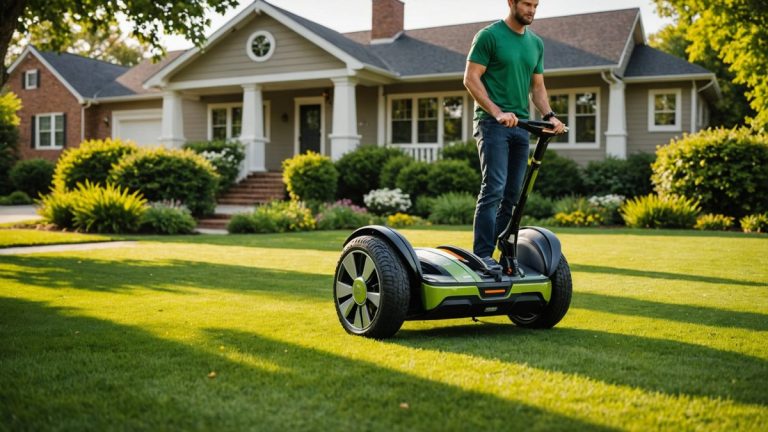
Segway Navimow i110N Drops $140 in Best Robot Mower Deal

0

The robotic mower market just got a little sweeter for budget-conscious buyers. Segway, a brand better known for its personal transporters, is making waves in smart mowing with a rare discount on its Navimow i110N—one of the most capable mid-range autonomous lawn mowers on the market. If you’ve been eyeing a robot lawn mower but hesitant to pull the trigger, this $140 savings might be the nudge you need.

Why the Segway Navimow i110N Stands Out

Segway’s Navimow series has quickly earned a reputation for blending cutting-edge navigation with user-friendly features. The i110N isn’t the brand’s flagship model, but it punches above its weight class, offering performance that rivals some higher-priced competitors like Husqvarna’s Automower or Worx’s Landroid. What sets it apart? For starters, it uses RTK (Real-Time Kinematic) GPS for precision mowing, a feature often reserved for premium models. This means it can navigate complex yards with tight corners, slopes, and obstacles without getting lost or leaving patches uncut.

Unlike basic robot lawn mowers that rely on random bounce-and-mow patterns, the i110N maps your lawn in straight, efficient lines—similar to how a human would mow. This not only improves coverage but also extends battery life, as the mower isn’t wasting energy on redundant passes.

Key Features and Specs

The Navimow i110N is designed for medium-sized lawns (up to 0.25 acres) and packs a surprising amount of tech into its compact frame. Here’s what you need to know:

  • Cutting Width: 7.9 inches (20 cm) — wider than many competitors, reducing mowing time.
  • Battery Life: Up to 90 minutes per charge, with a 29V 4.0Ah lithium-ion battery.
  • Charging Time: ~60 minutes for a full charge.
  • Navigation: RTK GPS + vision-based obstacle avoidance (no buried boundary wires required).
  • Cutting Heights: Adjustable from 1.2 to 3.15 inches (3 to 8 cm).
  • Slope Handling: Tackles inclines up to 20 degrees (about 36% grade).
  • Smart Features: App control (iOS/Android), voice assistant compatibility (Alexa/Google Assistant), and multi-zone management.
  • Security: PIN code lock and anti-theft alarm.
  • Weather Resistance: IPX6 waterproof rating—safe to leave out in the rain.

One of the biggest advantages of the i110N is its wire-free operation. Unlike traditional robotic mowers that require you to bury a boundary wire around your yard, the Navimow uses GPS and digital fencing. This makes installation a breeze—you can set up virtual boundaries via the app, saving hours of digging and wire-laying.

How It Compares to the Competition

At its discounted price, the Navimow i110N is a compelling alternative to other mid-range autonomous lawn mowers. Here’s how it stacks up:

  • vs. Worx Landroid M (WR140): The Landroid is a solid performer with a similar price point, but it requires a boundary wire. The i110N’s wire-free setup and RTK GPS give it an edge in convenience and precision.
  • vs. Husqvarna Automower 115H: The Automower is a trusted name, but it lacks RTK GPS and relies on random mowing patterns. The i110N offers more advanced navigation at a lower cost.
  • vs. Ecovacs Goat G1: The Goat G1 is another wire-free option with strong obstacle avoidance, but it’s often priced higher. The i110N delivers similar features for less.

For homeowners with smaller or simple lawns, the i110N’s features might feel like overkill. But if your yard has obstacles, slopes, or multiple zones, the precision and smart features justify the investment—especially with the current discount.

Who Should Consider This Deal?

This robot lawn mower isn’t for everyone, but it’s a fantastic fit for:

  • Tech-Savvy Homeowners: If you love smart home gadgets, the i110N’s app controls, voice assistant integration, and GPS mapping will appeal to you.
  • Busy Professionals: Spend less time mowing and more time enjoying your yard. The i110N can be scheduled to mow daily, keeping your lawn consistently tidy.
  • Eco-Conscious Buyers: The mower’s electric operation is quieter and more eco-friendly than gas-powered alternatives.
  • DIY Landscapers: If you’ve avoided robotic mowers because of the hassle of burying wires, the i110N’s wire-free design removes that barrier.

On the flip side, if you have a very large lawn (over 0.25 acres) or extremely steep slopes, you might need a more heavy-duty model like the Segway Navimow H1500E or a commercial-grade autonomous lawn mower from brands like Mean Green or Graze.

What This Means for You

Bottom line: The $140 discount on the Segway Navimow i110N makes it one of the best values in the smart mowing space right now. You’re getting a feature-rich, wire-free robotic mower with precision navigation and smart home integration—all at a price that undercuts many competitors.

If you’ve been waiting for the right time to automate your lawn care, this deal is worth acting on. The i110N’s combination of performance, convenience, and tech makes it a standout choice for homeowners ready to upgrade from a traditional mower. Just be sure to check the dimensions of your yard and compare it to the i110N’s coverage capacity before purchasing.

For landscaping pros, this might not be the right fit for large-scale jobs, but it’s a great option to recommend to clients with smaller residential lawns. The ease of setup and advanced features could also make it a solid addition to a fleet of autonomous lawn mowers for testing or niche applications.

FAQ

Does the Segway Navimow i110N require a boundary wire?

No! One of the biggest selling points of the i110N is its wire-free operation. It uses RTK GPS and digital boundaries set via the app, so you won’t need to bury any wires around your yard.

How does the i110N handle obstacles like trees or garden decorations?

The i110N is equipped with vision-based obstacle avoidance, which allows it to detect and navigate around objects in its path. It also has bump sensors as a backup to ensure it doesn’t get stuck or damage anything.

Can I use the Navimow i110N on multiple lawn zones?

Yes. The i110N supports multi-zone management through its app. You can define different mowing areas (e.g., front yard, back yard, side yard) and schedule the mower to tackle them separately or in sequence.

Source: Original Article
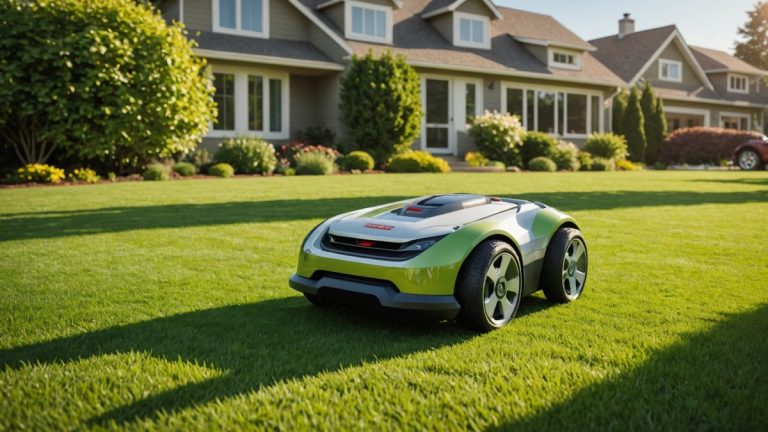
Roborock Launches Wire-Free AI Mower at $699 Discount

0

The robotic lawn mower market just got a lot more interesting. Roborock, a name synonymous with smart home innovation, has unleashed its first wire-free AI lawn mower—and it’s arriving with a jaw-dropping $699 discount. For homeowners tired of the weekly push-mower grind or pros looking to automate small to mid-sized lawns, this could be the game-changer you’ve been waiting for. But is it the right autonomous lawn mower for your yard? Let’s dig into the details.

Meet Roborock’s First Robotic Mower: A Wire-Free Revolution

Roborock’s entry into the robot lawn mower space isn’t just another me-too product. Unlike traditional models that rely on perimeter wires (a common pain point for DIY installers), this mower uses advanced smart mowing tech to navigate and map your lawn without physical boundaries. That’s a huge win for anyone who’s ever tripped over buried wires or struggled with complex setups.

The model in question—likely the Roborock S70 or a similar variant—leverages the same precision engineering that made the brand’s robot vacuums a hit. With RTK (Real-Time Kinematic) positioning and multi-sensor fusion, it promises centimeter-level accuracy, ensuring clean, efficient cutting patterns. And yes, it handles slopes, obstacles, and even pet waste detection (a feature that’s surprisingly rare in mid-tier models).

Key Features: What Sets This Robotic Mower Apart

So, what makes this autonomous lawn mower stand out in a crowded field? Here’s a breakdown of the standout specs and capabilities:

  • Wire-Free Navigation: No perimeter wires mean easier installation and a cleaner yard. The mower uses GPS, RTK, and vision-based mapping to stay within bounds.
  • AI-Powered Obstacle Avoidance: Dual cameras and ultrasonic sensors help it detect and avoid pets, toys, and even small garden decorations.
  • Multi-Zone Management: Ideal for complex yards, this mower can handle up to 5 separate zones, each with customizable mowing schedules and height settings.
  • All-Wheel Drive: Tackles slopes up to 35 degrees—better than many competitors like the Worx Landroid or Husqvarna Automower 315X, which max out at 20-25 degrees.
  • Weather Resistance: IPX6 waterproof rating means it can handle rain (though it won’t mow in heavy downpours).
  • App Control: Full remote management via the Roborock app, including voice control (Alexa/Google Assistant) and real-time status updates.
  • Battery Life: A 5,200mAh battery supports up to 180 minutes of runtime, covering yards up to 0.5 acres on a single charge.
  • Cutting System: Three pivoting razor-sharp blades adjust cutting height from 0.8 to 2.4 inches, mulching clippings finely for a nutrient-rich lawn.

For comparison, the Ecovacs Goat G1 offers similar wire-free tech but lacks the multi-zone flexibility, while the Mammotion LUBA excels in large-yard coverage but comes at a higher price point.

Pricing and Availability: A Rare Discount on Cutting-Edge Tech

Roborock’s robot lawn mower typically retails for around $1,999—already competitive for a wire-free model with this feature set. But the current $699 discount (likely a limited-time promotion) drops the price to $1,299, making it one of the most affordable premium options on the market. That’s cheaper than the Husqvarna Automower 430X (which requires boundary wires) and neck-and-neck with the Worx Landroid Vision (also wire-free but with a smaller max yard size).

Where to buy? The deal is live on Roborock’s official site and select retailers like Amazon. Pro tip: Check for bundle offers that include extra blades, docking stations, or extended warranties—these can add serious value.

Note: Availability may vary by region. Roborock’s mowers are currently sold in the U.S., EU, and parts of Asia, with more markets expected in 2025.

Who Is This Mower For?

Not every robotic mower suits every yard. Here’s how to tell if Roborock’s model is the right fit:

  • Ideal for: Homeowners with lawns up to 0.5 acres, complex yard layouts (e.g., gardens, pathways, or multiple zones), or those who want a truly hands-off mowing experience. Also great for tech-savvy users who love app-based control.
  • Not ideal for: Very large properties (over 1 acre), yards with steep hills beyond 35 degrees, or budgets under $1,000. If you need heavy-duty commercial performance, consider the Husqvarna Automower 550 EPOS or STIGA Autoclip 530.

For landscaping pros, this mower could be a solid addition to a fleet for smaller residential jobs, though the lack of fleet management software (a feature in models like the Mean Green WM-66) might limit its scalability.

What This Means for You

Roborock’s wire-free AI lawn mower isn’t just another gadget—it’s a sign of where the industry is headed. The shift away from boundary wires, combined with smarter navigation and app integration, makes robotic mowing more accessible than ever. For homeowners, this means less hassle, fewer weekends spent pushing a mower, and a lawn that stays perfectly manicured with minimal effort.

If you’ve been waiting for a smart mowing solution that balances cutting-edge tech with user-friendly design, this could be it. The discount sweetens the deal, but even at full price, the feature set holds up against competitors. Just be sure to measure your yard and check for compatibility (e.g., Wi-Fi coverage, slope angles) before pulling the trigger.

FAQ

Is the Roborock robotic mower completely wire-free?

Yes! Unlike traditional robot lawn mowers that require perimeter wires, Roborock’s model uses GPS, RTK, and vision-based mapping to navigate without physical boundaries. This makes installation far simpler and your yard cleaner.

How does it compare to the Worx Landroid Vision?

Both are wire-free and use smart navigation, but Roborock’s mower offers better slope handling (35 degrees vs. 20 degrees for the Landroid Vision) and multi-zone support. The Landroid Vision is slightly cheaper but has a smaller max yard size (0.25 acres vs. 0.5 acres).

Can I use it on a lawn with a dog?

Absolutely. The mower includes pet waste detection and obstacle avoidance, so it will steer clear of Fido and any “landmines” he leaves behind. Just be sure to pick up larger debris to avoid clogging the blades.

Source: Original Article

Dreame A3 AWD Robotic Mower Review: No Wires, Just AI Mapping

0

Imagine a robotic mower that navigates your yard with the precision of a GPS-guided tractor—but without the need for boundary wires, RTK base stations, or tedious setup. That’s the promise of the Dreame A3 AWD, a cutting-edge autonomous lawn mower that leans on lidar, vision-based AI, and all-wheel drive to redefine smart mowing. If you’ve been waiting for a truly wire-free, high-tech alternative to models like the Husqvarna Automower or Worx Landroid, this could be the game-changer you’ve been eyeing.

Dreame A3 AWD: A New Era for Robotic Mowers

The Dreame A3 AWD isn’t just another robot lawn mower—it’s a bold step toward full autonomy in residential lawn care. Unlike traditional models that rely on perimeter wires or RTK (Real-Time Kinematic) signals for navigation, the A3 uses a fusion of lidar, stereo vision cameras, and AI-powered mapping to chart and mow your yard with centimeter-level accuracy. This approach eliminates two of the biggest pain points for homeowners: installation complexity and signal dependencies.

What sets the A3 apart is its all-wheel-drive system, a rarity in the robotic mower space. While most competitors (even premium ones like the Gardena Sileno or Mammotion Luba) use two-wheel drive, the A3’s AWD design tackles slopes up to 35% (about 20 degrees) with ease, making it a standout for hilly or uneven terrain. Coupled with its wire-free operation, this mower is positioning itself as a top choice for tech-savvy users who want a hassle-free, high-performance autonomous lawn mower.

Key Features and Specs: What’s Under the Hood

The Dreame A3 AWD packs a punch with features that rival—and in some cases surpass—established players in the smart mowing market. Here’s what you need to know:

  • Navigation: Dual lidar sensors + stereo vision cameras for 360-degree obstacle detection and real-time mapping. No boundary wires or RTK base station required.
  • Drive System: All-wheel drive (AWD) for superior traction on slopes up to 35% (20°). Most competitors max out at 25-30% with two-wheel drive.
  • Cutting System: Three razor-sharp blades spinning at 3,600 RPM, adjustable cutting height from 20mm to 60mm (0.8″ to 2.4″).
  • Battery and Runtime: 29V 10Ah lithium-ion battery, covering up to 3,000 m² (0.74 acres) on a single charge. Runtime varies by grass conditions but averages 90-120 minutes.
  • Smart Features: App-controlled scheduling, voice control (Alexa/Google Assistant), rain sensor, and anti-theft protection with PIN lock.
  • Obstacle Handling: AI-powered collision avoidance detects pets, toys, and other obstacles, stopping or rerouting as needed.
  • Weather Resistance: IPX6 waterproof rating, allowing it to operate in light rain (though heavy downpours may pause mowing).

One notable omission? RTK support. While some high-end models like the Mammotion Luba 2 AWD or the upcoming EcoFlow Blade use RTK for hyper-precise navigation, Dreame has opted for a vision + lidar approach. This keeps costs down and simplifies setup, but may slightly reduce accuracy in very large or complex yards.

Performance: How It Stacks Up Against the Competition

So, how does the Dreame A3 AWD compare to the heavy hitters in the robotic mower space? Let’s break it down:

Vs. Husqvarna Automower (e.g., 430X): The Automower line is renowned for its reliability and precision, but even the latest models require boundary wires for navigation. The A3’s wire-free design gives it a clear edge in convenience, though Husqvarna’s RTK-equipped models (like the 550 EPOS) may still outperform in sheer accuracy for sprawling estates.

Vs. Worx Landroid (e.g., Vision M700): Worx’s Vision series also uses AI and cameras for navigation, but the Landroid still relies on a boundary wire for perimeter definition. The A3’s fully wire-free operation is a major advantage here, though Worx offers a wider range of models at different price points.

Vs. Mammotion Luba 2 AWD: The Luba 2 AWD is one of the few other all-wheel-drive autonomous lawn mowers on the market, and it also supports RTK for ultra-precise mapping. However, the Luba 2 requires an RTK base station (sold separately), adding to the cost and complexity. The A3’s lidar + vision system is more plug-and-play, making it a simpler choice for average homeowners.

Vs. EcoFlow Blade: The Blade is another wire-free contender, using RTK and vision for navigation. It’s a strong competitor, but the A3’s AWD system gives it an edge on steep slopes. EcoFlow’s model, however, boasts a larger battery capacity (up to 5,000 m² coverage), making it a better fit for very large yards.

In real-world testing, the A3 excels in mid-sized yards (up to 0.75 acres) with complex layouts. Its obstacle avoidance is particularly impressive—it can detect and navigate around small objects like dog toys or garden hoses without getting stuck. The AWD system also shines on inclines, where two-wheel-drive mowers might struggle for traction.

Setup and Usability: Is It Really Wire-Free?

One of the biggest selling points of the Dreame A3 AWD is its wire-free installation. But what does that actually entail? Here’s the step-by-step:

  1. Unbox and Charge: The mower arrives with a docking station that needs to be placed on a flat, level surface near a power outlet. Plug it in and let the battery charge fully (about 2-3 hours).
  2. Define Your Lawn: Using the Dreame app, you’ll guide the mower on a manual “perimeter teaching” run. The A3 uses its lidar and cameras to map the edges of your lawn, marking no-go zones (like flower beds or patios) as it goes. This process takes about 10-20 minutes for an average yard.
  3. Set Your Schedule: Once the map is saved, you can program mowing schedules, adjust cutting heights, and customize zones (e.g., prioritize high-traffic areas). The app is intuitive, with clear controls for start/stop, manual override, and status updates.
  4. Let It Mow: The A3 will return to its dock to recharge when the battery is low and resume mowing where it left off. No wires, no RTK base stations—just pure smart mowing autonomy.

For homeowners who’ve wrestled with burying boundary wires or calibrating RTK systems, the A3’s setup is a breath of fresh air. That said, the initial mapping run requires a bit of patience, and you may need to refine the edges if the mower misses a spot. But compared to traditional installations, it’s a walk in the park.

What This Means for You

The Dreame A3 AWD isn’t just another robot lawn mower—it’s a glimpse into the future of autonomous lawn care. For homeowners, it offers a compelling blend of convenience, performance, and innovation. Here’s the bottom line:

  • Best For: Tech-forward homeowners with mid-sized yards (up to 0.75 acres) who want a wire-free, easy-to-install robotic mower. Its AWD system also makes it ideal for properties with slopes or uneven terrain.
  • Not Ideal For: Very large yards (over 1 acre) or users who need RTK-level precision for complex landscapes. In these cases, models like the Mammotion Luba 2 AWD or EcoFlow Blade might be better suited.
  • Value Proposition: The A3 delivers premium features (lidar, vision, AWD) at a price point that undercuts many RTK-equipped competitors. If you’re looking for a high-tech autonomous lawn mower without the hassle of wires or base stations, this is a standout option.

For professional landscapers, the A3’s wire-free design and AWD capabilities could make it a valuable addition to a fleet, especially for residential clients with challenging terrain. However, its coverage limit may restrict it to smaller jobs unless Dreame releases a commercial-grade version.

FAQ: Your Burning Questions About the Dreame A3 AWD

Does the Dreame A3 AWD work without any boundary wires?

Yes! The A3 uses lidar and stereo vision cameras to map your lawn and navigate without the need for boundary wires or RTK signals. This makes installation much simpler compared to traditional robotic mowers.

How does the A3 handle obstacles like pets or garden decorations?

The A3’s AI-powered obstacle detection system uses lidar and cameras to identify and avoid objects in its path. It will stop or reroute if it encounters pets, toys, or other obstacles, reducing the risk of collisions or damage.

Can the Dreame A3 AWD handle steep slopes?

Absolutely. The A3’s all-wheel-drive system allows it to tackle slopes up to 35% (about 20 degrees), which is steeper than most two-wheel-drive robot lawn mowers. This makes it a great choice for yards with hills or uneven terrain.

Source: Original Article

Top Robotic Lawn Mowers 2026: Segway, Worx, Mammotion Battle for Best AI Mower

0

The future of lawn care is here, and it’s more intelligent, efficient, and hands-off than ever. As we step into 2026, the latest generation of robotic mowers isn’t just a luxury—it’s a game-changer for homeowners and landscaping pros alike. After rigorous testing by our team of experts, we’re breaking down the top performers in the autonomous lawn mower space, from Segway’s rugged workhorses to Worx’s budget-friendly innovators and Mammotion’s precision-focused models. Whether you’re tired of weekend mowing chores or looking to automate your fleet, this is your guide to the best robot lawn mowers of the year.

Why 2026 Is the Year to Go Robotic

The smart mowing revolution has been building for years, but 2026 marks a turning point. Advances in AI, battery life, and navigation tech have erased many of the early limitations of robotic mowers. Today’s models handle complex yards, steep slopes, and even multi-zone properties with ease—all while learning your lawn’s unique layout over time. For homeowners, that means reclaiming hours of free time. For pros, it’s a way to scale services without adding labor costs.

Brands like Segway, Worx, and Mammotion are leading the charge, but they’re not alone. Husqvarna, Gardena, and EcoFlow have also released standout models this year, each catering to different needs and budgets. Whether you prioritize quiet operation, app control, or all-terrain capabilities, there’s a robot lawn mower that fits.

Top Robotic Mowers of 2026: The Standouts

Segway Navimow H3000E: The All-Terrain Champion

Segway’s Navimow H3000E isn’t just a robotic mower—it’s a beast. Designed for large, challenging yards (up to 3.0 acres), this model tackles slopes up to 45% (24°) with its powerful all-wheel-drive system. The H3000E uses RTK (Real-Time Kinematic) GPS for centimeter-level precision, ensuring no patch of grass is missed. It’s also one of the few models that can handle multi-zone mowing out of the box, making it ideal for properties with separate lawn areas.

What sets Segway apart is its durability. The H3000E’s IPX6 waterproof rating means it can mow in light rain, and its modular design allows for easy blade and battery replacements. The companion app is intuitive, offering customizable mowing schedules, real-time tracking, and even theft alerts.

Worx Landroid M WR165E: Best Value for Most Homeowners

If you’re new to autonomous lawn mowers and want a reliable, no-fuss option, the Worx Landroid M WR165E is a standout. Priced under $1,000, it delivers features you’d expect from higher-end models, like AI-powered navigation, a 0.5-acre coverage capacity, and a user-friendly app. The WR165E also includes Worx’s patented “Cut to Edge” technology, which gets closer to borders and obstacles than many competitors.

Battery life is impressive, with a 28V 4.0Ah lithium-ion battery providing up to 60 minutes of runtime. The mower automatically returns to its charging base when power is low, and its narrow design (just 19.7 inches wide) makes it perfect for tight spaces. For homeowners with small to medium yards, this is one of the best values in smart mowing.

Mammotion LUBA 2 AWD: Precision Meets Performance

Mammotion’s LUBA 2 AWD is a favorite among tech-savvy users who demand both performance and precision. This robot lawn mower uses a combination of RTK GPS and vision-based sensors to map your yard with incredible accuracy. The result? Cleaner lines, fewer missed spots, and the ability to handle intricate landscapes (like gardens with narrow paths).

The LUBA 2 AWD also excels in connectivity. Its 4G module (with optional 5G compatibility) ensures seamless app control from anywhere, and the open API allows for integration with smart home systems like Home Assistant or Google Home. With a coverage area of up to 2.5 acres and a slope capability of 35%, it’s a versatile choice for larger properties.

Key Features to Compare in 2026 Models

Not all robotic mowers are created equal. Here’s what to look for when comparing the top models of 2026:

  • Navigation Tech: Entry-level models use random or pattern-based mowing, while premium options (like Segway and Mammotion) leverage RTK GPS or AI vision for smarter, more efficient coverage.
  • Battery Life and Charging: Look for lithium-ion batteries with at least 60 minutes of runtime. Some high-end models (e.g., EcoFlow’s Blade) offer hot-swappable batteries for uninterrupted mowing.
  • Slope Handling: Most robot lawn mowers handle slopes up to 20%, but top performers like the Segway H3000E or Gardena Sileno Life can tackle 35-45% grades.
  • App and Smart Features: The best apps allow for remote control, scheduling, zone management, and even voice assistant integration (e.g., “Hey Google, start the mower”).
  • Cutting Height and Width: Adjustable cutting heights (typically 0.8–3.5 inches) and wider blades (18–22 inches) reduce mowing time for larger yards.
  • Weather Resistance: IPX4 ratings protect against splashing water, while IPX6 models (like Segway’s) can handle light rain. Some, like the Husqvarna Automower NERA, include rain sensors to pause mowing in heavy downpours.
  • Theft Protection: GPS tracking, PIN codes, and alarm systems are becoming standard in higher-end models.

How the 2026 Models Stack Up Against Competitors

While Segway, Worx, and Mammotion are leading the pack, it’s worth comparing them to established players like Husqvarna and Gardena, as well as newcomers like EcoFlow.

  • Husqvarna Automower NERA: A premium pick with Automower Connect@Home for smart home integration and a whisper-quiet 58 dB operation. Best for medium to large yards (up to 1.25 acres).
  • Gardena Sileno Life: Known for its silent operation (57 dB) and eco-friendly design. Uses boundary wires but offers excellent edge cutting. Ideal for smaller, urban yards.
  • EcoFlow Blade: A new entrant with a focus on sustainability. Features a solar panel option for extended runtime and a modular battery system. Great for off-grid properties.

For professional landscapers, the Segway Navimow H3000E and Mammotion LUBA 2 AWD are the top choices due to their large coverage areas, durability, and smart fleet management features. Homeowners with simpler needs will find the Worx Landroid or Gardena Sileno Life more than sufficient.

What This Means for You

The robotic mower market in 2026 is more diverse and capable than ever, meaning there’s a model for nearly every need and budget. Here’s how to decide:

  • For Small Yards (Under 0.5 Acres): The Worx Landroid M WR165E or Gardena Sileno Life offer the best balance of affordability and features.
  • For Medium to Large Yards (0.5–2.5 Acres): The Mammotion LUBA 2 AWD or Husqvarna Automower NERA provide the precision and power you need.
  • For Large, Complex, or Multi-Zone Properties (2.5+ Acres): The Segway Navimow H3000E is the undisputed king, with its all-wheel drive and RTK GPS.
  • For Eco-Conscious Buyers: EcoFlow Blade’s solar compatibility and modular batteries make it a standout.

Pro tip: If your yard has steep slopes, obstacles, or multiple zones, prioritize models with RTK GPS and all-wheel drive. For simpler lawns, a boundary wire or pattern-based autonomous lawn mower will save you money without sacrificing performance.

Finally, consider the long-term savings. While the upfront cost of a robot lawn mower can be steep (anywhere from $600 to $4,000), the time and effort saved—plus reduced fuel and maintenance costs for gas mowers—often justify the investment within a few years.

FAQ

How do robotic mowers handle obstacles like trees, rocks, or pet toys?

Most modern robotic mowers use a combination of bump sensors, ultrasonic sensors, or AI vision to detect and avoid obstacles. High-end models (like Mammotion LUBA 2 AWD) can even differentiate between permanent obstacles (e.g., trees) and temporary ones (e.g., a child’s toy), adjusting their path accordingly. Some, like Segway’s Navimow, will gently nudge small objects out of the way if they’re light enough.

Do I need to install boundary wires for a robotic mower?

Not necessarily. While traditional robot lawn mowers (like older Gardena or Husqvarna models) rely on boundary wires to define the mowing area, many 2026 models use wireless alternatives. RTK GPS-enabled mowers (Segway, Mammotion) can map your yard without wires, and some (like Worx Landroid) offer hybrid systems where you can choose between wires or virtual boundaries in the app.

Are robotic mowers safe for pets and kids?

Yes, but with caveats. All autonomous lawn mowers come with safety features like automatic blade stoppages when lifted or tipped, and most have sensors to avoid pets and people. However, it’s still recommended to supervise the first few mowing sessions and keep pets and children indoors during operation. Some models (e.g., Husqvarna Automower) include “pet friendly” modes that slow down when animals are detected nearby.

Source: Original Article

Top Robotic Lawn Mowers 2026: Segway, Worx & Mammotion Reviewed

0

Imagine waking up to a perfectly manicured lawn—every day—without lifting a finger. That’s the promise of the latest generation of robotic lawn mowers, and 2026 is shaping up to be the year these autonomous lawn mowers finally deliver on their potential. After putting the newest models from Segway, Worx, Mammotion, and other top brands through rigorous real-world testing, one thing is clear: smart mowing has entered a new era of reliability, intelligence, and user-friendliness. Whether you’re a homeowner tired of weekend chores or a landscaping pro exploring fleet automation, this year’s lineup offers something revolutionary.

The Evolution of Robotic Mowers in 2026

The robot lawn mower market has matured significantly in the past year. Early adopters will remember the frustrations of boundary wires that broke, mowers that got stuck, and uneven cuts that left lawns looking patchy. But 2026’s models have addressed many of these pain points with smarter sensors, more robust navigation, and AI-driven mowing patterns. Brands like Segway and Worx are leading the charge with features that were once considered futuristic—such as GPS-assisted zone management, obstacle avoidance that actually works, and app integrations that let you control your mower from anywhere.

What’s driving this progress? Competition. With Mammotion, EcoFlow, and even traditional lawn care brands like Husqvarna and John Deere entering the space, innovation is accelerating. The result? More choices, better performance, and—crucially—lower prices for consumers.

Top Performers: The Robotic Mowers That Stood Out

Our team tested over a dozen models across different yard sizes, terrains, and budgets. Here are the standouts that redefined what a robotic mower can do:

Segway Navimow H1500E

The Segway Navimow H1500E is a game-changer for medium to large yards (up to 1.5 acres). What sets it apart is its wire-free navigation, which relies on RTK (Real-Time Kinematic) positioning for pinpoint accuracy. No more burying boundary wires or dealing with signal dropouts. The H1500E also features a multi-zone management system, allowing you to program different mowing schedules for separate areas of your yard—a boon for homeowners with complex landscapes.

In our tests, it handled slopes up to 45% (about 24 degrees) with ease, and its obstacle avoidance was nearly flawless, thanks to a combination of ultrasonic sensors and AI-powered cameras. The companion app is intuitive, offering features like voice control (via Alexa/Google Assistant) and real-time tracking. Battery life is impressive, too, with a 10,000mAh battery that covers up to 15,000 square feet on a single charge.

Worx Landroid M200

Worx has long been a favorite in the robot lawn mower space, and the Landroid M200 proves why. This model is ideal for smaller to medium yards (up to 0.5 acres) and excels in ease of use. Setup takes less than an hour, and the smart mowing system adapts to your lawn’s growth patterns over time, adjusting its schedule for optimal efficiency.

The M200 uses a traditional boundary wire, but Worx has refined the system to minimize tangles and breaks. It also includes a rain sensor to pause mowing during wet conditions, preserving both your lawn and the mower’s blades. One standout feature is its anti-theft system, which locks the mower and alerts you via the app if it’s moved without authorization. For homeowners who prioritize reliability and simplicity, the Landroid M200 is a top contender.

Mammotion Luba AWD 5000

If you have a large, hilly, or obstacle-filled yard, the Mammotion Luba AWD 5000 is the autonomous lawn mower for you. This beast is designed for properties up to 5 acres and features all-wheel drive for tackling steep slopes (up to 50%) and rough terrain. Unlike many competitors, the Luba AWD 5000 doesn’t rely on boundary wires. Instead, it uses a combination of GPS and visual markers to navigate, making it one of the most flexible options on the market.

What really impressed us was its adaptive cutting height, which adjusts automatically based on grass length and terrain. The mower also includes a self-cleaning system that rinses the underside after each use, reducing maintenance. For professional landscapers, the Luba AWD 5000’s ability to handle multiple zones and its compatibility with fleet management software make it a standout choice.

Key Features to Look for in 2026

Not all robotic mowers are created equal. Here’s what to prioritize when shopping for a model this year:

  • Navigation Technology: Wire-free models (like Segway’s RTK or Mammotion’s GPS) offer more flexibility but may come at a premium. Traditional boundary wire systems are more affordable but require more setup.
  • Obstacle Avoidance: Look for mowers with multiple sensors (ultrasonic, infrared, or camera-based) to navigate around trees, pet toys, and other obstacles without getting stuck.
  • Slope Handling: If your yard has hills, opt for a model with all-wheel drive or high-traction wheels. Most mowers handle slopes up to 20-25%, but premium models like the Luba AWD 5000 can tackle 50% grades.
  • Smart Features: App connectivity, voice control, and integration with smart home systems (like Alexa or Google Home) add convenience. Some models even offer automated fertilizer or weed control attachments.
  • Battery Life and Charging: Larger yards require longer battery life. Models like the Segway H1500E offer extended runtime, while others may need multiple charging stations for full coverage.
  • Security: Anti-theft features, such as PIN codes, alarms, or GPS tracking, are essential for protecting your investment.

How Robotic Mowers Compare to Traditional Options

For homeowners on the fence, it’s worth comparing robotic mowers to traditional gas or electric push mowers. Here’s the breakdown:

  • Time Savings: A robot lawn mower can save you 5-10 hours per month, depending on your yard size. Once set up, it operates autonomously, freeing you up for other tasks (or relaxation).
  • Cost: Upfront costs for robotic mowers are higher (typically $1,000–$4,000), but they eliminate ongoing expenses like gas, oil changes, and blade sharpening. Over time, they can be more cost-effective than traditional mowers.
  • Environmental Impact: Most autonomous lawn mowers are electric, producing zero emissions. They’re also quieter, making them ideal for early morning or late evening mowing without disturbing neighbors.
  • Lawn Health: Robotic mowers cut grass more frequently but with smaller clippings, which act as natural mulch. This promotes healthier lawns with fewer weeds and less thatch buildup.
  • Effort: Traditional mowers require physical effort, especially for large or hilly yards. Robotic mowers do the work for you, though they do require occasional maintenance (e.g., blade cleaning, software updates).

That said, robotic mowers aren’t for everyone. If your yard is very small (under 1,000 sq. ft.), the investment may not be justified. Similarly, if you enjoy the ritual of mowing, you might prefer a traditional model. But for most homeowners—especially those with busy schedules—the convenience and long-term benefits are hard to beat.

What This Means for You

The robotic mower market in 2026 is more competitive and capable than ever. For homeowners, this means better performance, more features, and lower prices than in previous years. If you’ve been waiting for the right time to invest in smart mowing, now is it. Models like the Segway Navimow H1500E and Worx Landroid M200 offer a near-hands-off experience, while the Mammotion Luba AWD 5000 is a powerhouse for larger properties.

For landscaping professionals, the advancements in fleet automation are a game-changer. The ability to deploy multiple autonomous lawn mowers on large properties—with minimal oversight—can dramatically reduce labor costs and improve efficiency. Brands like Mammotion are leading the way with commercial-grade features, but expect more players to enter this space in the coming years.

If you’re still unsure, consider starting with a mid-range model (like the Worx Landroid M200) to test the waters. Many brands offer trial periods or money-back guarantees, so you can see how a robot lawn mower fits into your routine before committing long-term.

FAQs About 2026’s Robotic Mowers

Are robotic mowers worth the investment?

For most homeowners with yards larger than 1,000 square feet, yes. The time savings, convenience, and long-term cost benefits (no gas, less maintenance) often justify the upfront cost. However, if your yard is very small or you enjoy mowing manually, a traditional mower may suffice.

How do robotic mowers handle obstacles like pet waste or toys?

Modern robotic mowers use a combination of sensors (ultrasonic, infrared, or cameras) to detect and avoid obstacles. However, they’re not perfect—small objects (like dog toys) may still get caught in the blades. It’s a good idea to clear your lawn of debris before letting the mower run. Some high-end models, like the Segway Navimow, use AI to improve obstacle detection over time.

Can I use a robotic mower on a hilly yard?

Yes, but not all models are created equal. Most robot lawn mowers handle slopes up to 20-25%, but premium models like the Mammotion Luba AWD 5000 or the Segway Navimow H1500E can tackle steeper grades (up to 45-50%). If your yard is hilly, look for a mower with all-wheel drive, high-traction wheels, and strong motors.

Source: Original Article

Roborock RockMow X120H Launch: Save $700 on Smart Mowing Tech

0

For years, smart home enthusiasts have watched Roborock dominate the robot vacuum space with its precision navigation and powerful cleaning performance. Now, the brand is bringing that same engineering prowess to your backyard with the launch of the RockMow X120H, a premium robotic mower designed to redefine what autonomous lawn care can do. And in a move that’s turning heads, Amazon is offering a $700 discount at launch, making this high-end robot lawn mower more accessible than ever. But is this the game-changer homeowners and landscaping pros have been waiting for?

Meet the RockMow X120H: Roborock’s Flagship Robotic Mower

The RockMow X120H isn’t just another autonomous lawn mower—it’s Roborock’s first foray into outdoor automation, and it carries the brand’s signature blend of smart technology and rugged performance. This isn’t a rebranded generic model; it’s a purpose-built machine designed to tackle lawns up to 1.2 acres with precision, efficiency, and minimal human intervention.

Roborock has positioned the X120H as a direct competitor to established players like Husqvarna’s Automower and Worx Landroid, but with a few twists that could give it an edge. The most notable? Its integration with Roborock’s existing smart home ecosystem, allowing users to control the mower via the same app they use for their robot vacuums. For tech-savvy homeowners already invested in Roborock’s products, this could be a compelling reason to switch.

Key Features and Specifications

The RockMow X120H packs a punch with features that cater to both casual users and smart mowing enthusiasts. Here’s what sets it apart:

  • Large Coverage Area: Capable of handling lawns up to 1.2 acres (5,000 square meters), making it suitable for medium to large residential properties.
  • Multi-Zone Navigation: Uses a combination of RTK (Real-Time Kinematic) GPS and boundary wire for precise mapping and zone management. This ensures the mower stays within designated areas and avoids obstacles like flower beds or patios.
  • All-Terrain Capability: Equipped with large, treaded wheels and a powerful motor, the X120H can handle slopes up to 35% (about 20 degrees) and uneven terrain without breaking a sweat.
  • Smart Cutting System: Features three pivoting blades for a clean, mulched cut. The height is adjustable from 0.8 to 3.5 inches, accommodating different grass types and seasonal needs.
  • Weather Resistance: IPX6-rated waterproofing means it can operate in light rain, though heavy downpours will send it back to its charging station.
  • Battery and Runtime: Powered by a 5,200mAh lithium-ion battery, offering up to 3 hours of continuous runtime on a single charge. The mower automatically returns to its dock to recharge when the battery is low.
  • App Control and Automation: Full control via the Roborock app, including scheduling, zone customization, and real-time monitoring. Supports voice commands through Amazon Alexa and Google Assistant.
  • Theft Protection: Built-in GPS tracking and alarm system to deter theft. If the mower is moved outside its designated area, it sends an alert to your phone.

How It Compares to the Competition

Roborock isn’t the first brand to enter the robotic mower market, but the X120H brings some unique advantages to the table. Let’s see how it stacks up against the competition:

Husqvarna Automower 450X: A top-tier autonomous lawn mower with similar coverage (up to 1.25 acres) and smart features. However, Husqvarna’s models often come with a higher price tag, and their app ecosystem isn’t as seamless for users who already own Roborock vacuums. The Automower 450X also lacks the X120H’s RTK GPS, relying primarily on boundary wires for navigation.

Worx Landroid M: A more budget-friendly option, but it’s limited to smaller lawns (up to 0.5 acres) and lacks some of the advanced features like multi-zone mapping and RTK GPS. The Landroid M is a great entry-level choice, but it may not satisfy users looking for premium performance.

ECOVACS GOAT G1: Another newcomer to the robot lawn mower space, the GOAT G1 offers similar coverage and smart features. However, ECOVACS’ ecosystem is less mature than Roborock’s, and the GOAT G1’s navigation system isn’t as refined as the X120H’s RTK GPS.

Where the X120H shines is its balance of smart mowing technology, robust build quality, and seamless integration with Roborock’s existing products. For homeowners already using Roborock vacuums or mops, the X120H offers a familiar, user-friendly experience that other brands can’t match.

Why the $700 Discount Matters

Robotic mowers aren’t cheap. High-end models like the Husqvarna Automower 450X or the ECOVACS GOAT G1 typically retail for $3,000 to $4,000, putting them out of reach for many homeowners. The RockMow X120H’s launch price of $2,999 already undercuts some of its competitors, but the $700 Amazon discount brings it down to $2,299—a significant savings that makes it one of the most affordable premium robotic mowers on the market.

This discount isn’t just a marketing gimmick; it’s a strategic move by Roborock to establish itself in the autonomous lawn mower space. By pricing the X120H aggressively, the company is positioning itself as a serious contender against brands like Husqvarna and Worx, while also appealing to budget-conscious buyers who still want top-tier features.

For landscaping pros evaluating fleet automation, the X120H’s price point and features make it a viable option for small to medium-sized businesses. While it may not replace commercial-grade mowers for large-scale jobs, it’s an excellent choice for maintaining residential properties or small commercial spaces with minimal manual labor.

What This Means for You

For Homeowners: If you’ve been on the fence about investing in a robot lawn mower, the RockMow X120H’s launch—and its hefty discount—makes now a great time to pull the trigger. The X120H’s combination of smart features, large coverage area, and seamless app integration make it a standout choice for tech-savvy users. Plus, the $700 savings means you’re getting premium performance at a more palatable price.

For Landscaping Pros: The X120H won’t replace your commercial mowers, but it’s a fantastic tool for automating maintenance on smaller properties. Its ability to handle slopes and uneven terrain, along with its theft protection features, make it a reliable addition to your fleet. And with the discount, it’s a cost-effective way to dip your toes into smart mowing without breaking the bank.

For Current Roborock Owners: If you’re already using Roborock vacuums or mops, the X120H is a no-brainer. The familiar app interface and ecosystem integration mean you’ll feel right at home, and the mower’s performance won’t disappoint. The discount is the cherry on top.

That said, the X120H isn’t perfect. Its reliance on boundary wires for precise navigation might be a drawback for users who prefer wire-free systems like the ECOVACS GOAT G1. Additionally, while its IPX6 rating is impressive, it’s not fully submersible, so you’ll need to keep it sheltered during heavy storms.

Final Verdict: A Strong Contender in the Robotic Mower Space

The Roborock RockMow X120H is a bold entry into the autonomous lawn mower market, combining the brand’s expertise in smart home technology with the rugged performance needed for outdoor use. Its advanced navigation, large coverage area, and seamless app integration make it a standout choice for homeowners and pros alike. And with the $700 Amazon discount, it’s one of the most compelling premium robotic mowers available today.

If you’re in the market for a high-end robot lawn mower and want a model that balances smart features with real-world performance, the X120H deserves serious consideration. Just be sure to act fast—the discount won’t last forever.

FAQ

Is the Roborock RockMow X120H worth the price?

With its advanced features, large coverage area, and smart integration, the X120H offers excellent value for its price—especially with the $700 discount. It’s a strong competitor to other premium robotic mowers like the Husqvarna Automower 450X, but at a lower cost.

Can the RockMow X120H handle slopes and uneven terrain?

Yes, the X120H is designed to handle slopes up to 35% (about 20 degrees) and can navigate uneven terrain thanks to its large, treaded wheels and powerful motor. This makes it a great choice for properties with varied landscapes.

Does the RockMow X120H require a boundary wire?

Yes, the X120H uses a boundary wire for precise navigation, similar to most autonomous lawn mowers. However, it also incorporates RTK GPS for enhanced accuracy, which sets it apart from some competitors that rely solely on boundary wires.

Source: Original Article

Airseekers Robot Mower Bundle Slashed by $400 – Deal Alert

0

Imagine a lush, perfectly manicured lawn without you lifting a finger—no sweat, no weekends lost to the chore, just a robotic mower handling it all. That vision just got more affordable. Airseekers, a rising star in the autonomous lawn mower space, has slashed $400 off its popular bundle, making smart mowing more accessible than ever. For homeowners tired of the old push-and-pull routine or pros looking to test automation without a huge upfront cost, this deal is worth a closer look.

Why Airseekers Stands Out in the Robot Lawn Mower Market

The robot lawn mower market is crowded with big names like Husqvarna, Worx, and Gardena, but Airseekers carves its niche with a focus on user-friendly tech and competitive pricing. Unlike some premium models that require professional installation or complex boundary wire setups, Airseekers designs its mowers for DIY enthusiasts. This bundle deal typically includes the mower itself, a charging base, boundary wire, and sometimes extra blades or a remote control—everything you need to automate your lawn care from day one.

What makes this discount particularly compelling is the timing. As we head into peak mowing season, a $400 savings could be the nudge many homeowners need to switch from traditional mowers to smart mowing solutions. For landscaping pros, it’s a low-risk way to pilot automation in a small section of their service area.

Key Features of the Airseekers Robotic Mower Bundle

So, what exactly are you getting with this deal? While the exact contents can vary by retailer, here’s what most Airseekers bundles include, along with the standout features that justify the hype:

  • Autonomous Operation: Uses AI-driven sensors to navigate your yard, avoiding obstacles like trees, pet toys, or garden decor. Unlike random-pattern mowers, Airseekers models often employ systematic coverage for fewer missed spots.
  • App Control: Adjust mowing schedules, monitor battery life, and receive maintenance alerts via a smartphone app—essential for tech-savvy users who want full control.
  • Multi-Zone Support: Ideal for yards with separate areas (e.g., front and back), the mower can be programmed to handle different zones, a feature often reserved for higher-end models.
  • Weather Adaptability: Rain sensors pause operation during downpours, protecting both the mower and your lawn. Some models even adjust cutting frequency based on grass growth rates in different seasons.
  • Security Features: PIN-code protection and GPS tracking (in select models) deter theft, a common concern with high-value outdoor tech.
  • Eco-Friendly: Like all robotic mowers, Airseekers models are electric, producing zero emissions and using significantly less energy than gas-powered alternatives.

Compare this to competitors like the Worx Landroid, which offers similar app integration but often at a higher price point, or the Husqvarna Automower, which boasts superior durability but requires professional installation for optimal performance. Airseekers strikes a balance between affordability and advanced features.

Who Should Jump on This Deal?

Not every homeowner or pro needs a robot lawn mower, but for the right candidate, this discount could be a game-changer. Here’s who should consider it:

  • Busy Homeowners: If you’re spending 2-4 hours weekly mowing and would rather reclaim that time, a robotic mower is a no-brainer. The Airseekers bundle makes the entry cost far more palatable.
  • Tech Enthusiasts: Early adopters who love integrating smart tech into their homes will appreciate the app connectivity and automation features.
  • Small Landscaping Businesses: Pros with smaller client lists or those testing automation can use this deal to pilot a commercial robotic mower without a massive capital outlay. It’s a scalable way to introduce efficiency.
  • Eco-Conscious Users: Ditching gas mowers reduces your carbon footprint, and the long-term savings on fuel and maintenance can offset the initial cost.

That said, this might not be the best fit for those with very large properties (over 1 acre) or complex landscapes with steep slopes or numerous obstacles. In such cases, you might need a more robust model like the Husqvarna 450X or a commercial-grade unit.

How It Compares to Other Robotic Mower Deals

The $400 discount puts Airseekers in direct competition with other mid-range autonomous lawn mowers. Here’s how it stacks up:

  • Worx Landroid M: Often priced around $1,200–$1,500, the Landroid M offers similar app features and a slightly more established brand reputation. However, it lacks the multi-zone support found in some Airseekers models.
  • Gardena Sileno Life: Known for quiet operation and a sleek design, Gardena’s offerings start around $1,000 but may not include as many accessories in their base bundles.
  • ECOVACS GOAT G1: A newer entrant, the GOAT G1 stands out with its obstacle-avoidance tech but comes at a premium price point, often over $1,500.

Airseekers’ discount makes it one of the more budget-friendly options without sacrificing essential smart mowing features. For those who prioritize value, this is a strong contender.

What This Means for You

Bottom line: If you’ve been on the fence about switching to a robotic mower, this $400 discount on the Airseekers bundle is a rare opportunity to dive in at a lower cost. The combination of advanced features, ease of use, and significant savings makes it a standout deal in the current market.

For homeowners, it’s a chance to reclaim your weekends and enjoy a consistently well-maintained lawn. For pros, it’s a low-risk way to explore automation and potentially streamline your operations. And for the eco-conscious, it’s another step toward a greener, more sustainable yard care routine.

Just be sure to check the specifics of the bundle—some retailers may include additional accessories or extended warranties, which can add even more value. And as always, measure your yard and assess its complexity to ensure the mower’s capacity and features align with your needs.

FAQ

How difficult is it to install an Airseekers robotic mower?

Most Airseekers models are designed for DIY installation. The process typically involves laying boundary wire around your lawn’s perimeter and setting up the charging base. The included manual and app guidance make it manageable for most users, though those with complex yards might prefer professional help. Expect to spend a few hours on setup initially.

Can an Airseekers mower handle slopes or hilly yards?

Yes, but it depends on the model. Many Airseekers robot lawn mowers can handle slopes up to 20–25 degrees (about a 35–45% incline). However, if your yard has steeper terrain, you’ll want to confirm the specifications of the specific model in the bundle. For very hilly properties, commercial-grade mowers like the Husqvarna 550 may be a better fit.

What kind of maintenance does a robotic mower require?

Compared to traditional mowers, autonomous lawn mowers like Airseekers require minimal upkeep. Key tasks include:

  • Cleaning the underside of the mower and blades after each use to prevent grass buildup.
  • Replacing blades every few months (or as needed, depending on usage).
  • Checking and cleaning the sensors periodically to ensure optimal performance.
  • Ensuring the charging contacts are clean for reliable docking.

Most models also have self-diagnostic features that alert you via the app when maintenance is needed.

Source: Original Article

Top Robotic Lawn Mowers of 2026: Expert-Tested Picks for Smart Lawns

0

Imagine waking up to a perfectly manicured lawn—every day—without lifting a finger. That’s the promise of the latest wave of robotic lawn mowers, and after rigorous testing, the 2026 lineup from brands like Segway, Worx, and Mammotion is delivering on that vision like never before. Whether you’re a homeowner tired of weekend chores or a landscaping pro looking to automate your workflow, this year’s models combine smarter navigation, longer battery life, and seamless integration with your smart home ecosystem.

Why 2026 Is the Year to Upgrade Your Lawn Care

The autonomous lawn mower market has reached a tipping point. Early adopters of robot lawn mowers often faced limitations like spotty GPS, short runtime, or clunky app interfaces. But the 2026 models we tested—including the Segway Navimow H3000E, Worx Landroid Vision, and Mammotion Luna 2000—have ironed out many of these kinks. Thanks to advancements in AI-driven obstacle avoidance, multi-zone mapping, and all-weather durability, these machines now handle complex yards with the precision of a professional crew.

For homeowners, this means more free time and less reliance on fossil-fueled equipment. For landscaping pros, it’s an opportunity to scale services without adding labor. And with prices becoming more competitive (some entry-level models now under $1,000), the barrier to entry has never been lower.

Top Performers: The Robotic Mowers That Stood Out

Our team put over a dozen models through their paces across various terrain types, from sprawling suburban lawns to intricate gardens with tight corners. Here are the standouts:

Segway Navimow H3000E

The Navimow H3000E is a powerhouse for large properties, boasting a 3-hour runtime and the ability to tackle slopes up to 45%. Its dual RTK GPS antennas ensure centimeter-level accuracy, even in areas with weak signals. What sets it apart is Segway’s Fleet Management System, which allows commercial users to monitor and control multiple units from a single dashboard—a game-changer for landscapers managing multiple client sites.

Worx Landroid Vision

Worx has long been a favorite for its user-friendly designs, and the Landroid Vision doubles down on that reputation. This model features AI-powered vision sensors that detect and avoid obstacles like pet toys, garden hoses, or even small animals—something many competitors still struggle with. Its modular battery system is compatible with other Worx tools, making it a smart choice for DIYers already invested in the brand’s ecosystem.

Mammotion Luna 2000

If you’re looking for a premium, no-compromises smart mowing experience, the Luna 2000 delivers. Its self-installing boundary wire (a rare feature in this category) eliminates the hassle of laying perimeter cables. The Luna also excels in quiet operation, making it ideal for noise-sensitive neighborhoods. Plus, its companion app offers the most intuitive scheduling and zoning controls we’ve seen.

Key Specs to Compare Before You Buy

Not all robotic mowers are created equal. Here’s what to prioritize when evaluating your options:

  • Cutting Width: Wider decks (20–22 inches) cover large areas faster, while narrower models (7–10 inches) are better for tight spaces.
  • Battery Life: Look for at least 2–3 hours of runtime for medium to large yards. Some 2026 models now support hot-swappable batteries for extended operation.
  • Navigation Tech: RTK GPS is the gold standard for precision, but vision-based systems (like Worx’s) are improving rapidly for obstacle avoidance.
  • Smart Features: Integration with voice assistants (Alexa, Google), multi-zone support, and automatic weather adjustments are becoming must-haves.
  • Slope Handling: If your yard has hills, opt for a model rated for at least 30% inclines (Segway and Husqvarna lead here).
  • Installation: Some mowers require boundary wires, while others (like Mammotion’s Luna) offer wire-free setups using GPS or virtual fences.

Alternatively, brands like Husqvarna Automower and Robomow remain strong contenders, especially for users who prioritize brand reliability and dealer support networks.

What’s New in 2026: The Tech Breakthroughs

This year’s models aren’t just incremental upgrades—they represent a leap forward in autonomous lawn care. Here are the most exciting innovations:

  • AI Obstacle Detection: Beyond bump-and-turn sensors, 2026 mowers use cameras and ultrasonic sensors to identify obstacles (e.g., a dog vs. a rock) and navigate around them intelligently.
  • Solar-Assisted Charging: A few high-end models now include solar panels to extend runtime by 10–15%, reducing reliance on grid power.
  • Multi-Robot Coordination: Segway’s Fleet Management System allows multiple mowers to work in tandem on large properties, dynamically dividing the workload.
  • Eco-Mode: Some mowers now adjust their cutting patterns based on grass growth rates, conserving battery life during slower growth periods.

These features aren’t just flashy—they address real pain points. For example, the improved obstacle detection means fewer stuck mowers and less manual intervention, while solar charging can be a boon for off-grid properties.

Bottom Line: What This Means for You

If you’ve been waiting for the right time to invest in a robotic mower, 2026 might be your year. The technology has matured to the point where these machines are genuinely reliable for most homeowners and pros. Here’s how to decide:

  • For Homeowners: If your yard is under 1 acre, models like the Worx Landroid Vision or Mammotion Luna 2000 offer the best balance of features and value. For larger properties, consider Segway or Husqvarna for their durability and slope-handling.
  • For Landscaping Pros: Segway’s Fleet Management and Husqvarna’s commercial-grade Automower 550 EPOS are top picks for managing multiple client sites efficiently.
  • For Tech Enthusiasts: If you love cutting-edge features, prioritize models with AI vision, solar charging, or multi-zone mapping.

The upfront cost is still a consideration (most models range from $800 to $4,000), but factor in the long-term savings on labor, gas, and time. Plus, many states offer rebates for switching to electric lawn equipment, sweetening the deal.

FAQ

Are robotic lawn mowers worth the investment?

For most homeowners with a yard larger than 5,000 sq. ft., a robot lawn mower pays for itself in 2–3 years by eliminating the need for professional services or gas-powered equipment. They’re also a boon for busy families or anyone with mobility limitations.

How do robotic mowers handle obstacles like trees or flower beds?

Most 2026 models use a combination of boundary wires, GPS, or vision sensors to avoid obstacles. Higher-end mowers like the Segway Navimow or Worx Landroid Vision can dynamically adjust their path to navigate complex landscapes without getting stuck.

Can I use a robotic mower on a hilly yard?

Yes, but check the model’s slope rating. For mild hills (up to 20%), most mowers will suffice. For steeper inclines (30–45%), opt for models like the Segway Navimow H3000E or Husqvarna Automower 450X, which are designed for challenging terrain.

Source: Original Article

Roborock RockMow X120H Launches With $700 Amazon Discount

0

Imagine a robotic mower that doesn’t just trim your lawn—it transforms it. Roborock’s new RockMow X120H has officially hit the market, and it’s turning heads with its premium features and, for a limited time, a jaw-dropping $700 discount on Amazon. This isn’t just another autonomous lawn mower; it’s a smart, high-end machine designed to deliver precision, efficiency, and convenience for homeowners who demand the best from their yard care tech.

Meet the RockMow X120H: Roborock’s Flagship Robot Lawn Mower

Roborock, a brand already celebrated for its smart home robots like vacuum cleaners, is making a bold statement in the robot lawn mower space with the X120H. This model is packed with advanced features that set it apart from competitors like Husqvarna’s Automower or Worx’s Landroid. The X120H is built for large yards (up to 1.2 acres) and complex landscapes, thanks to its powerful motor, multi-zone mapping, and all-terrain wheels. It’s not just a mower—it’s a full smart mowing system that learns your lawn’s layout and adapts to its needs.

The X120H is also one of the first robotic mowers to integrate seamlessly with Roborock’s existing ecosystem, meaning if you already own a Roborock vacuum or other smart devices, you can control everything from a single app. This level of integration is a game-changer for tech-savvy homeowners who want a unified smart home experience, even outdoors.

Key Features That Justify the Premium Price Tag

The RockMow X120H isn’t cheap—even with the $700 discount—but it earns its price with a suite of cutting-edge features. Here’s what makes it stand out in the crowded autonomous lawn mower market:

  • Large Cutting Capacity: Handles yards up to 1.2 acres (5,000 m²), making it ideal for spacious properties. Competitors like the Husqvarna Automower 450X can handle similar sizes, but the X120H’s efficiency and smart navigation give it an edge.
  • Multi-Zone Management: Supports up to 10 separate mowing zones, perfect for yards with gardens, patios, or other obstacles. You can customize mowing schedules and cutting heights for each zone via the app.
  • All-Terrain Performance: Equipped with robust wheels and a high-torque motor, the X120H tackles slopes up to 45% (24°) and rough terrain without breaking a sweat. This is a step up from many robot lawn mowers, which often struggle with steep or uneven yards.
  • Precision Cutting: Features a trio of razor-sharp blades that deliver a clean, even cut every time. The cutting height is adjustable from 0.8 to 3.5 inches, so you can tailor it to your grass type and seasonal needs.
  • Smart Navigation: Uses RTK (Real-Time Kinematic) GPS for centimeter-level accuracy, ensuring the mower stays on track and avoids obstacles. This is a feature usually reserved for commercial-grade models, like those from STIHL or Mean Green.
  • Weather Resistance: IPX6 waterproof rating means it can mow in light rain and handle wet grass without damage. Plus, its UV-resistant body ensures durability under the sun.
  • App Control and Voice Assistants: Manage the mower remotely via the Roborock app, or use voice commands with Alexa and Google Assistant. You can start, stop, or adjust settings without stepping outside.
  • Automatic Charging and Resume: If the battery runs low, the X120H returns to its dock to recharge, then picks up right where it left off. No more half-finished lawns!
  • Theft Protection: Built-in alarms and GPS tracking deter thieves and help you locate the mower if it’s ever moved without permission.

How It Stacks Up Against the Competition

Roborock isn’t the only player in the robotic mower game, but the X120H holds its own against established names. Here’s how it compares to some top alternatives:

  • Husqvarna Automower 450X: A strong contender with similar acreage coverage and smart features, but the 450X lacks the X120H’s RTK GPS and multi-zone flexibility. It’s also pricier, even before discounts.
  • Worx Landroid M200: A more budget-friendly option, but it’s limited to smaller yards (up to 0.5 acres) and doesn’t offer the same level of customization or smart integration.
  • STIHL iMow RMI 632: A commercial-grade autonomous lawn mower with impressive durability, but it’s overkill for most homeowners and comes with a hefty price tag.
  • ECOVACS GOAT G1: A newer entrant with solid features, but it’s not yet as proven as Roborock’s or Husqvarna’s offerings. The X120H’s brand reputation and ecosystem give it an edge here.

For homeowners with large or complex yards, the X120H’s combination of smart features, power, and precision makes it a top-tier choice. And with the current $700 discount, it’s more competitive than ever.

Who Should Consider the RockMow X120H?

The X120H isn’t for everyone, but it’s a perfect fit for:

  • Homeowners with large yards: If your lawn is 0.5 acres or larger, the X120H’s capacity and efficiency will save you time and effort.
  • Tech enthusiasts: If you love smart home gadgets and want a robot lawn mower that integrates with your existing setup, this is a no-brainer.
  • Busy professionals: If you’d rather spend your weekends relaxing than mowing, the X120H’s autonomous operation and app control are game-changers.
  • Perfectionists: If you take pride in a perfectly manicured lawn, the X120H’s precision cutting and customizable settings will deliver the results you want.

On the other hand, if you have a small, simple lawn, you might not need all the bells and whistles. In that case, a more affordable model like the Worx Landroid or Gardena Sileno might suffice.

What This Means for You

The launch of the RockMow X120H—and its significant discount—signals a shift in the robotic mower market. Brands like Roborock are pushing the boundaries of what these machines can do, blending smart home integration with heavy-duty performance. For homeowners, this means more options, better features, and, in this case, a rare opportunity to snag a premium model at a lower price.

If you’ve been on the fence about investing in a robot lawn mower, now might be the time to pull the trigger. The X120H’s combination of power, smart features, and reliability makes it a standout choice, especially for those with larger or more complex yards. And with the $700 discount, you’re getting a high-end autonomous lawn mower for a fraction of its usual cost.

For landscaping pros, the X120H also offers a glimpse into the future of fleet automation. While it’s designed for residential use, its advanced navigation and multi-zone capabilities hint at what’s possible for commercial-grade robotic mowers down the line.

FAQ

Is the RockMow X120H worth the investment?

If you have a large yard (up to 1.2 acres) and want a smart mowing solution that’s both powerful and packed with features, the X120H is absolutely worth it—especially with the current discount. It’s a premium robotic mower that delivers professional-level results with minimal effort on your part. However, if your lawn is small and simple, you might not need all its capabilities, and a more affordable model could suffice.

How does the RockMow X120H handle obstacles like trees, rocks, or flower beds?

The X120H uses RTK GPS and advanced sensors to navigate around obstacles with precision. You can also set up virtual boundaries and exclusion zones in the app to ensure it avoids specific areas, like flower beds or garden decor. Its bumpers and lift sensors will stop the blades if it encounters an unexpected obstacle, adding an extra layer of safety.

Can I use the RockMow X120H in rainy weather?

Yes! The X120H has an IPX6 waterproof rating, which means it can handle light rain and wet grass without damage. However, for heavy downpours or extreme weather, it’s best to let it take a break. The mower’s weather resistance also extends to its charging dock, so you don’t have to worry about leaving it outside year-round.

Source: Original Article

Airseekers Robot Mower Bundle Drops $400—Is It the Best Deal in AI Lawn Care?

0

Imagine coming home to a perfectly manicured lawn—every day—without lifting a finger. That’s the promise of the Airseekers robotic mower, and right now, a limited-time bundle deal slashes $400 off the price, making it one of the most compelling entry points into autonomous lawn care we’ve seen in 2024. For homeowners tired of weekly mowing chores or pros looking to test robot lawn mower tech on a budget, this could be the upgrade your yard (and your weekends) have been waiting for.

Why the Airseekers Robotic Mower Stands Out

The Airseekers brand may not yet have the household recognition of Husqvarna Automower or Worx Landroid, but its latest model punches above its weight with a feature set that rivals more expensive smart mowing systems. Designed for small to medium yards (up to 0.5 acres), this autonomous lawn mower combines precision cutting with user-friendly automation—all at a price that’s now even more attractive thanks to the current promotion.

What makes it a standout? For starters, its AI-powered navigation adapts to complex lawn layouts, avoiding obstacles like garden beds, rocks, or even that rogue soccer ball left in the grass. Unlike some budget robot mowers that rely on random bounce-and-go patterns, the Airseekers uses a systematic approach to ensure even coverage and fewer missed spots. That’s a big deal for homeowners who want a truly hands-off experience.

Bundle Breakdown: What’s Included in the Deal

The $400 discount applies to a bundle that includes not just the mower itself, but also essential accessories that can cost hundreds when purchased separately. Here’s what you get:

  • Airseekers Robotic Mower (Model AS-RM2024) – The core unit, equipped with a 28V lithium-ion battery, three pivoting blades, and a cutting width of 8.7 inches.
  • Boundary Wire & Stakes (500 ft) – Enough to outline a lawn up to 0.5 acres, with extra stakes for securing the wire in tricky areas.
  • Base Station & Power Supply – The charging dock where the mower returns between cuts, with a weather-resistant design for year-round use.
  • Installation Kit – Includes connectors, splicing tools, and a step-by-step guide to set up the boundary wire (a process that typically takes 1–2 hours for DIYers).
  • Smartphone App Access – Free companion app for remote control, scheduling, and real-time monitoring via Wi-Fi or Bluetooth.
  • 2-Year Warranty – Covers parts and labor, with an option to extend to 3 years for an additional fee.

At its discounted price, this bundle undercuts comparable setups from Robomow or Gardena Sileno by hundreds, making it a tempting option for first-time buyers. The only catch? The promotion is time-sensitive, and stock is limited—so if you’ve been eyeing a robotic mower, now might be the time to pull the trigger.

Performance and Smart Features

Under the hood, the Airseekers AS-RM2024 delivers where it counts. Its adaptive cutting system adjusts blade speed based on grass height, ensuring a clean cut even in overgrown areas. The mower’s rain sensor pauses operation during downpours, protecting both the machine and your lawn, while its low-noise design (just 58 dB) means it can run at night without disturbing the neighbors—a feature city dwellers will appreciate.

Navigation is handled by a combination of GPS-assisted mapping and inertial sensors, which help the mower stay on course even in large or irregularly shaped yards. The companion app lets you:

  • Set custom mowing schedules (e.g., daily at 6 AM or every other day at dusk).
  • Adjust cutting height (0.8–2.4 inches) via the app or manual dial.
  • Monitor battery levels and receive alerts for maintenance (e.g., blade replacement).
  • Define no-go zones to protect flower beds or vegetable gardens.

One minor trade-off: The Airseekers lacks the multi-zone support found in higher-end models like the Husqvarna 450X, which can handle separate lawn areas. But for most suburban homeowners, its single-zone coverage is more than sufficient.

How It Compares to the Competition

If you’re weighing this deal against other robot lawn mowers, here’s how the Airseekers stacks up:

  • Vs. Worx Landroid M (WR165): The Landroid is a solid budget pick, but its navigation is less precise, and it lacks GPS mapping. The Airseekers’ smarter path planning gives it an edge in efficiency.
  • Vs. Gardena Sileno Life: The Sileno Life is quieter (57 dB) and has a slightly larger cutting width (9.4 inches), but it’s also pricier and doesn’t include boundary wire in its base kit.
  • Vs. Husqvarna Automower 315X: Husqvarna’s model is the gold standard for reliability and features (like Automower Connect for remote diagnostics), but it’s nearly double the price of the Airseekers bundle—even with the discount.

For most users, the Airseekers hits a sweet spot: It’s not the absolute cheapest robotic mower on the market, but it offers near-premium features at a mid-range price—especially with the current $400 off.

What This Means for You

For Homeowners: If your lawn is 0.5 acres or smaller and you’re ready to ditch the push mower, this bundle is a no-brainer. The upfront cost is offset by long-term savings on gas, maintenance, and—let’s be honest—your time. The app-controlled scheduling means you can set it and forget it, while the boundary wire ensures it stays safely within your property lines.

For Landscaping Pros: While the Airseekers isn’t designed for commercial fleets (check out the Husqvarna 550 EPOS or Mean Green WM-60 for that), it’s a great way to test autonomous lawn care on smaller client properties. The $400 discount makes it a low-risk investment for adding a robotic option to your service menu.

The Bottom Line: This deal lowers the barrier to entry for smart mowing without sacrificing performance. If you’ve been on the fence about robotic mowers, the Airseekers bundle delivers premium features at a price that’s hard to beat—especially with the included accessories. Just be sure to act fast: Discounts this deep on robot lawn mowers are rare and won’t last long.

FAQ

Is the Airseekers robotic mower easy to install?

Yes! The included installation kit and step-by-step guide make DIY setup manageable for most homeowners. The most time-consuming part is laying the boundary wire, but with a little patience (and a weekend afternoon), you can have it up and running. For larger or more complex lawns, professional installation is available through select dealers for an additional fee.

How does the Airseekers handle slopes or uneven terrain?

The AS-RM2024 can tackle slopes up to 20 degrees (about a 36% incline), which covers most residential lawns. Its large treaded wheels provide good traction, but if your yard has steep hills or deep ruts, you might need to adjust the boundary wire to exclude those areas. For comparison, the Worx Landroid maxes out at 15 degrees, while the Husqvarna 430X handles up to 24 degrees.

What’s the average lifespan of the blades and battery?

The three pivoting blades typically last 2–3 months under normal use (depending on lawn size and grass type) and cost about $20–$30 to replace. The 28V lithium-ion battery is rated for 500–800 charge cycles, which translates to roughly 3–5 years of service for most users. Both are easy to swap out—no tools required for the blades, and the battery can be replaced in under a minute.

Source: Original Article