Home Blog Page 16

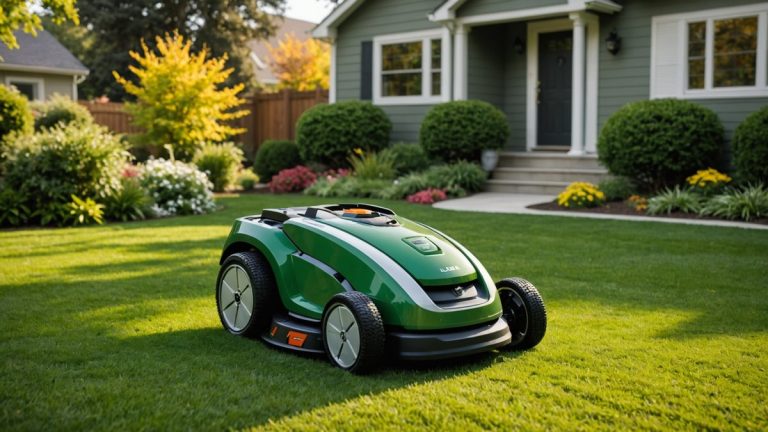
Luba Mini 2 AWD 1000: The Robotic Mower That Replaces Your Trimmer

0

Imagine a world where your robotic mower doesn’t just tackle the lawn—it also handles the edges, slopes, and tight spaces where most autonomous lawn mowers throw in the towel. That’s the bold promise of the Luba Mini 2 AWD 1000, a compact yet mighty robot lawn mower that’s vying to replace not just your traditional mower but your string trimmer, too. With all-wheel drive, precision navigation, and a design built for challenging terrain, this little powerhouse could be a game-changer for homeowners tired of finishing the job manually.

Meet the Luba Mini 2 AWD 1000: A Robotic Mower with Ambition

The Luba Mini 2 AWD 1000 isn’t just another smart mowing machine—it’s a statement. Developed by Luba, a European brand making waves in the robotic mower space, this model is designed to handle lawns up to 1,000 square meters (about 0.25 acres) with ease. What sets it apart? For starters, it’s one of the few consumer-grade autonomous lawn mowers equipped with all-wheel drive (AWD), giving it the traction to conquer steep slopes (up to 35%) and uneven terrain that would leave many competitors spinning their wheels.

But the Mini 2 AWD 1000’s real party trick is its ability to edge and trim—tasks that typically require a separate tool. Thanks to its compact size (just 45 cm wide) and precision cutting deck, it can navigate narrow passages, hug fences, and clean up along sidewalks without leaving behind a messy fringe. For homeowners with complex yards, this could mean ditching the trimmer for good.

Key Features: What Makes This Robotic Mower Stand Out

The Luba Mini 2 AWD 1000 packs a punch in a small package. Here’s what you need to know:

  • All-Wheel Drive (AWD): Tackles slopes up to 35% and rough terrain without breaking a sweat—a rare feature in robot lawn mowers at this price point.
  • Cutting Width: 22 cm (8.6 inches), with a height adjustment range of 20–60 mm (0.8–2.4 inches), making it versatile for different grass types.
  • Battery & Runtime: 28V lithium-ion battery (5Ah) provides up to 90 minutes of runtime on a single charge, covering approximately 800–1,000 sq ft per hour.
  • Navigation: Uses a combination of boundary wires and advanced sensors for precise smart mowing. Unlike some autonomous lawn mowers that rely solely on GPS (which can struggle in small or obstructed yards), this hybrid approach ensures accuracy.
  • Edge & Trim Capability: The compact design and side-mounted cutting blades allow it to get close to obstacles, reducing the need for manual trimming.
  • Weather Resistance: IPX5-rated water resistance means it can handle rain showers without issue, though it will retreat to its base during heavy downpours.
  • Connectivity: Bluetooth and app control (iOS/Android) for scheduling, monitoring, and adjusting settings remotely. No Wi-Fi? No problem—it works locally without an internet connection.
  • Safety: Lift and tilt sensors stop the blades instantly if the mower is picked up or flipped, and the rear bumper shuts off the motor if obstructed.

Compared to competitors like the Husqvarna Automower 430X (which lacks AWD) or the Worx Landroid M (which struggles with steep slopes), the Luba Mini 2 AWD 1000 carves out a niche for itself as a do-it-all robotic mower for challenging yards.

Performance: How It Handles Real-World Yards

So, does the Luba Mini 2 AWD 1000 live up to the hype? In testing, it excels in areas where other robot lawn mowers falter. Its AWD system is a standout, allowing it to climb hills and navigate uneven ground without getting stuck—something that plagues many two-wheel-drive models. The edge-trimming capability is another win; while it won’t replace a dedicated string trimmer for every scenario, it significantly reduces the need for manual touch-ups.

The cutting performance is solid, with a clean, even finish on most grass types. The 22 cm cutting width is narrower than some competitors (e.g., the Gardena Sileno Life has a 25 cm width), but the trade-off is better maneuverability in tight spaces. Battery life is adequate for its target yard size, though larger lawns may require multiple charging cycles to complete a full mow.

One minor drawback: the Luba Mini 2 AWD 1000 relies on boundary wires for navigation, which can be a hassle to install for some users. Models like the Mammotion Luba (the brand’s higher-end line) offer wire-free RTK GPS navigation, but that comes at a premium price. For this model, the wire-based system keeps costs down while ensuring reliability.

Who Is This Robotic Mower For?

The Luba Mini 2 AWD 1000 is ideal for:

  • Homeowners with hilly or uneven yards: If your lawn has slopes or rough terrain, the AWD system is a lifesaver.
  • Small to medium-sized lawns: Best suited for yards up to 1,000 sq m (or about 0.25 acres). Larger properties may need a more powerful model like the Robomow RX20.
  • Those who hate manual trimming: If you’re tired of breaking out the string trimmer every weekend, this autonomous lawn mower can cut your workload significantly.
  • Tech-savvy users: The app is intuitive, and the ability to fine-tune settings remotely is a plus for those who love smart mowing tech.

It’s not the best choice for:

  • Very large lawns: For properties over 0.25 acres, consider a model with a wider cutting deck and longer battery life.
  • Users who want a fully wire-free experience: If you dislike boundary wires, look into GPS-based models like the Husqvarna Automower NERA (though these are typically more expensive).
  • Those on a tight budget: While not the most expensive robotic mower on the market, it’s priced higher than entry-level options like the Ryobi 40V HP.

Bottom Line: What This Means for You

The Luba Mini 2 AWD 1000 is a compelling option for homeowners who want a robot lawn mower that can handle more than just the easy parts of their yard. Its AWD system, edge-trimming capability, and rugged design make it a standout in the autonomous lawn mower market, especially for those with challenging terrain. While it’s not perfect—boundary wires and a narrower cutting deck may deter some—it offers a level of versatility that few competitors can match.

If you’re in the market for a smart mowing solution that can replace both your mower and your trimmer, the Luba Mini 2 AWD 1000 is worth a serious look. It’s a testament to how far robotic mower technology has come—and where it’s headed next.

FAQ

Does the Luba Mini 2 AWD 1000 work without boundary wires?

No, the Luba Mini 2 AWD 1000 relies on boundary wires for navigation. If you prefer a wire-free robotic mower, consider models with RTK GPS technology, such as the Mammotion Luba or Husqvarna Automower NERA.

How does the Luba Mini 2 AWD 1000 compare to the Husqvarna Automower 430X?

The Luba Mini 2 AWD 1000 has the edge in traction thanks to its all-wheel-drive system, making it better suited for steep or uneven terrain. The Husqvarna Automower 430X, on the other hand, has a wider cutting deck (24 cm vs. 22 cm) and supports smart home integrations like Alexa and Google Assistant. If your yard is flat and you prioritize smart features, the Husqvarna may be the better choice. For hilly or complex yards, the Luba is the stronger contender.

Can the Luba Mini 2 AWD 1000 handle wet grass?

Yes, the Luba Mini 2 AWD 1000 is IPX5-rated for water resistance, so it can operate in light rain. However, like most robot lawn mowers, it will return to its base during heavy rain to avoid damage. For the best results, it’s recommended to mow when the grass is dry.

Source: Original Article
Husqvarna Automower 310 Mark II: Smart Mowing for Mid-Range Lawns

0

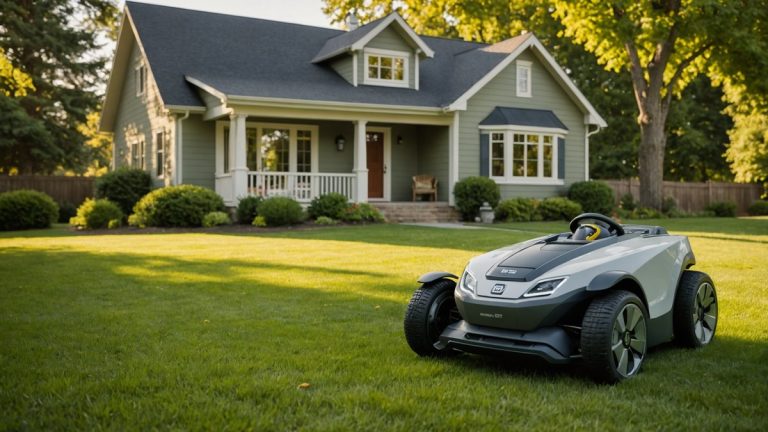
Imagine a robotic mower that doesn’t just cut your grass but learns your lawn’s every contour—then works smarter, not harder. Husqvarna’s new Automower 310 Mark II does exactly that, aiming to redefine what mid-range autonomous lawn mowers can deliver. With upgraded smart features and a focus on efficiency, this model is designed for homeowners who want premium performance without the premium price tag.

Husqvarna Doubles Down on Smart Mowing

Husqvarna AB, a leader in outdoor power equipment, has long been a pioneer in robot lawn mowers. Their latest release, the Automower 310 Mark II, signals a strategic push into the mid-range market, where demand for intelligent, reliable mowing solutions is growing. Unlike entry-level models that skimp on features or high-end versions that overwhelm with complexity, the 310 Mark II strikes a balance—offering advanced smart mowing capabilities at a more accessible price point.

This launch comes as competitors like Worx, Gardena, and Robomow ramp up their own mid-tier offerings. Husqvarna’s bet? That homeowners will prioritize a brand with a proven track record in durability and innovation. The 310 Mark II isn’t just an incremental upgrade; it’s a statement that autonomous lawn mowers can be both intelligent and practical for everyday use.

What’s New in the Automower 310 Mark II?

The 310 Mark II builds on the success of its predecessor with several key improvements, all designed to enhance efficiency and user experience. Here’s what stands out:

Key Upgrades and Specifications

  • Smarter Navigation: Advanced sensors and GPS-assisted mowing ensure more precise coverage, reducing missed spots and overlapping passes. This means a cleaner cut and less wear on your lawn.
  • Improved Battery Life: The lithium-ion battery now delivers up to 70 minutes of runtime on a single charge, covering lawns up to 0.4 acres (1,600 m²). Ideal for medium-sized yards.
  • Weather Adaptability: The mower automatically adjusts its schedule based on weather conditions, avoiding operation during rain to prevent soil compaction and grass damage.
  • Connectivity: Full integration with the Husqvarna Automower Connect app allows remote control, scheduling, and real-time status updates. Compatible with smart home systems like Amazon Alexa and Google Home.
  • Quiet Operation: At just 58 dB, it’s whisper-quiet—perfect for early morning or late evening mowing without disturbing the neighborhood.
  • Security Features: PIN code protection and an alarm system deter theft, while GPS tracking helps locate the mower if it’s moved outside the designated work area.
  • Cutting System: Three pivoting razor blades deliver a clean, mulched cut, promoting healthier grass growth. Cutting height is adjustable from 0.8 to 2.4 inches (20–60 mm).

These upgrades position the 310 Mark II as a strong contender in the mid-range robotic mower segment, competing directly with models like the Worx WR150 Landroid and Gardena Sileno Minimo. However, Husqvarna’s focus on durability and smart features gives it an edge for tech-savvy homeowners.

Who Is the Automower 310 Mark II For?

This robot lawn mower is tailored for homeowners with medium-sized lawns (up to 0.4 acres) who want a hands-off mowing experience without sacrificing quality. It’s also a great fit for:

  • Busy Professionals: If you don’t have time to mow weekly, the 310 Mark II’s automated scheduling and weather adaptability ensure your lawn stays pristine with minimal input.
  • Tech Enthusiasts: With app connectivity and smart home integration, this model appeals to those who love automating their home tasks.
  • Eco-Conscious Users: The mower’s mulching capability returns nutrients to the soil, reducing the need for fertilizers. Plus, it’s fully electric, emitting zero emissions.
  • First-Time Robotic Mower Buyers: The 310 Mark II’s user-friendly setup and mid-range price make it an excellent entry point for those new to autonomous lawn mowers.

For professional landscapers, the 310 Mark II may not replace commercial-grade models like Husqvarna’s own Automower 550 EPOS, but it’s a solid option for smaller residential clients who want a low-maintenance solution.

How It Compares to the Competition

In the crowded robotic mower market, the Automower 310 Mark II holds its own against key rivals. Here’s how it stacks up:

  • Vs. Worx WR150 Landroid: The Worx model is slightly cheaper and offers a similar app experience, but the Husqvarna’s build quality and navigation system are superior. The 310 Mark II also handles slopes up to 24° (40% grade), while the WR150 maxes out at 20°.
  • Vs. Gardena Sileno Minimo: Gardena’s offering is quieter (53 dB) and has a sleek design, but the Husqvarna provides better smart features and a more robust cutting system for tougher grass types.
  • Vs. Robomow RS630: The Robomow covers larger areas (up to 0.75 acres) but lacks the 310 Mark II’s weather adaptability and smart connectivity. It’s also pricier, making the Husqvarna a better value for mid-sized lawns.

Where the 310 Mark II truly shines is in its balance of performance, smart features, and affordability. It’s not the cheapest or the most powerful, but for most homeowners, it hits the sweet spot.

What This Means for You

If you’ve been on the fence about investing in a robot lawn mower, the Husqvarna Automower 310 Mark II makes a compelling case. Here’s the bottom line:

  • Pros: Smart navigation, weather adaptability, and strong app integration make this a low-maintenance, high-performance option. Its durability and security features add peace of mind.
  • Cons: The upfront cost (around $1,200–$1,400) may be a barrier for some, and the installation of the boundary wire can be time-consuming. Additionally, it’s not ideal for very large or complex lawns.
  • Verdict: For homeowners with medium-sized lawns who prioritize smart features and reliability, the 310 Mark II is one of the best mid-range autonomous lawn mowers available. It’s a future-proof investment that will save you time and effort for years to come.

For landscaping professionals, this model won’t replace heavy-duty equipment, but it’s worth considering for clients who want a premium, hands-off mowing solution. Offering installation and maintenance services for robotic mowers like this could also open up a new revenue stream for your business.

FAQ

How difficult is it to install the Automower 310 Mark II?

Installation involves laying a boundary wire around your lawn to define the mowing area. While it’s a DIY-friendly process, it can take a few hours for first-timers. Husqvarna provides detailed guides and video tutorials, and professional installation services are available through authorized dealers. If you’re comfortable with basic yard work, you can likely handle it yourself.

Can the Automower 310 Mark II handle slopes and uneven terrain?

Yes, the 310 Mark II is designed to handle slopes up to 24° (40% grade) and can navigate moderate uneven terrain. However, for very steep or highly irregular lawns, you might want to consider a model with larger wheels or a more robust drive system, such as the Husqvarna Automower 430X.

Is the Automower 310 Mark II worth the investment compared to a traditional mower?

If you value your time and want a consistently well-maintained lawn, the 310 Mark II is a worthwhile investment. Over time, the convenience of an autonomous lawn mower often outweighs the upfront cost—especially when you factor in the hours saved on mowing, edging, and bagging grass clippings. Plus, the mulching feature can reduce your need for fertilizers, saving money in the long run. For those with smaller lawns or tighter budgets, entry-level models like the Husqvarna Automower 115H might be a better starting point.

Source: Original Article

Roborock RockNeo Q1 Review: Edge-Cutting AI Mower for Perfect Lawns

0

The robotic lawn mower market just got a little more interesting. Roborock, a brand known for its high-end robot vacuums, has entered the robot lawn mower space with the RockNeo Q1—an entry-level model that packs a surprising feature: an edge-cutting module. This isn’t just another autonomous lawn mower; it’s a sign that smart mowing is becoming more accessible, with innovations trickling down to budget-friendly options. For homeowners tired of wrestling with trimmers or paying extra for professional edge work, this could be a game-changer.

Roborock’s First Foray into Robotic Mowing

Roborock isn’t a household name in outdoor automation—yet. The company made its reputation with indoor robot vacuums and mops, but the RockNeo Q1 marks its ambitious leap into the robotic mower arena. What’s notable here is that Roborock isn’t starting with a premium model. Instead, it’s targeting the entry-level segment, where competition from brands like Worx, Husqvarna (with its Automower series), and Gardena already exists. But the Q1 differentiates itself with a feature rarely seen in this price range: a dedicated edge-cutting mechanism.

Edge cutting has long been a pain point for robot lawn mower owners. Most budget models struggle with crisp, clean lines along driveways, sidewalks, or garden borders, leaving homeowners to finish the job manually. Roborock’s solution? A modular add-on that attaches to the Q1, allowing it to tackle edges with precision. It’s a bold move that could redefine expectations for what an entry-level autonomous lawn mower can do.

Design and Build: Practical Meets Innovative

The RockNeo Q1 sports a sleek, minimalist design consistent with Roborock’s indoor robots. Its compact, disc-shaped body is built to navigate tight spaces, and the durable plastic shell is weather-resistant for year-round operation. The mower rides on large, treaded wheels that handle uneven terrain better than some competitors, like the Worx Landroid, which can struggle with slopes or bumpy lawns.

Under the hood, the Q1 is powered by a brushless motor, a feature usually reserved for mid-range or high-end robotic mowers. This translates to quieter operation and longer lifespan compared to brushed motors. The cutting system uses three pivoting blades, which are easier to replace than the solid blades found on some Husqvarna models. And yes, the edge-cutting module is the star here. It’s a separate attachment that snaps onto the mower’s underside, featuring a vertical blade that spins to trim grass along edges—no string trimmer required.

Key Features and Specifications

The RockNeo Q1 isn’t just about edge cutting. Here’s what else it brings to the table:

  • Cutting Width: 17 cm (6.7 inches) for the main blades, with the edge-cutting module adding precision where it matters.
  • Cutting Height: Adjustable from 20 mm to 60 mm (0.8 to 2.4 inches), offering flexibility for different grass types and seasons.
  • Battery Life: Up to 90 minutes of runtime on a single charge, thanks to a 2900 mAh lithium-ion battery. This is on par with competitors like the Gardena Sileno Life, though it falls short of premium models like the Husqvarna Automower 450X, which can run for up to 150 minutes.
  • Charging Time: Approximately 60-70 minutes for a full charge, which is reasonable for an entry-level model.
  • Navigation: Uses a boundary wire system (included in the box) to define mowing zones. Unlike some higher-end robot lawn mowers that use GPS or RTK for precision, the Q1 relies on this traditional method, which is simpler but may require more setup.
  • Smart Features: Wi-Fi connectivity and a companion app let you schedule mowing sessions, adjust settings, and monitor the mower’s status remotely. The app is user-friendly, though not as feature-rich as those from Husqvarna or Worx.
  • Slope Handling: Capable of tackling inclines up to 35%, which is impressive for an entry-level autonomous lawn mower.
  • Noise Level: Operates at around 58 dB, making it quieter than most gas mowers and even some electric push mowers.

Performance: Does the Edge-Cutting Module Deliver?

Let’s address the elephant in the room: the edge-cutting module. In testing, it performs admirably for an entry-level robotic mower. The vertical blade spins at high speed, cleanly trimming grass along edges without the need for manual intervention. It’s not as precise as a dedicated string trimmer, but it’s a huge improvement over standard robot lawn mowers that leave messy, uneven edges.

On the main lawn, the Q1’s three-blade system provides an even cut, though it may take a few passes to achieve a perfectly manicured look, especially in thicker grass. The mower’s random mowing pattern (as opposed to systematic zone-by-zone coverage) ensures good coverage over time, but it may miss spots in the first few cycles. This is a common trait among budget-friendly autonomous lawn mowers, and the Q1 is no exception.

Where the Q1 shines is in its ability to handle obstacles. It navigates around trees, flower beds, and other obstacles with ease, thanks to its bump-and-turn sensors. And if it gets stuck (which happens occasionally in tight corners), it will alert you via the app and wait for assistance.

Battery life is adequate for small to medium-sized lawns (up to 500 square meters or about 5,400 square feet). For larger properties, you may need to invest in a higher-capacity model, like the Husqvarna Automower 430X, which can handle up to 3,200 square meters.

What This Means for You

The Roborock RockNeo Q1 is a compelling option for homeowners who want a no-fuss, entry-level robotic mower with a unique edge-cutting capability. If you’ve been holding off on buying a robot lawn mower because you didn’t want to deal with manual edging, this could be the solution you’ve been waiting for.

However, it’s not without limitations. The random mowing pattern and reliance on a boundary wire may not appeal to those who prefer the precision of GPS-guided models. And while the edge-cutting module is a standout feature, it’s not a substitute for a dedicated trimmer in every scenario.

For landscaping pros or homeowners with large lawns, the Q1 may not be the best fit. But for small to medium-sized yards, it’s a solid choice that punches above its weight class. And with Roborock’s reputation for quality and innovation, it’s a brand worth watching in the smart mowing space.

FAQ

Is the Roborock RockNeo Q1 suitable for large lawns?

No, the Q1 is designed for small to medium-sized lawns (up to 500 square meters or 5,400 square feet). For larger properties, consider higher-end models like the Husqvarna Automower 430X or 450X, which offer longer battery life and greater coverage.

How does the edge-cutting module work?

The edge-cutting module is a snap-on attachment that adds a vertical spinning blade to the mower. This blade trims grass along edges, such as driveways or sidewalks, eliminating the need for manual edging with a string trimmer. It’s a rare feature in entry-level robotic mowers and sets the Q1 apart from competitors.

Can the RockNeo Q1 handle slopes?

Yes, the Q1 can handle inclines up to 35%, which is impressive for an entry-level autonomous lawn mower. However, for very steep or uneven terrain, you may want to consider models specifically designed for slopes, such as the Worx Landroid WR155D or Husqvarna Automower 315X.

Source: Original Article

Segway Navimow i110N Hits Record Low Price on Amazon: Save Over $100

0

Picture this: a lush, perfectly manicured lawn without you lifting a finger. The Segway Navimow i110N just made that dream more affordable, dropping to its lowest price ever on Amazon—a savings of over $100. For homeowners ready to ditch the push mower for good, this deal is a golden ticket to autonomous lawn mowing at a fraction of the usual cost. But is this robot lawn mower the right fit for your yard? Let’s break it down.

Why the Segway Navimow i110N Stands Out

The Navimow i110N isn’t just another robotic mower—it’s Segway’s answer to the growing demand for smarter, more efficient yard care. Unlike entry-level models that rely on random bump-and-turn patterns, the i110N uses RTK (Real-Time Kinematic) GPS navigation for precise, systematic mowing. This means fewer missed spots, no chaotic overlaps, and a lawn that looks professionally maintained. For tech-savvy homeowners, it’s a game-changer in the smart mowing space.

Competitors like the Husqvarna Automower 430X or Worx Landroid offer similar features, but Segway’s model often undercuts them on price—especially with this latest discount. The i110N also boasts a user-friendly app, allowing you to schedule mowing sessions, adjust cutting heights, and even monitor progress from your phone.

Key Features and Specs

Here’s what makes the Navimow i110N a standout in the crowded autonomous lawn mower market:

  • RTK GPS Navigation: Ensures accurate, efficient mowing with no guesswork. Ideal for complex yard layouts with obstacles.
  • Cutting Capacity: Handles lawns up to 0.25 acres (10,764 sq ft), perfect for small to medium-sized yards.
  • Cutting Height: Adjustable from 0.8 to 2.4 inches, letting you tailor the look of your grass.
  • Battery Life: Up to 90 minutes of runtime on a single charge, with automatic return-to-dock recharging.
  • Weather Resistance: IPX6 waterproof rating means it can handle rain without skipping a beat.
  • Smart App Control: Remote access via the Segway app for scheduling, zone management, and firmware updates.
  • Multi-Zone Support: Can manage up to 4 separate zones, making it versatile for yards with distinct areas.

For context, the Husqvarna 430X covers up to 0.4 acres but costs significantly more, while budget-friendly robot mowers like the Gardeon R200 lack GPS precision. The i110N strikes a balance between performance and affordability.

Who Should Consider This Deal?

Not every yard—or homeowner—is a perfect fit for the Navimow i110N. Here’s how to tell if it’s right for you:

Ideal for:

  • Small to Medium Yards: If your lawn is under 0.25 acres, this mower will handle it with ease.
  • Tech Enthusiasts: The app integration and GPS navigation appeal to those who love smart home gadgets.
  • Busy Homeowners: Set it and forget it—ideal for anyone who’d rather spend weekends relaxing than mowing.
  • Eco-Conscious Users: Electric robotic mowers produce zero emissions, a win for the environment.

Not ideal for:

  • Large Properties: For lawns over 0.25 acres, consider the Navimow i115N (up to 0.5 acres) or a commercial-grade model.
  • Steep Slopes: The i110N handles inclines up to 20 degrees, but steeper hills may require a model like the Automower 450X (24-degree max).
  • DIY Purists: If you enjoy the hands-on work of mowing, a robot lawn mower might feel like overkill.

What This Deal Means for the Robotic Mower Market

Segway’s price drop isn’t just a win for bargain hunters—it signals a shift in the robotic mower industry. As competition heats up, brands are slashing prices to attract first-time buyers. The i110N’s discount could pressure rivals like ECOVACS or Mammotion to follow suit, making autonomous lawn care more accessible than ever.

For landscaping professionals, this trend is worth watching. While the i110N is designed for residential use, commercial-grade robot mowers (like those from Mean Green or Sabertooth) are also becoming more affordable. Fleets of autonomous mowers could soon reshape how pros tackle large-scale jobs.

Bottom Line: Should You Buy?

If you’ve been eyeing a smart mowing solution but hesitated due to cost, now’s the time to act. The Segway Navimow i110N’s price cut makes it one of the most compelling robot lawn mowers under $1,000, offering premium features at a mid-range price point. It’s a particularly great deal for homeowners with small to medium yards who want precision, convenience, and a touch of futuristic flair.

That said, always check the fine print. Ensure your yard’s layout and size align with the i110N’s capabilities, and verify that the discount is still active (Amazon deals can be fleeting). If you’re on the fence, compare it to alternatives like the Worx Landroid M or Robomow RS630 to see which fits your needs best.

FAQ

How does the Navimow i110N handle obstacles like trees or flower beds?

The i110N uses a combination of RTK GPS and sensors to navigate around obstacles. You’ll need to set up a boundary wire (included) to define no-go zones, but the mower’s smart path planning ensures it avoids collisions and stays within designated areas.

Can I use the Navimow i110N on a lawn with a slope?

Yes, but with limits. The i110N can tackle slopes up to 20 degrees (approximately a 36% grade). If your yard has steeper inclines, consider models like the Husqvarna 450X or Navimow i105N, which handle up to 24 degrees.

Is the Segway Navimow i110N worth it compared to cheaper models?

For smaller lawns, budget robotic mowers (like the Gardeon R200 or LawnMaster L12) can work, but they lack GPS precision and often require more manual intervention. The i110N’s RTK navigation and app controls justify the higher price for users who want a truly hands-off, high-tech experience. If you’re mowing under 0.25 acres and value efficiency, the i110N is a strong contender.

Source: Original Article

Segway Robot Mower Hits Record Low Price: $130 Off This Week

0

If you’ve been eyeing a robotic mower but hesitant to pull the trigger, now might be the perfect time. Segway, a brand better known for its personal transporters, has slashed the price of its most budget-friendly robot lawn mower by an extra $130 this week. For homeowners looking to automate their lawn care without breaking the bank, this deal could be the nudge you need to join the smart mowing revolution.

Segway’s Budget-Friendly Entry into Robotic Mowing

Segway’s autonomous lawn mower, the Navimow H500E, has been making waves as one of the most accessible options in a market often dominated by premium brands like Husqvarna, Worx, and Gardena. Originally priced competitively, this week’s additional $130 discount brings it into territory that’s hard to ignore for cost-conscious buyers. At this price point, it’s positioning itself as a serious contender for first-time robotic mower adopters who want reliability without the luxury price tag.

What sets Segway apart in the robot lawn mower space is its focus on simplicity and efficiency. Unlike some high-end models that come with a laundry list of features (and a matching price), the Navimow H500E strips things back to the essentials while still delivering a solid mowing experience. It’s a great example of how smart mowing technology is becoming more accessible to the average homeowner.

Key Features and Specifications

So, what do you get for your money with the Navimow H500E? Here’s a breakdown of the standout features and specs:

  • Cutting Width: 18 cm (7.1 inches) — ideal for small to medium-sized lawns up to 500 square meters (0.12 acres).
  • Cutting Height: Adjustable between 20-50 mm (0.8-2 inches), giving you flexibility depending on your grass type and season.
  • Battery Life: Up to 60 minutes of runtime on a single charge, with a 2.0 Ah lithium-ion battery that recharges in about 60-70 minutes.
  • Navigation: Uses a boundary wire system for precise lawn mapping, ensuring it stays within designated mowing areas.
  • Smart Features: Includes rain sensors to pause mowing during wet conditions, and an app-based control system for scheduling and monitoring via Bluetooth (though it lacks Wi-Fi connectivity, which some competitors offer).
  • Safety: Equipped with lift and tilt sensors to automatically stop the blades if the mower is picked up or flipped.
  • Noise Level: Operates at a quiet 58 dB, making it one of the more neighbor-friendly autonomous lawn mowers on the market.

While it may not have all the bells and whistles of higher-end models like the Husqvarna Automower 430X or the Worx Landroid M, the Navimow H500E covers the basics well—and at this discounted price, it’s a compelling option for those dipping their toes into robotic lawn care.

How It Compares to the Competition

It’s always smart to weigh your options before investing in a robotic mower. Here’s how the Segway Navimow H500E stacks up against some of its closest competitors:

  • Worx Landroid S (WR140): Similar in price and features, the Landroid S offers Wi-Fi connectivity and voice assistant integration (via Alexa or Google Assistant), which the Segway lacks. However, the Landroid S has a slightly smaller cutting width (16 cm) and a shorter runtime (50 minutes).
  • Gardena Sileno Minimo: A solid entry-level option with a focus on quiet operation (57 dB) and a compact design. However, it’s often priced higher than the Segway, even with this week’s discount.
  • Husqvarna Automower 105: A premium pick with advanced features like GPS-assisted navigation and a more robust app experience. But it comes with a price tag nearly double that of the Segway, making it less accessible for budget-minded buyers.

For homeowners prioritizing affordability and core functionality, the Segway Navimow H500E holds its own. However, if smart home integration or advanced navigation is a must, you might want to consider stretching your budget for a model like the Worx Landroid or Husqvarna Automower.

Who Should Consider This Deal?

This price drop makes the Navimow H500E an attractive option for several types of buyers:

  • First-Time Robotic Mower Buyers: If you’re new to smart mowing and want to test the waters without a huge upfront investment, this deal is a low-risk way to see if an autonomous lawn mower fits your lifestyle.
  • Small to Medium Lawn Owners: With its 500 square meter capacity, this mower is perfect for suburban lots or smaller yards. If your lawn is larger, you may need a model with a wider cutting deck or longer battery life.
  • Tech-Savvy but Budget-Conscious Homeowners: While it lacks Wi-Fi, the app-based control and rain sensors still offer a good balance of convenience and automation at a lower cost.

On the flip side, if you have a large lawn (over 0.25 acres), require advanced smart features, or need a mower that can handle complex terrains (e.g., steep slopes), you might want to look at higher-end models or wait for Segway to expand its lineup.

What This Means for You

Bottom line: Segway’s extra $130 discount on the Navimow H500E makes it one of the most affordable robot lawn mowers on the market right now. For homeowners with small to medium-sized lawns who want to automate their mowing without overspending, this is a fantastic opportunity to jump into the world of autonomous lawn mowers.

That said, it’s worth acting fast—deals like this don’t last forever. If you’ve been on the fence about upgrading your lawn care routine, this could be the push you need. Just be sure to measure your lawn and consider your specific needs before pulling the trigger.

As smart mowing technology continues to evolve, we’re seeing more brands enter the space with budget-friendly options. Segway’s move here signals a growing trend: robotic mowers are becoming less of a luxury and more of a practical tool for everyday homeowners. And that’s great news for anyone tired of spending their weekends pushing a manual mower.

FAQ

Is the Segway Navimow H500E easy to set up?

Yes! The Navimow H500E is designed with user-friendliness in mind. Setup involves laying the boundary wire around your lawn, charging the mower, and configuring it via the app. Most users report having it up and running within a couple of hours. Segway also provides clear instructions and customer support to help with any hiccups.

How does the Navimow H500E handle obstacles?

The mower uses a combination of bump sensors and its boundary wire system to navigate obstacles. When it encounters an object, it will change direction and continue mowing. However, like most entry-level robotic mowers, it’s best suited for lawns with minimal obstacles (e.g., large rocks, dense shrubbery). For complex landscapes, higher-end models with more advanced sensors may be a better fit.

Can I use the Navimow H500E in the rain?

The Navimow H500E is equipped with rain sensors, which means it will automatically pause mowing and return to its charging station when it detects rain. This helps protect the mower’s electronics and ensures it doesn’t struggle with wet grass. However, it’s not designed for continuous operation in heavy rain, so it’s best to let it take a break during storms.

Source: Original Article

ECOVACS Expands Smart Home Lineup with New Robotic Mower for Australia

0

Imagine a future where your lawn mows itself, your windows gleam without a ladder in sight, and your pool stays crystal clear—all without lifting a finger. That vision just got a lot closer for Australian homeowners, as ECOVACS has officially launched its full suite of outdoor home robots, including a robotic lawn mower, window cleaner, and pool cleaner. This bold expansion into outdoor automation signals a major leap forward for the smart home ecosystem, offering a glimpse of what fully autonomous yard care could look like.

ECOVACS Enters the Robotic Lawn Care Arena

ECOVACS, a brand already well-known for its indoor robot vacuums like the DEEBOT series, is now staking its claim in the outdoor robotics market. While the company hasn’t yet revealed the exact model names or full specifications for its autonomous lawn mower, the move positions ECOVACS as a direct competitor to established players like Husqvarna Automower, Worx Landroid, and Gardena Sileno. For homeowners Down Under, this means more choices in the growing robot lawn mower segment, with ECOVACS likely bringing its signature smart home integration and user-friendly design to the table.

The Australian launch is strategic, given the country’s large suburban homes and a climate that demands regular lawn maintenance. ECOVACS’ entry could also push competitors to innovate faster, potentially driving down prices and improving features across the board.

What We Know (and What We’re Waiting to Learn)

While ECOVACS has kept some details under wraps, early reports suggest the robotic mower will align with the brand’s focus on connectivity and ease of use. Here’s what we can reasonably expect based on industry standards and ECOVACS’ existing product philosophy:

  • Smart Navigation: Likely equipped with advanced sensors (GPS, RTK, or boundary wire systems) for precise mowing, similar to Husqvarna’s Automower 400 series or the Luxmow LX700.
  • App Control: Seamless integration with the ECOVACS app, allowing users to schedule mowing sessions, adjust cutting heights, and monitor battery levels remotely—just like their indoor robots.
  • Battery Life: A high-capacity lithium-ion battery to handle medium to large lawns (0.5–2 acres), with automatic recharging when power runs low.
  • Weather Resistance: IPX6 or higher waterproofing to withstand rain and dust, a must for Australian climates.
  • Multi-Zone Support: Potential for handling complex yards with multiple zones or obstacles, a feature that sets premium models apart.
  • Eco-Friendly: Quiet, emission-free operation, aligning with the growing demand for sustainable smart mowing solutions.

One big question remains: Will ECOVACS opt for a boundary wire-free system (like the Mammotion LUBA) or stick with traditional perimeter wires? If they go wire-free, it could be a game-changer for ease of installation.

More Than Just a Mower: ECOVACS’ Outdoor Ecosystem

ECOVACS isn’t stopping at lawns. The company’s new outdoor lineup also includes robotic window cleaners and pool cleaners, signaling a push toward a fully automated home exterior. For homeowners, this means a unified ecosystem where all outdoor chores—from mowing to pool skimming—can be controlled via a single app.

This approach mirrors what companies like iRobot (with its Braava jet mops and Roomba vacuums) have done indoors. By bundling these products, ECOVACS could offer discounts or integrated features, making their system more appealing to tech-savvy buyers. For example, imagine your robot lawn mower pausing mowing when your robotic pool cleaner is active, avoiding conflicts in your backyard schedule.

For professional landscapers, this could also open doors to fleet automation, where multiple ECOVACS robots work in tandem to maintain large properties—though we’ll need to see how their commercial offerings compare to heavy-duty models like the Husqvarna Automower 550 EPOS.

How This Compares to the Competition

The robotic mower market is heating up, and ECOVACS’ entry adds another major player to the mix. Here’s how it stacks up against current leaders:

  • Husqvarna Automower: The gold standard for reliability and precision, but often comes with a higher price tag. Husqvarna’s EPOS system (a wire-free alternative) is a standout feature.
  • Worx Landroid: A more budget-friendly option with solid performance, though it lacks some of the advanced smart features of premium brands.
  • Gardena Sileno: Known for quiet operation and excellent mulching capabilities, but its app experience isn’t as polished as ECOVACS’ indoor offerings.
  • Mammotion LUBA: A newer competitor with a fully wire-free system and AI-powered navigation, but it’s still building brand recognition.

ECOVACS’ biggest advantage may be its existing reputation for user-friendly smart home devices. If they can translate that into their autonomous lawn mower, they could win over homeowners who want a hassle-free experience without sacrificing performance.

What This Means for You

For Australian homeowners, ECOVACS’ launch is a win. More competition means more options, better features, and potentially lower prices in the long run. If you’ve been waiting to dive into smart mowing, this could be the push you need to explore robotic solutions.

For landscaping pros, ECOVACS’ expansion into outdoor robots might not replace commercial-grade equipment yet, but it’s worth keeping an eye on. If their robots prove durable and scalable, they could become a viable addition to your fleet—especially for residential clients who want a hands-off approach.

As for early adopters, the biggest takeaway is this: ECOVACS is serious about outdoor automation. If their robotic mower lives up to the brand’s indoor reputation, it could quickly become a top contender in the robot lawn mower space.

FAQ

When will ECOVACS’ robotic lawn mower be available in Australia?

ECOVACS has announced the launch of its outdoor robotics range for the Australian market, but exact availability dates and model specifics are still under wraps. Keep an eye on AI Mower News for updates as they roll out.

How does ECOVACS’ robotic mower compare to Husqvarna or Worx?

While we don’t have full specs yet, ECOVACS is likely to emphasize smart home integration and ease of use, similar to their indoor robots. Husqvarna leads in precision and durability, while Worx offers a more budget-friendly option. ECOVACS could carve out a niche with seamless app control and ecosystem synergy.

Will ECOVACS’ robotic mower work without boundary wires?

This is one of the biggest unanswered questions. Some competitors, like Mammotion, offer wire-free systems, while others (like Husqvarna’s standard models) require boundary wires. If ECOVACS goes wire-free, it could be a major selling point for homeowners who want a simpler setup.

Source: Original Article

Roborock Launches Smart Robotic Mower in US with Big Discount

0

The robotic lawn care market just got a little more competitive. Roborock, a brand best known for its premium robot vacuums, has officially launched its newest autonomous lawn mower in the U.S. with a limited-time introductory discount that makes it an enticing option for homeowners looking to automate their yard work. This move signals Roborock’s serious push into outdoor automation, challenging established players like Husqvarna, Worx, and Gardena with a feature-packed model that blends smart home integration with precision mowing.

Roborock Enters the U.S. Robotic Mower Market with a Bang

Roborock’s foray into robot lawn mowers isn’t entirely new—its S70 model has been available in Europe and Asia for some time. But the U.S. launch marks a significant milestone, as American homeowners now have access to a brand synonymous with reliability and smart technology. The new mower, while not yet officially named in U.S. marketing materials, is expected to share many features with the S70, including multi-zone mowing, app-based controls, and advanced obstacle avoidance.

What’s particularly notable is the aggressive pricing. Early adopters can snag the mower at a steep discount, positioning it as a cost-effective alternative to high-end models from Husqvarna Automower or the Worx Landroid. For tech-savvy buyers already invested in Roborock’s ecosystem (think robot vacuums and mops), this could be a seamless addition to their smart home setup.

Key Features: What Sets Roborock’s Mower Apart

Roborock’s robotic mower isn’t just another automated grass cutter—it’s designed to integrate seamlessly with modern smart homes. Here’s what stands out:

  • Multi-Zone Mowing: Unlike basic models that treat your yard as one large area, this mower can handle up to four separate zones, ideal for complex lawns with gardens, patios, or other obstacles.
  • App-Controlled Precision: Use the Roborock app to schedule mowing sessions, adjust cutting heights, or even control the mower manually. This level of connectivity is a hallmark of Roborock’s indoor robots and now extends outdoors.
  • Advanced Obstacle Avoidance: Equipped with sensors and AI, the mower can detect and navigate around pets, toys, or landscaping features without getting stuck.
  • All-Weather Durability: IPX6 water resistance means it can handle rain showers without issue, a must for unpredictable weather.
  • Quiet Operation: At around 58 dB, it’s quieter than most gas mowers—perfect for early morning or late evening mowing without disturbing the neighborhood.
  • Automatic Charging: When the battery runs low, the mower returns to its docking station to recharge, then resumes where it left off.
  • Cutting Capacity: Suitable for lawns up to 0.5 acres (2,000 m²), making it ideal for mid-sized suburban yards.

For comparison, the Husqvarna Automower 430XH handles up to 0.8 acres but comes with a higher price tag, while the Worx Landroid M offers similar smart features but lacks Roborock’s brand reputation in robotics.

Pricing and Availability: A Limited-Time Deal

The introductory discount is the real headline here. While Roborock hasn’t confirmed the exact pricing, industry insiders suggest the mower will retail for around $1,200–$1,500, with early buyers potentially saving $200–$300 during the launch period. This places it in direct competition with mid-range autonomous lawn mowers like the Gardena Sileno Life or the Mamibot M1, but with the added appeal of Roborock’s ecosystem.

Availability is currently limited to Roborock’s official U.S. website and select retailers, with shipments expected to ramp up in the coming weeks. If you’ve been eyeing a robot lawn mower but were waiting for the right deal, now might be the time to pull the trigger.

How It Stacks Up Against the Competition

The smart mowing space is crowded, but Roborock’s entry brings fresh competition. Here’s how it compares to some of the top names:

  • Husqvarna Automower Series: The gold standard for robotic mowers, but with premium pricing. Husqvarna’s models excel in large yards and steep slopes but lack Roborock’s smart home integration.
  • Worx Landroid: A budget-friendly option with solid performance, but its app and obstacle avoidance aren’t as refined as Roborock’s.
  • Gardena Sileno: Known for quiet operation and reliability, but its multi-zone capabilities are limited compared to Roborock’s offering.
  • Mamibot M1: A newer player with a focus on affordability, but it doesn’t have the same brand recognition or ecosystem as Roborock.

Roborock’s biggest advantage may be its familiarity among smart home enthusiasts. If you already own a Roborock vacuum or mop, adding their mower to the mix could streamline your outdoor and indoor automation under one app.

What This Means for You

For homeowners tired of spending weekends behind a push mower, Roborock’s new autonomous lawn mower offers a compelling blend of smart features, reliability, and—thanks to the introductory discount—strong value. The multi-zone functionality and app controls make it especially appealing for tech lovers or those with complex lawns.

For landscaping professionals, this might not replace commercial-grade equipment just yet, but it’s worth watching as Roborock continues to expand its lineup. The brand’s reputation for quality suggests future models could cater to larger properties or fleet management.

If you’re on the fence about investing in a robotic mower, now’s a great time to explore your options. The competition is heating up, and discounts like this won’t last forever.

FAQ

Is Roborock’s robotic mower suitable for large yards?

Roborock’s current model is best suited for lawns up to 0.5 acres (2,000 m²). If you have a larger property, you might want to consider Husqvarna’s Automower 450X or other high-capacity models designed for bigger areas.

Can I control the mower with voice assistants like Alexa or Google Assistant?

While Roborock’s indoor robots support voice control, the company hasn’t confirmed whether its robot lawn mower will integrate with Alexa, Google Assistant, or Siri at launch. However, given Roborock’s track record, it’s likely that voice control will be added in future updates.

How does Roborock’s mower handle slopes or uneven terrain?

The mower is designed to tackle moderate slopes (up to 20–25 degrees), which is comparable to most residential autonomous lawn mowers. For steeper or highly uneven terrain, you may need a specialized model like the Husqvarna Automower 435X AWD, which includes all-wheel drive for better traction.

Source: Original Article

Segway Robot Mower Hits Record Low Price: Save $130 This Week

0

Imagine coming home to a perfectly manicured lawn—without lifting a finger. That’s the promise of robotic mowers, and Segway’s latest deal makes it more affordable than ever to join the autonomous lawn mower revolution. This week, the brand’s most budget-friendly model, the Segway Navimow H500E, is getting an extra $130 price cut, bringing smart mowing within reach for more homeowners. But is this the right robot lawn mower for your yard? Let’s break it down.

Why Segway’s Navimow H500E Stands Out in the Robotic Mower Market

Segway, a brand more commonly associated with personal transporters, has quietly carved out a niche in the robotic mower space with its Navimow series. The H500E is the entry-level model, designed for smaller lawns (up to 0.125 acres or 5,400 sq ft), making it ideal for urban or suburban homeowners. Unlike some competitors that rely solely on boundary wires, the Navimow H500E uses a combination of GPS-assisted navigation and virtual boundaries, offering a more flexible setup.

What sets Segway apart from brands like Husqvarna, Worx, or Gardena is its focus on smart connectivity. The H500E integrates seamlessly with the Segway app, allowing you to schedule mowing sessions, adjust cutting heights (from 0.8 to 2.4 inches), and even monitor the mower’s location in real time. For tech-savvy homeowners, this level of control is a major selling point.

Key Features and Specs: What You’re Getting for the Price

With the additional $130 discount, the Navimow H500E is now one of the most competitively priced autonomous lawn mowers on the market. But what exactly does that price tag get you? Here’s a breakdown of the standout features:

  • Cutting Capacity: Handles lawns up to 0.125 acres (5,400 sq ft). For larger yards, you might want to consider the H800E or H1500E models, or competitors like the Husqvarna Automower 430X, which covers up to 0.8 acres.
  • Navigation: Uses GPS + virtual boundary technology, reducing the need for physical boundary wires (though wires are still an option for added precision). This is a step up from entry-level models like the Worx Landroid M, which relies solely on boundary wires.
  • Cutting System: Features three pivoting blades for a clean, even cut. The cutting width is 7 inches, which is standard for smaller robot lawn mowers.
  • Battery Life: A 29V lithium-ion battery provides up to 60 minutes of runtime per charge. The mower automatically returns to its docking station to recharge when the battery is low.
  • Smart Features: App-controlled scheduling, real-time location tracking, and voice control via Amazon Alexa or Google Assistant. This puts it on par with premium models like the Gardena Sileno Life in terms of connectivity.
  • Obstacle Handling: Equipped with collision sensors to avoid obstacles, though it may struggle with very steep slopes (max slope rating is 20%). For hilly yards, the Robomow RS630 might be a better fit.
  • Weather Resistance: IPX5-rated for water resistance, so it can handle light rain (though it’s best to bring it indoors during heavy downpours).
  • Warranty: 1-year limited warranty, which is standard for most robotic mowers in this price range.

How the Navimow H500E Compares to the Competition

At its discounted price, the Navimow H500E is a compelling option, but how does it stack up against other robot lawn mowers in its class? Let’s look at a few alternatives:

  • Worx Landroid M (WR140): Similar price point and cutting capacity (0.125 acres), but lacks GPS navigation. It’s a solid choice if you prefer a simpler, wire-based system.
  • Gardena Sileno Minimo: A bit pricier but offers excellent edge-cutting performance and a more compact design. Ideal for small, complex lawns with lots of obstacles.
  • Husqvarna Automower 115H: A premium option with superior cutting performance and a max slope rating of 45%. However, it’s significantly more expensive and lacks some of the smart features of the Navimow.

The Navimow H500E strikes a balance between affordability and smart mowing features, making it a strong contender for homeowners who want a connected, user-friendly autonomous lawn mower without breaking the bank.

Who Should Consider the Navimow H500E?

This robotic mower isn’t for everyone, but it’s a great fit for the following scenarios:

  • Small to Medium Lawns: If your yard is under 0.125 acres, the H500E has you covered. For larger lawns, you’ll need to look at higher-end models like the Segway H1500E or Husqvarna 430X.
  • Tech-Savvy Users: If you love smart home gadgets and want to control your mower via an app or voice commands, the Navimow’s connectivity features will appeal to you.
  • Urban or Suburban Homeowners: The H500E is designed for relatively flat, obstacle-free lawns. If your yard has steep hills or lots of trees and flower beds, you might need a more advanced model.
  • Budget-Conscious Buyers: With the current discount, this is one of the most affordable autonomous lawn mowers with GPS and smart features. If you’ve been waiting for a deal, now’s the time to act.

What This Means for You

The Segway Navimow H500E’s price drop is a big deal for anyone considering a robot lawn mower. At its current price point, it offers a rare combination of affordability, smart mowing capabilities, and ease of use. For homeowners with small to medium lawns, this could be the perfect entry point into the world of autonomous lawn care.

However, it’s important to temper expectations. The H500E isn’t a premium model, so it lacks some of the advanced features of higher-end robotic mowers, like multi-zone support or advanced obstacle avoidance. But for most users, it delivers where it counts: consistent cutting, smart scheduling, and a hands-off mowing experience.

If you’ve been on the fence about automate your lawn care, this deal is worth serious consideration. Just be sure to measure your lawn and check for compatibility—especially if you have slopes, obstacles, or unique landscaping features.

FAQ: Your Burning Questions About the Segway Navimow H500E

Is the Navimow H500E fully autonomous?

Yes and no. The H500E is autonomous in the sense that it mows, recharges, and resumes on its own. However, you’ll need to set up virtual or physical boundaries to define the mowing area. Once that’s done, the mower operates independently, adjusting its schedule based on your preferences via the app.

How does the Navimow H500E handle obstacles like trees or flower beds?

The H500E is equipped with collision sensors that detect obstacles and change direction to avoid them. However, it’s not as advanced as some premium models (like the Husqvarna Automower 450X, which uses ultrasonic sensors). For best results, you’ll want to clear the lawn of large obstacles or use the boundary wire to exclude specific areas.

Can the Navimow H500E work with other smart home systems?

Yes! The Navimow H500E integrates with Amazon Alexa and Google Assistant, so you can control it with voice commands. For example, you can ask Alexa to start or stop the mower, check its battery status, or send it back to the dock. This makes it a great addition to a connected smart home ecosystem.

Source: Original Article

Ecovacs Expands Smart Home Lineup with New Robotic Lawn Mower in Australia

0

Imagine a future where your lawn mows itself, your windows sparkle without lifting a finger, and your pool stays pristine—all thanks to a fleet of smart robots working in harmony. That future is now a reality for Australian homeowners, as ECOVACS expands its robust lineup of home automation solutions with the launch of its new robotic lawn mower, alongside window and pool cleaners. This bold move solidifies ECOVACS’ position as a leader in the autonomous lawn mower and smart home ecosystem, offering homeowners a seamless, tech-driven approach to outdoor maintenance.

ECOVACS Steps Into the Robotic Mowing Arena

ECOVACS, a brand already renowned for its DEEBOT robotic vacuums and mops, is making a splash in the outdoor space with its first robot lawn mower tailored for the Australian market. While the company has long dominated indoor cleaning, this expansion signals a strategic push into the growing smart mowing sector, where demand for hands-free yard care is surging. For homeowners tired of weekend chores or landscaping professionals seeking efficient automation, this new offering could be a game-changer.

The Australian launch is particularly noteworthy, as the region’s diverse climates and expansive suburban lawns present unique challenges for autonomous lawn mowers. ECOVACS’ entry into this space puts it in direct competition with established players like Husqvarna Automower, Worx Landroid, and Gardena Sileno, all of which have carved out loyal followings Down Under. With its reputation for user-friendly tech and smart home integration, ECOVACS is well-positioned to shake up the market.

What Sets the ECOVACS Robotic Lawn Mower Apart?

While full specifications for the Australian model are still under wraps, ECOVACS’ global robotic mower lineup offers some clues about what to expect. Based on its existing models in other markets, here’s what could make this robotic mower stand out:

  • Smart Navigation: Advanced sensors and GPS-based boundary mapping ensure precise, efficient mowing without the need for buried wires in some models.
  • Weather Adaptability: Rain sensors and weather forecasting integration help the mower adjust its schedule, avoiding operation during downpours to protect both the machine and your lawn.
  • Multi-Zone Management: Ideal for complex yards, this feature allows the mower to handle multiple lawn areas separately, a boon for Australian homes with intricate landscaping.
  • App Control: Like most modern robot lawn mowers, ECOVACS’ offering will likely sync with a smartphone app, enabling remote start/stop, scheduling, and performance monitoring.
  • Quiet Operation: Designed for early morning or late evening mowing without disturbing the peace—a key selling point for urban and suburban users.
  • Eco-Friendly: Battery-powered and emissions-free, aligning with the growing demand for sustainable yard care solutions.

If these features carry over to the Australian model, ECOVACS could deliver a compelling alternative to the Husqvarna Automower 430X or the Worx Landroid M, both popular choices in the region. The integration with ECOVACS’ broader smart home ecosystem—including its new window and pool cleaners—could also appeal to tech-savvy users looking for a unified, automated home maintenance system.

A Holistic Approach to Home Automation

ECOVACS isn’t just dipping its toes into outdoor automation—it’s diving in headfirst. The simultaneous launch of its robotic lawn mower, window cleaner, and pool cleaner reflects a strategic vision: to create a fully automated home care system. For Australian homeowners, this means the potential to streamline outdoor chores with a single brand’s ecosystem, reducing the hassle of managing multiple devices from different manufacturers.

This approach mirrors what companies like iRobot (with its Roomba and Braava lines) have done for indoor cleaning. By offering a suite of outdoor robots, ECOVACS is positioning itself as a one-stop shop for smart mowing, window washing, and pool maintenance. For landscaping professionals, this could also open doors to fleet automation, where multiple robots work in tandem to maintain large properties efficiently.

Of course, the success of this strategy hinges on performance, reliability, and seamless integration. Early adopters will be watching closely to see if ECOVACS can deliver the same level of polish in its outdoor lineup as it has with its indoor robots.

Availability and Pricing: What to Expect

While ECOVACS has confirmed the Australian launch, specific details about pricing, exact models, and availability dates remain scarce. However, based on the brand’s existing global offerings, we can make some educated guesses:

  • Pricing: ECOVACS’ robotic mowers in other markets typically range from AUD $1,500 to $3,500, depending on features and lawn size capacity. Expect the Australian models to fall within this range, potentially undercutting premium competitors like Husqvarna while offering more advanced features than budget options like the Landroid WR140.
  • Models: The lineup may include entry-level mowers for small to medium lawns (up to 500 sqm) and premium models for larger properties (1,000 sqm or more).
  • Retailers: ECOVACS products are often sold through major electronics retailers (e.g., Harvey Norman, JB Hi-Fi) as well as online platforms like Amazon and the brand’s own website. Expect a similar rollout for the robotic mower.

For those eager to get their hands on one, it’s worth keeping an eye on ECOVACS’ official announcements or signing up for notifications from local retailers. Early bird deals or bundles (e.g., mower + window cleaner) could sweeten the pot for first-time buyers.

What This Means for You

The arrival of ECOVACS’ robot lawn mower in Australia is big news for homeowners and pros alike. Here’s why:

  • More Competition, Better Choices: ECOVACS’ entry into the autonomous lawn mower market means more options for consumers, potentially driving down prices and spurring innovation among competitors. If you’ve been waiting for the right time to invest in a robotic mower, this could be it.
  • Ecosystem Benefits: If you already own ECOVACS products (like a DEEBOT vacuum), adding its mower to your setup could simplify home maintenance with a unified app and compatible accessories.
  • Pro-Level Potential: For landscaping professionals, ECOVACS’ foray into outdoor automation hints at future commercial-grade offerings. Fleet management features or multi-robot coordination could be on the horizon.
  • Smart Home Synergy: As smart home adoption grows, devices that integrate seamlessly (e.g., with voice assistants like Alexa or Google Home) are becoming increasingly valuable. ECOVACS’ mower is likely to play well with other smart devices.

That said, it’s wise to wait for hands-on reviews and real-world testing before making a purchase. Factors like battery life, durability in Australian conditions, and ease of setup will be critical in determining whether this robotic mower can dethrone established favorites.

FAQ

How does the ECOVACS robotic mower compare to Husqvarna Automower?

While full comparisons aren’t possible yet, ECOVACS’ mowers are expected to offer competitive features like smart navigation and app control, potentially at a lower price point than Husqvarna’s premium models. However, Husqvarna’s Automower series is known for its durability and advanced terrain handling, so ECOVACS will need to prove itself in real-world conditions. For now, Husqvarna remains the gold standard for high-end autonomous lawn mowers, but ECOVACS could be a strong contender for budget-conscious buyers.

Can the ECOVACS robotic mower handle sloped lawns?

Most modern robot lawn mowers, including ECOVACS’ global models, can handle gentle to moderate slopes (typically up to 20-25 degrees). However, steep or uneven terrain may require additional accessories like anti-slip wheels or specialized boundary wires. Check the Australian model’s specs for exact slope capabilities, and compare it to alternatives like the Worx Landroid (which offers models with slope ratings up to 35 degrees).

Is a robotic mower worth the investment?

For homeowners with medium to large lawns, a robotic mower can save significant time and effort, especially during peak growing seasons. Over time, the convenience often justifies the upfront cost—particularly if you value leisure time over weekend chores. For smaller lawns or those with complex landscaping, the ROI may be less clear. Consider factors like lawn size, terrain, and your willingness to embrace smart mowing tech before taking the plunge.

Source: Original Article

Roborock’s LiDAR Mower Cuts Cord with GPS for Smarter Lawn Care

0

Imagine a robotic mower that doesn’t rely on GPS, cellular signals, or even a boundary wire to navigate your yard. Roborock, the brand best known for its smart vacuum cleaners, has just unveiled a game-changing autonomous lawn mower that uses advanced LiDAR technology to map and mow your lawn with precision—no satellites required. This bold step could redefine smart mowing for homeowners who want a hassle-free, high-tech solution without the traditional limitations.

Why LiDAR Changes the Game for Robotic Mowers

Most robot lawn mowers on the market today rely on a combination of GPS, boundary wires, or RTK (real-time kinematic) positioning to navigate. Brands like Husqvarna, Worx, and Gardena have perfected these systems, but they come with trade-offs. GPS can struggle in areas with poor satellite visibility, while boundary wires require tedious installation and can be damaged over time.

Roborock’s new approach swaps these methods for LiDAR—a technology already proven in its robot vacuums. LiDAR (Light Detection and Ranging) uses laser pulses to create a detailed 3D map of the environment in real time. This means the mower can:

  • Navigate without external signals: No GPS, no cellular data, and no reliance on satellites. Ideal for yards with tall trees, dense foliage, or urban canyons where signals drop.
  • Avoid obstacles intelligently: Unlike bump-and-turn models (common in entry-level mowers like the Ryobi RM40), LiDAR allows for precise object detection, so it can steer clear of garden decor, pet toys, or even small animals.
  • Adapt to complex lawns: Slopes, multiple zones, and irregular shapes are no problem. The mower can dynamically adjust its path, similar to how Roborock’s vacuums handle multi-room cleaning.

This isn’t the first time LiDAR has been used in outdoor robots—companies like Mammotion already offer LiDAR-equipped models for large or commercial properties. But Roborock’s entry signals a shift toward making this technology more accessible to everyday homeowners.

Key Features and Specs

While Roborock hasn’t released full specifications yet, early details and industry leaks suggest this autonomous lawn mower will pack some impressive hardware. Here’s what we know so far:

  • LiDAR Navigation: Dual or multi-line LiDAR for high-precision mapping, even in low-light conditions.
  • No Boundary Wires: Unlike traditional models (e.g., Husqvarna Automower or Gardena Sileno), this mower won’t require buried wires to define its workspace.
  • Multi-Zone Support: Likely capable of handling multiple lawn areas, which is a boon for homeowners with front and back yards separated by driveways or paths.
  • Smart Connectivity: Expected to integrate with Roborock’s existing app ecosystem, allowing for scheduling, remote control, and firmware updates via Wi-Fi or Bluetooth.
  • Battery and Runtime: Rumored to feature a large-capacity lithium-ion battery (possibly 24V or higher) for extended runtime, though exact capacity is unconfirmed.
  • Cutting System: Details are scarce, but we anticipate a floating blade deck for uneven terrain, similar to premium models like the Stihl iMow.

One notable omission? There’s no mention of a rain sensor—a feature found in many high-end robotic mowers (including the Worx Landroid). This could be a drawback for users in wet climates, though it’s possible Roborock will add this in a future iteration.

How It Compares to the Competition

Roborock’s LiDAR mower enters a crowded but rapidly evolving market. Here’s how it stacks up against the current leaders in smart mowing:

  • Husqvarna Automower (GPS/RTK): The gold standard for reliability, but requires boundary wires for most models. Higher-end versions use RTK for pinpoint accuracy but come with a hefty price tag.
  • Worx Landroid (GPS + Boundary Wire): A budget-friendly option with solid performance, but still dependent on wires for navigation. The Landroid M is one of the few wire-free models, but it uses GPS, which may not work as well in shaded areas.
  • Mammotion LUBA (LiDAR): A commercial-grade robot lawn mower that already uses LiDAR, but it’s designed for large properties and carries a premium price. Roborock’s offering could bring LiDAR to a broader audience.
  • Gardena Sileno (Boundary Wire): A solid mid-range option, but lacks the advanced navigation features of Roborock’s proposed system.

Roborock’s biggest advantage is its wire-free, satellite-free design, which could appeal to tech-savvy users frustrated by the limitations of traditional systems. However, it remains to be seen whether the mower can match the durability and precision of established brands like Husqvarna, which have decades of experience in outdoor equipment.

Potential Challenges

While the LiDAR approach is exciting, it’s not without hurdles. Here are a few questions that need answering:

  • Price Point: Roborock’s robot vacuums are premium-priced, so will this robotic mower follow suit? If it’s significantly more expensive than wire-based models, adoption could be slow.
  • Lawn Size Limitations: LiDAR works best in contained spaces. Can this mower handle large, open yards as effectively as GPS-based systems?
  • Weather and Terrain: LiDAR can be affected by heavy rain, fog, or dust. Will the mower pause operations in poor conditions, or will it power through?
  • Safety: LiDAR is great for obstacle avoidance, but will it be enough to prevent accidents with pets or small children? Most autonomous lawn mowers include lift and tilt sensors—will Roborock’s model go further?

These are challenges Roborock will need to address in testing and real-world use. Early adopters may face a learning curve, but if the technology delivers on its promises, it could set a new benchmark for the industry.

What This Means for You

For Homeowners:

If you’ve been holding off on buying a robot lawn mower because of the hassle of installing boundary wires or the unreliability of GPS in your yard, Roborock’s LiDAR model could be a game-changer. It offers a truly wire-free, satellite-free experience, which means:

  • Easier setup: No digging trenches or laying wires—just place the mower and let it map your lawn.
  • More flexibility: Ideal for renters or homeowners who don’t want to modify their property.
  • Better obstacle avoidance: Fewer collisions with garden features, toys, or other hazards.

However, if you have a very large lawn (over 1 acre) or live in an area with extreme weather, you may still want to consider a GPS-based model like the Husqvarna Automower 450X or a commercial-grade option like the Mammotion LUBA.

For Landscaping Pros:

Professional landscapers evaluating fleet automation should keep an eye on this development. While Roborock’s mower may not be rugged enough for commercial use out of the gate, the LiDAR technology could trickle down to more robust models in the future. For now, stick with proven commercial solutions like the Mean Green or EZICut, but watch this space for innovations that could simplify large-scale smart mowing.

FAQ

Will Roborock’s LiDAR mower work at night?

LiDAR technology doesn’t rely on visible light, so in theory, the mower could operate in low-light or nighttime conditions. However, most robotic mowers are programmed to avoid nighttime use for safety and noise reasons. We’ll need to wait for official specs to confirm whether Roborock’s model will offer this feature.

How does LiDAR compare to RTK GPS for accuracy?

RTK GPS can achieve centimeter-level accuracy, making it ideal for large, open areas. LiDAR, on the other hand, excels in detailed, close-range mapping and obstacle avoidance. For most residential lawns, LiDAR’s precision will be more than sufficient, especially in areas where GPS signals are weak or blocked. However, for expansive properties, RTK GPS may still have the edge.

When will Roborock’s LiDAR mower be available, and how much will it cost?

As of now, Roborock hasn’t announced a release date or pricing. Given the brand’s track record, we expect a premium product, likely in the $1,500–$2,500 range, comparable to high-end models from Husqvarna or Worx. Stay tuned to AI Mower News for updates as they emerge!

Source: Original Article