


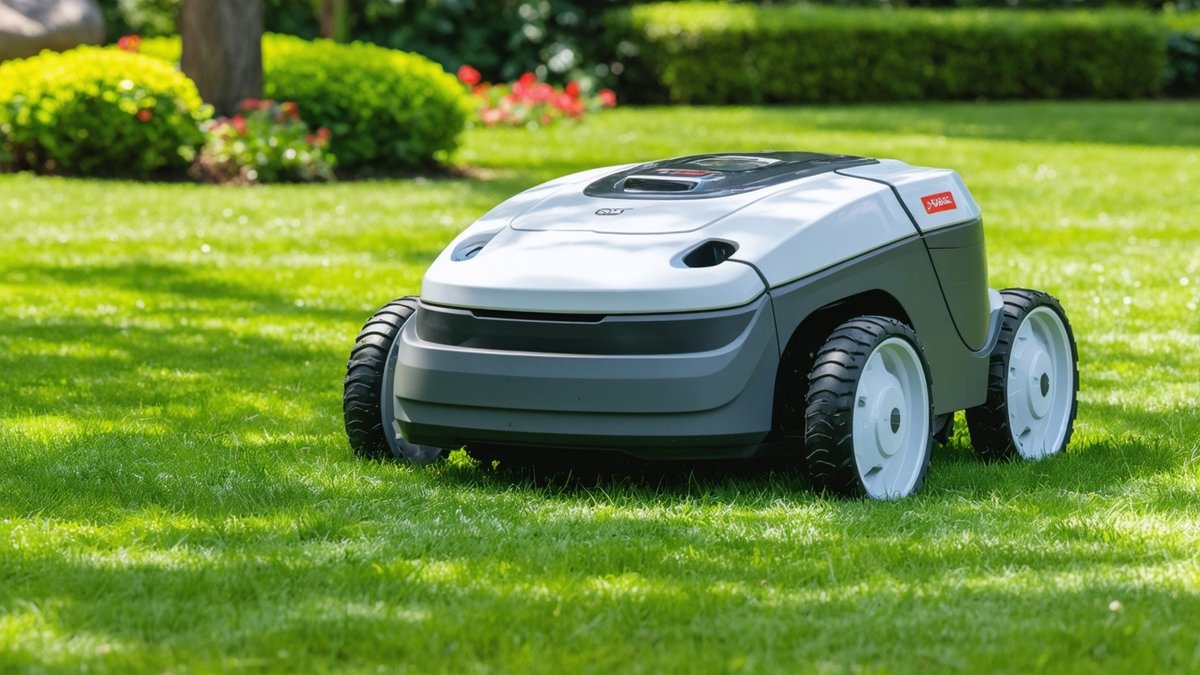
Robot Mower Buyer’s Guide 2026: Everything You Need to Know Before You Buy
If you’re ready to stop spending weekends pushing a mower, the big question isn’t whether to buy a robot mower — it’s which one will actually work in your yard. The best robot mower 2026 for a flat suburban lawn may be a terrible fit for a hilly property, a complex landscape, or a pro fleet managing multiple sites. This robot mower buying guide breaks down the real decision factors so you can choose confidently the first time.
In 2026, robot mowers are better than ever: boundary-wire models are still the value kings, while camera- and RTK GPS-based systems are making setup easier and mowing patterns smarter. But the category is still confusing, and specs like “max area” or “slope rating” don’t tell the whole story. Here’s how to choose robot mower technology that matches your yard, budget, and expectations.
1) Navigation Type: Boundary Wire vs. Wireless vs. Vision
The first and most important decision is how the mower knows where to go. Navigation affects setup time, reliability, and how well the mower handles tricky layouts.
Boundary-wire mowers use a buried or pinned perimeter wire. They’re usually the most affordable and still the most proven option for simple lawns. Setup takes longer, but once installed, they’re dependable and predictable. If your yard is mostly open with a few islands, this is still a smart value play.
Wireless RTK GPS mowers map your lawn virtually and don’t require a perimeter wire. They’re ideal if you want a cleaner install and more flexible zone management. The tradeoff is cost, and performance can depend on sky visibility and signal quality.
Vision-based mowers use cameras and onboard AI to identify lawn boundaries and obstacles. They’re easy to start with and increasingly popular for homeowners who want a low-hassle experience. The downside: they can be less predictable in shaded, cluttered, or highly complex yards than a properly installed wire system.
Practical takeaway: if you want the lowest upfront cost and proven reliability, go wire. If you value easy setup and modern features, wireless/vision models are worth the premium.
2) Yard Size, Layout, and Slope: Match the Mower to the Property
Robot mowers are sold by coverage area, but real-world performance depends on how much of that area is actually mowable. Narrow passages, steep banks, trees, and detached zones all reduce effective capacity.
Small yards (under 0.25 acre / ~1,000–1,200 sq ft): Look for compact models with 4–6 inch cutting widths and simple app controls. These are usually the best entry point for first-time buyers.
Medium yards (0.25–0.75 acre): This is the sweet spot for many consumer robot mowers. You’ll want reliable zone handling, decent battery life, and a mower that can return to dock efficiently.
Large properties (0.75 acre and up): Coverage claims matter less than battery endurance, charging speed, and multi-zone navigation. If you’re maintaining a big lawn, consider higher-end wireless systems or multiple mowers for different areas.
Slope handling: Most buyers underestimate this. A mower rated for 35% slope can often handle a challenging yard better than a 25% model, but wet grass, soft soil, and transitions near edges can reduce real capability. For hilly lawns, prioritize traction, wheel design, and published slope specs over marketing claims.
Practical takeaway: buy for your hardest section, not your easiest. If one hill or passage is a problem, it can make the whole mower frustrating.
3) Pricing Tiers and What You Actually Get
Robot mower pricing in 2026 generally falls into three buckets:
Budget: $600–$1,200
Usually wire-based, best for smaller lawns and simple layouts. You’ll get basic app control, rain sensors, and decent cut quality. Great for first-time buyers who want automation without a big investment.
Midrange: $1,200–$2,500
This is where features improve fast: better obstacle detection, stronger batteries, smarter scheduling, and in some cases wireless mapping. For most homeowners, this is the best value zone.
Premium: $2,500–$4,500+
Expect RTK GPS, advanced vision, multi-zone mapping, larger coverage, and more polished software. These are the best robot mower 2026 candidates for complex yards or users who want minimal hands-on setup.
Also budget for installation, accessories, and blades. Wire kits, replacement blades, garage covers, and professional setup can add meaningful cost. For commercial users, fleet management software and serviceability matter just as much as mower price.
Ranked Picks: Best Robot Mower 2026 for First-Time Buyers
-
1. Husqvarna Automower 430XH EPOS — around $3,999
A premium wireless choice for homeowners with larger or more complex lawns. It uses EPOS virtual boundaries, handles up to 0.8 acre, and is rated for slopes up to 45%. If you want a proven premium system with excellent zone control, this is one of the strongest picks. -
2. Segway Navimow i110N — about $999
A standout value in the wireless category for smaller yards. It’s designed for up to 0.25 acre and offers RTK-based navigation without boundary wire installation. For buyers who want modern tech at a lower entry price, this is an easy model to shortlist. -
3. Mammotion Luba 2 AWD 5000X — around $2,999
Built for tough terrain, this all-wheel-drive robot mower is a strong fit for hilly properties. It claims coverage up to roughly 1.25 acres and slope handling up to 38–80% depending on conditions and model variant. If your yard is steep, this is one of the most capable options available. -
4. EGO Power+ RM2000 — about $1,999
A solid midrange option for homeowners who want a familiar brand and wire-free convenience. It’s aimed at medium lawns and offers app-based control with a clean, straightforward setup. Not the most advanced in the class, but a practical buy for many suburban yards. -
5. Worx Landroid L WR155 — around $1,299
One of the better-known boundary-wire mowers for budget-conscious buyers. It’s designed for lawns up to 0.5 acre and can handle slopes up to 20%. If you want a lower-cost entry into automation and don’t mind wire installation, it remains a sensible choice.
What to Look For Before You Buy
- Coverage rating vs. your actual yard: Choose a mower rated above your usable lawn size.
- Slope capacity: Check the steepest part of your yard, not just the average grade.
- Navigation system: Wire, RTK GPS, or vision-based — each has different setup and reliability tradeoffs.
- Cut width and deck design: Wider decks can reduce mowing time on larger lawns.
- Zone and passage handling: Important if your lawn is split by sidewalks, gates, or landscaping.
- App quality and support: Good software matters more than most buyers expect.
Bottom Line
The best robot mower 2026 for you depends on your yard’s layout more than any single brand name. If you want the safest, most affordable route, a boundary-wire mower is still hard to beat. If you want easier setup and modern automation, a wireless RTK or vision-based model is the smarter long-term choice. For most first-time buyers, the best balance of price and performance sits in the midrange — roughly $1,200 to $2,500 — where you can get strong navigation, solid app control, and enough power for a typical suburban lawn.
If you’re still deciding how to choose robot mower technology, start with your yard size, slope, and layout. Then narrow your list based on whether you want proven simplicity or premium convenience. That approach will keep you from overspending on features you don’t need — or underbuying a mower that can’t keep up.
FAQ
Do robot mowers work on steep hills?
Yes, but only if the mower’s slope rating matches your yard. Many consumer models handle 20% to 35% slopes, while premium AWD models can go higher. Wet grass and soft soil can reduce real-world performance.
Is a boundary wire still worth it in 2026?
Absolutely. Boundary-wire systems are still the best value for many homeowners because they’re reliable, predictable, and usually cheaper than wireless alternatives. If your yard is simple, they’re often the smartest buy.
What is the best robot mower for first-time buyers?
For most first-time buyers, a midrange model with strong app control and good slope handling is the best balance. If your yard is small, the Segway Navimow i110N is a compelling wireless option; for larger or more demanding lawns, the Husqvarna Automower 430XH EPOS or Mammotion Luba 2 AWD are stronger premium picks.
Source: Original Article

Author: AI Mow
Ai Mow is the editorial team behind Ai Mower News, dedicated to bringing you the latest news, reviews, and insights on robotic lawn mowers and smart gardening technology.